 LNEYA Chiller

small lab chiller
Small Lab Chillers: Compact Cooling Solutions for Laboratories
Small lab chillers are specialized temperature control units that provide reliable cooling in laboratory settings. These chillers are favored for their compact size, precision, and adaptability to various laboratory applications.
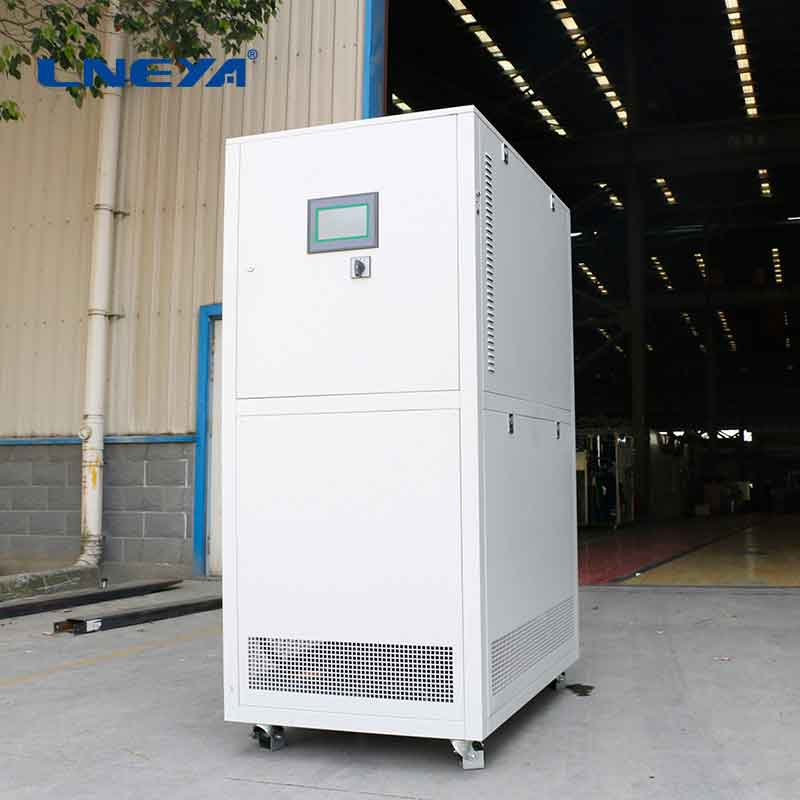
Key Features of Small Lab Chillers
Compact Size: Small lab chillers have a small footprint, making them suitable for space-constrained environments.
Precision Temperature Control: They can maintain temperatures with high accuracy, often within a fraction of a degree.
Portability: Many models are lightweight and equipped with wheels for easy movement between different lab stations.
Applications of Small Lab Chillers
Small lab chillers serve a variety of applications, such as:
Chemical Reactions: Cooling reactions to specific temperatures for controlled outcomes.
Sample Preservation: Maintaining the integrity of temperature-sensitive samples.
Scientific Experiments: Providing stable temperature conditions for experimental procedures.
Selecting the Right Small Lab Chiller
When choosing a small lab chiller, consider the following factors:
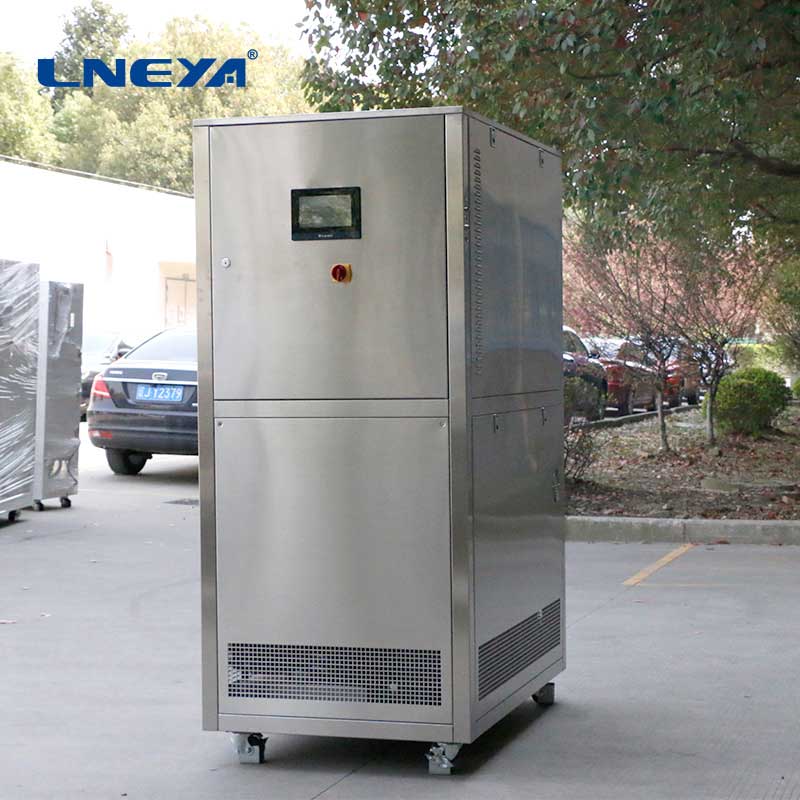
Cooling Capacity: Ensure the chiller can meet the cooling demands of your application.
Temperature Range: Verify the chiller’s ability to reach the low temperatures required for your processes.
Fluid Compatibility: Confirm that the chiller is compatible with the coolant or medium used in your lab.
Maintenance and Safety
Proper maintenance of small lab chillers is essential for their longevity and performance. This includes regular cleaning of the chiller and its components, checking for leaks, and ensuring the coolant is free from contaminants. Safety should be a priority; always follow the manufacturer’s guidelines for operation and maintenance.
Environmental Considerations
Small lab chillers can contribute to a lab’s green initiatives by efficiently managing energy consumption and using environmentally friendly coolants.
Conclusion
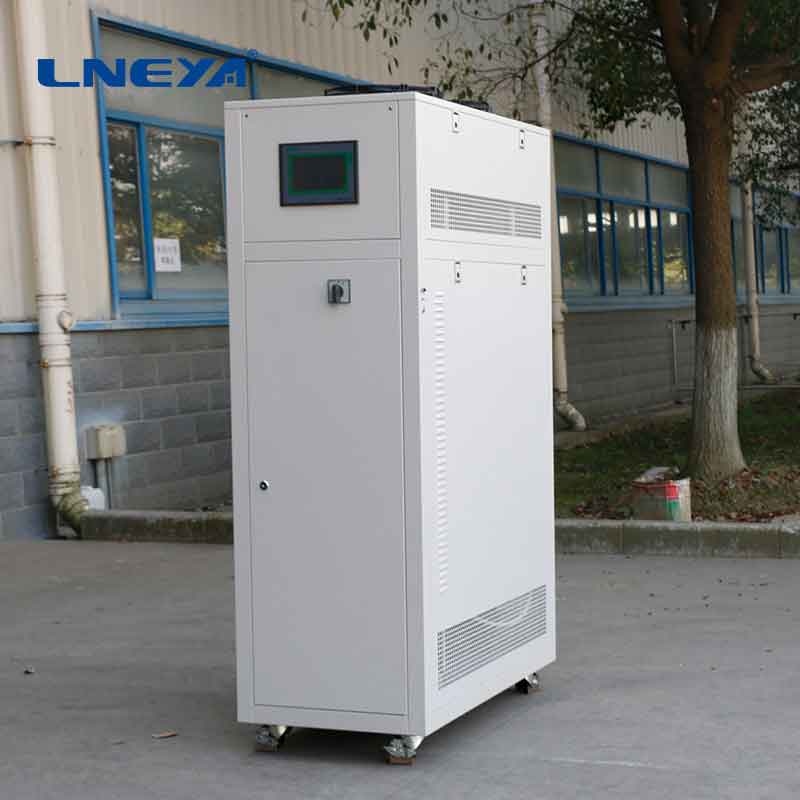
Small lab chillers offer a practical and efficient cooling solution for a variety of laboratory applications. By understanding their key features, applications, and the factors involved in their selection and maintenance, users can ensure optimal performance and reliability in their lab’s temperature control needs.
This article provides a comprehensive guide to small lab chillers, discussing their features, applications, and the considerations for their selection and maintenance. It emphasizes the importance of choosing the right chiller for specific laboratory requirements and highlights the advancements in cooling technology that have made these systems more accessible and efficient for scientific research and analysis.
This content is copyrighted by LNEYA. If there is any infringement, please contact email: Lilia@lneya.com
The prev: recirculating water chiller systemThe next: temperature control machine
Related recommendations

industrial process water chillers
456Industrial Process Water Chillers: A Comprehensive Overview Industrial process water chillers are critical components in a wide array of industrial applications, offering precise temperature co...
View detailsindustrial heating manufacturers
451What Are Industrial Heating Manufacturers?Industrial heating manufacturers are companies that design, produce, and supply heating equipment for industrial applications. These manufacturers develop...
View detailsair cooling unit uk
754Air Cooling Units in the UK: Types, Applications, Maintenance, and Environmental Impact The United Kingdom experiences a temperate climate with warm summers, making air cooling units a popular ...
View detailsHow to prevent moisture in the process chillers?
1211How to prevent moisture in the process chillers? 1. Equipment installation location selection When selecting the location for installing process coolers, it is important to avoid...
View details




HelloPlease log in