 LNEYA Chiller

electric heaters for liquid
Electric Heaters for Liquids: A Comprehensive Guide
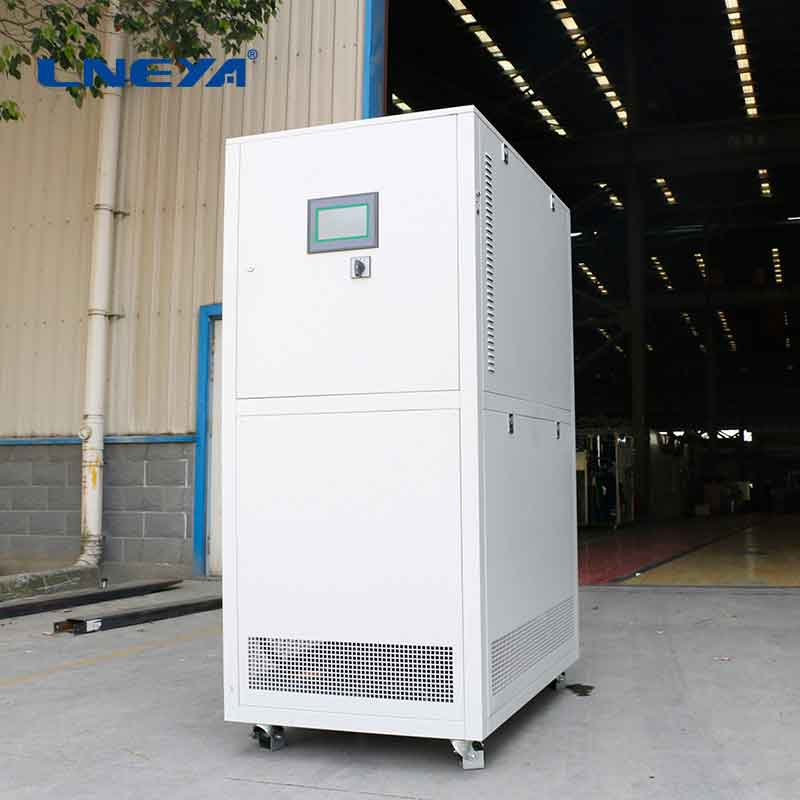
Electric heaters for liquids play a crucial role in a wide array of industries, from chemical processing to food and beverage production. They are designed to provide efficient and precise temperature control, ensuring the reliability and consistency of processes that depend on maintaining specific liquid temperatures. This article delves into the various types of electric heaters for liquids, their applications, and the factors that should be considered when selecting the right heater for a particular application.
Types of Electric Heaters for Liquids
Immersion Heaters: These heaters are directly submerged in the liquid and transfer heat through direct contact. They are available in various designs, including sheathed, flanged, and screw plug heaters, and are suitable for a wide range of liquids.
Circulation Heaters: Instead of direct immersion, circulation heaters heat the liquid as it passes through the heater. They are often used in closed-loop systems where the liquid is continuously circulated.
Heat Exchangers: These devices transfer heat from one fluid to another without direct contact. Electric heat exchangers can be used for heating or cooling liquids and are ideal for applications where the liquid cannot be directly heated.
Applications of Electric Heaters for Liquids
Chemical Processing: In the chemical industry, electric heaters are used to maintain precise temperatures for reactions, ensuring product quality and safety.
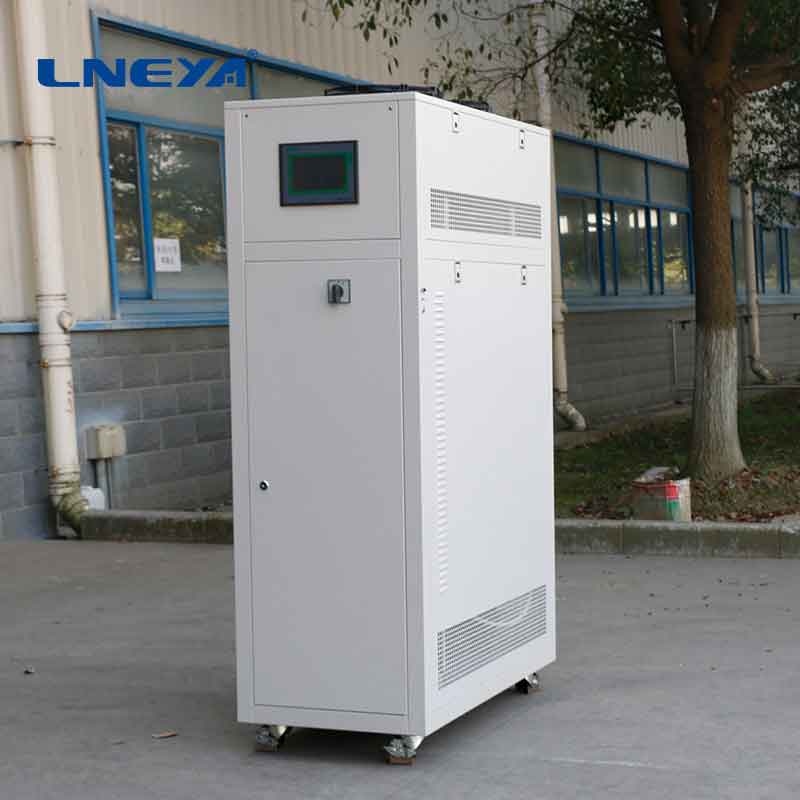
Food and Beverage: Electric heaters are essential for pasteurization, sterilization, and temperature control in brewing and distilling processes.
Pharmaceuticals: Temperature control is critical in the manufacturing of medications, and electric heaters ensure consistent conditions for sensitive pharmaceutical products.
Plastics and Rubber: In the production of plastics and rubber, heaters are used to maintain the melt temperature for extrusion and molding processes.
Key Considerations for Selecting Electric Heaters for Liquids
Liquid Properties: The type of liquid, its specific heat capacity, and viscosity will influence the choice of heater and the heat transfer efficiency.
Heat Transfer Requirements: The required heat output, temperature range, and response time are critical factors in selecting the appropriate heater.
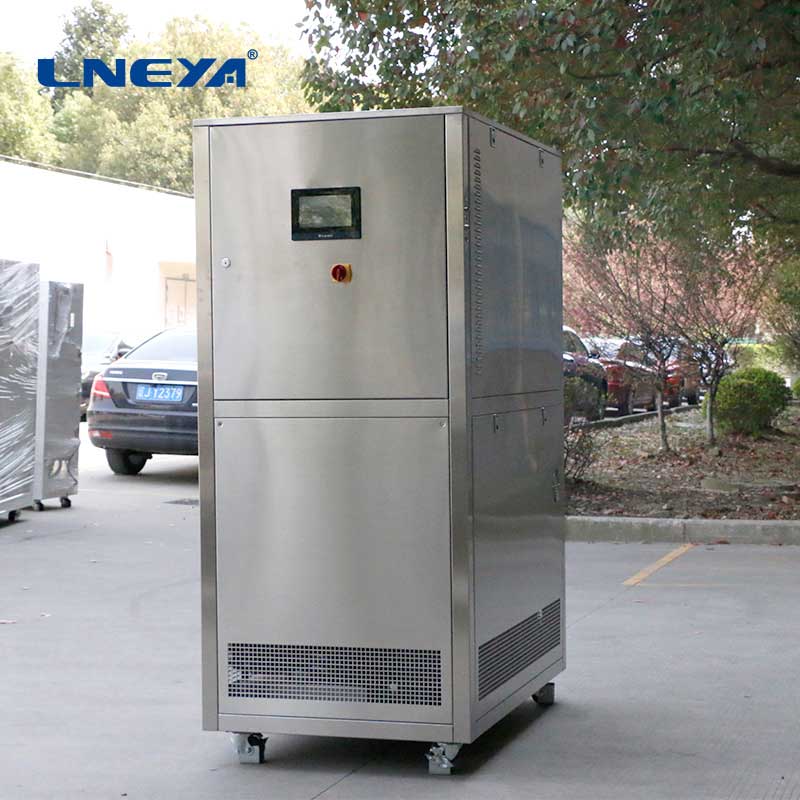
Safety: Electric heaters must be designed to prevent overheating and ensure safe operation, especially in hazardous environments.
Energy Efficiency: Efficient heaters will minimize energy consumption, reducing operational costs and environmental impact.
Maintenance: The ease of maintenance and the availability of replacement parts are important considerations for long-term operation.
Conclusion
Electric heaters for liquids are indispensable in many industrial processes, providing reliable and precise temperature control. When selecting an electric heater for a liquid, it is essential to consider the type of liquid, the heat transfer requirements, safety, energy efficiency, and maintenance needs. By understanding the different types of heaters and their applications, engineers and operators can ensure the optimal performance of their processes and maintain the quality and consistency of their products.
This content is copyrighted by LNEYA. If there is any infringement, please contact email: Lilia@lneya.com
The prev: industrial chiller machineThe next: industrial process electric heaters
Related recommendations

Advantages of Refrigeration Heating Systems
1406Advantages of Refrigeration Heating Systems The main function of the refrigeration heating system is to control the temperature by heating and cooling, and maintain the temperature stability...
View detailsrefrigeration chillers
324Refrigeration Chillers: A Comprehensive Guide Introduction Refrigeration chillers are integral mechanical systems designed to extract heat from a substance or space and transfer it elsewhe...
View detailsHeating and Cooling Equipment for Fermenters
1354Heating and Cooling Equipment for Fermenters The fermentation tank needs to be controlled by a refrigeration and heating temperature control system during operation. The high and low tempera...
View detailssistem water cooled chiller
851Industrial Process Water Chillers: Efficient Cooling for Industry Industrial process water chillers are an essential component in many manufacturing and industrial processes where precise tempe...
View details




HelloPlease log in