 LNEYA Chiller

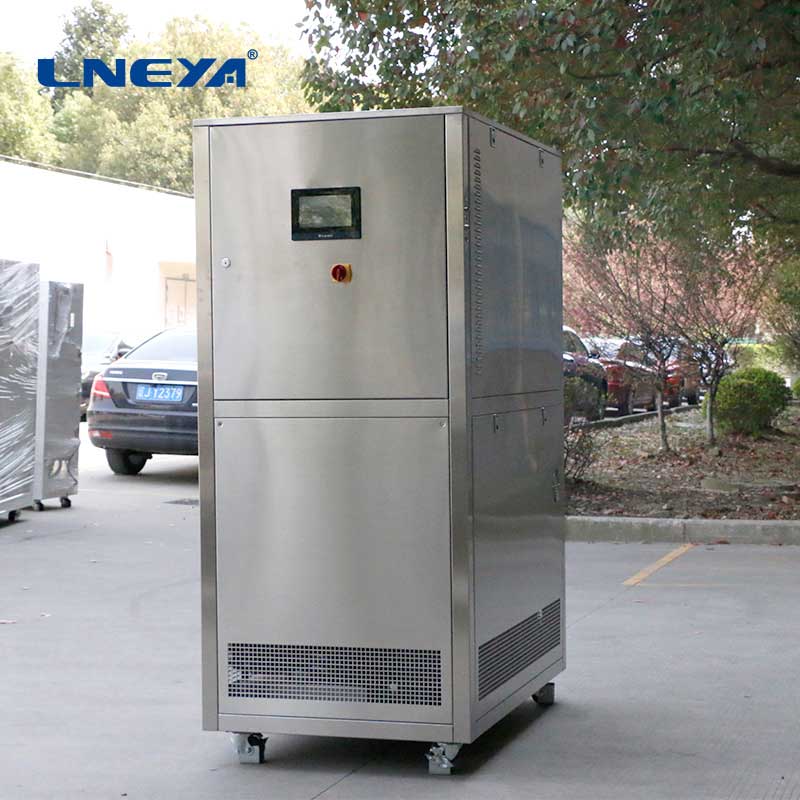
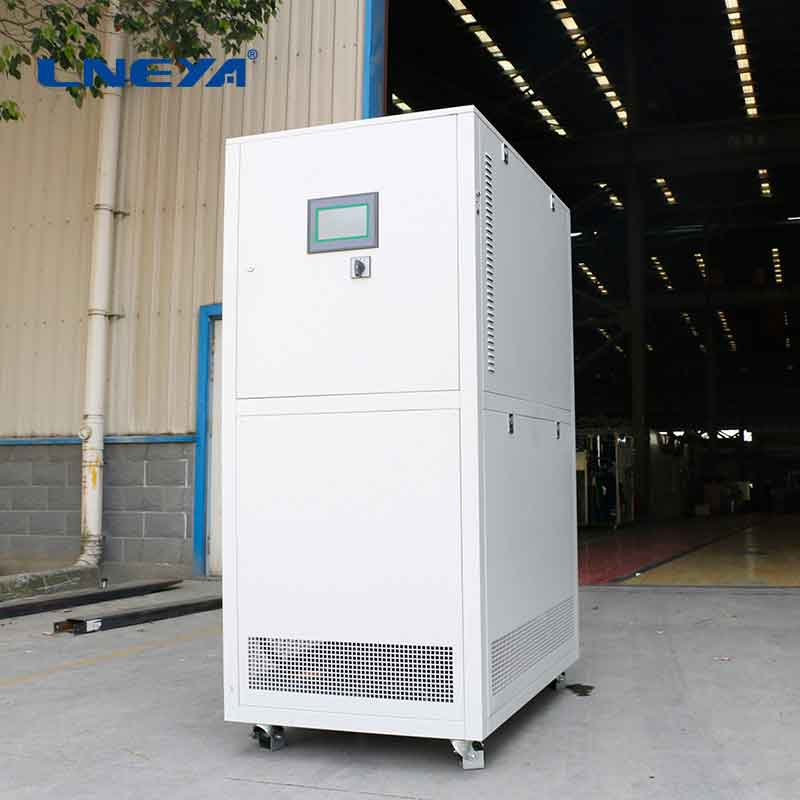
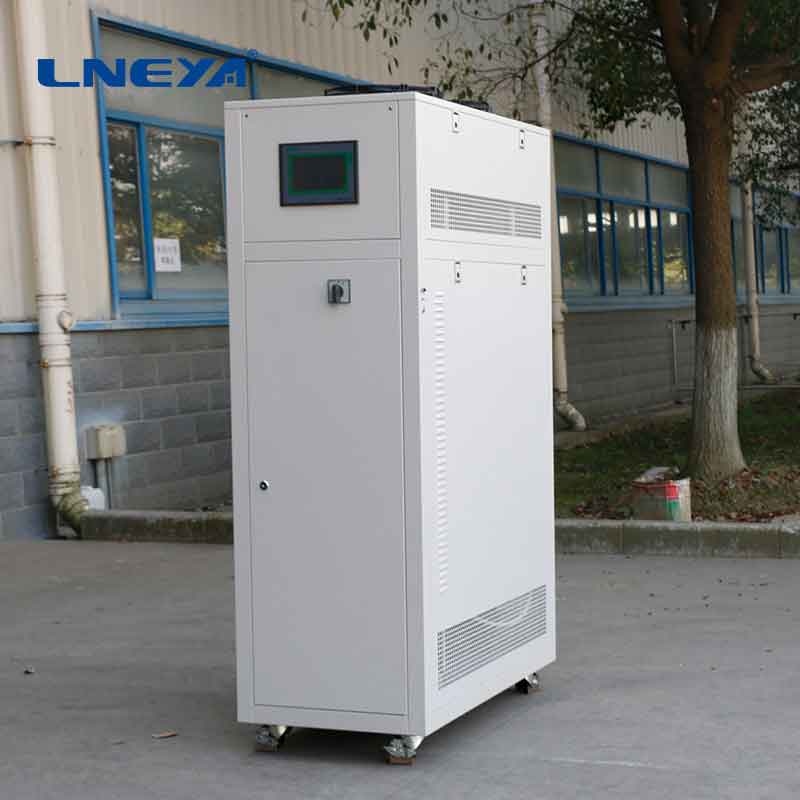
200 ton air cooled chiller
200 Ton Air-Cooled Chiller Efficiency: A Comprehensive Analysis
Introduction
Air-cooled chillers are widely used for their ability to provide efficient cooling in various applications, including commercial buildings, industrial processes, and data centers. A 200-ton air-cooled chiller is a significant piece of equipment that requires careful consideration of efficiency to ensure optimal performance and minimal energy consumption.
Understanding Chiller Efficiency
The efficiency of a 200-ton air-cooled chiller is crucial for reducing operational costs and environmental impact. Efficiency is commonly measured in kW/Ton, which represents the power input in kW required to produce one ton of refrigeration. A lower kW/Ton value indicates higher efficiency. Other metrics include COP (Coefficient of Performance), which is the ratio of cooling output to power input, and EER (Energy Efficiency Ratio), which compares cooling capacity in BTUs to power input in Watts.
Factors Affecting Chiller Efficiency
Proper Sizing: An oversized chiller can lead to reduced efficiency due to frequent cycling, while an undersized chiller may not meet the cooling demand.
Regular Maintenance: Clean condenser coils and proper refrigerant charge levels are essential for maintaining efficiency.
Environmental Conditions: High ambient temperatures can negatively impact the performance of air-cooled chillers.
System Design: The integration of variable frequency drives (VFDs) can improve efficiency by allowing the chiller to operate at variable speeds according to the load demand.
Calculating Chiller Efficiency
The efficiency of a 200-ton air-cooled chiller can be calculated using the following formulas:
kW/Ton: Chiller Efficiency (kW/Ton) = Power Consumption (kW) ÷ Chiller Capacity (tons)
COP: Coefficient of Performance (COP) = Cooling Output (kW) ÷ Power Input (kW)
EER: Energy Efficiency Ratio (EER) = Cooling Capacity (btu/hr) ÷ Power Input (W)
Strategies for Enhancing Chiller Efficiency
Optimize Chiller Sequencing: Proper sequencing of multiple chillers can enhance overall system efficiency.
Implement Variable Speed Drives (VFDs): VFDs can improve efficiency by modulating the speed of the chiller’s compressor and fans based on the load.
Regular Servicing and Maintenance: Keeping the chiller clean and well-maintained ensures maximum efficiency.
Use of Advanced Controls: Modern controls can predict load demands and adjust chiller operation accordingly.
Maintenance and Efficiency
Routine maintenance is crucial for maintaining chiller efficiency. This includes:
Cleaning: Regularly cleaning the condenser coils and air filters.
Inspection: Periodic inspections to detect and rectify potential issues.
Refrigerant Management: Ensuring the correct refrigerant level and type for optimal performance.
Conclusion
The efficiency of a 200-ton air-cooled chiller is a critical aspect of HVAC system performance. By understanding the factors that affect efficiency and implementing strategies to enhance it, facility managers can significantly reduce energy consumption and operational costs. Regular maintenance, proper sizing, and the use of advanced controls are key to achieving and maintaining high efficiency levels in air-cooled chiller systems.
This content is copyrighted by LNEYA. If there is any infringement, please contact email: Lilia@lneya.com
The prev: water chiller calculatorThe next: air cooled fluid cooler
Related recommendations

Application Industries and Fields of Chillers
1203Application Industries and Fields of Chillers Cold water machine can be used for vacuum equipment. Such cold water machines also meet the needs of high -quality vacuum equipment, such as mol...
View detailsportable water chiller
307Types of Portable Water Chillers and Their Working PrinciplesAir - Cooled Portable Water Chillers Working Principle: Air - cooled portable water chillers utilize air as the medium for hea...
View detailsportable industrial chiller units
500Introduction to Portable Industrial Chiller Units Portable industrial chiller units are compact, self-contained systems that provide precise temperature control for a wide range of industrial a...
View detailsbenchtop temperature chamber
730Understanding Benchtop Temperature Chambers Benchtop temperature chambers are essential tools in the field of environmental testing. They are designed to simulate various temperature conditions...
View details




HelloPlease log in