 LNEYA Chiller

propylene glycol chiller
Understanding Propylene Glycol Chillers
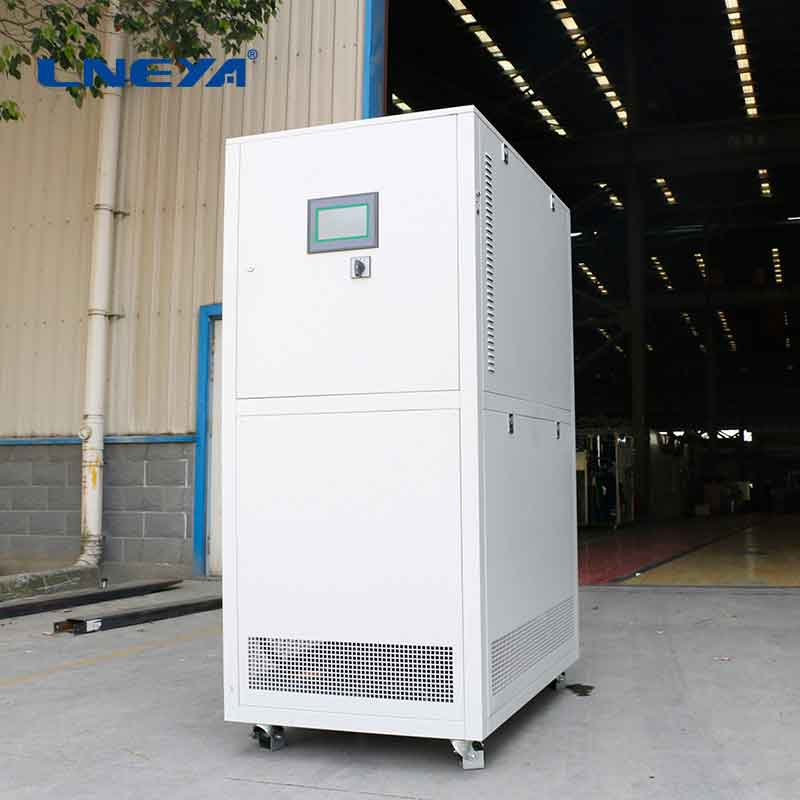
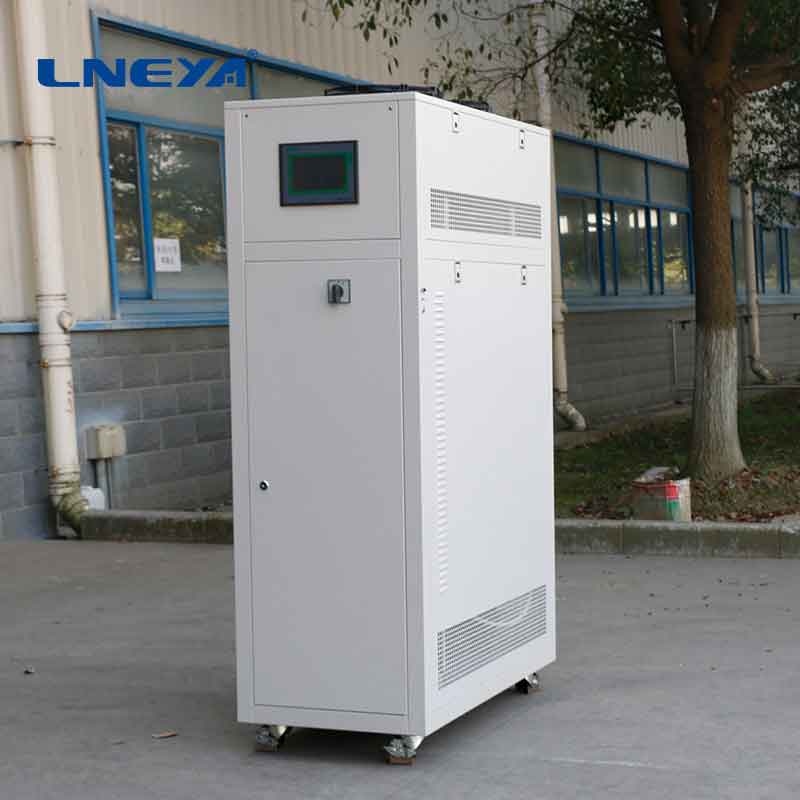
Propylene glycol chillers are a type of industrial process chiller that uses a mixture of propylene glycol and water as a coolant. This mixture is circulated through the chiller system, absorbing heat from the process and maintaining the desired temperature. Propylene glycol is particularly effective for freeze protection, making it a reliable solution for chiller systems that need to operate in colder environments.
How Propylene Glycol Works in Chiller Systems
In a chiller system, propylene glycol serves as a heat transfer medium. It circulates through the system, absorbing heat from the components and releasing it into the atmosphere. The fluid’s antifreeze properties ensure the system doesn’t freeze in low temperatures, which is critical for maintaining continuous and reliable operation, especially in environments where ambient temperatures drop significantly.
Advantages of Propylene Glycol Chillers
There are several key benefits to using propylene glycol in chiller systems:
Freeze Protection: Propylene glycol’s ability to lower the freezing point of the coolant ensures that the fluid keeps moving through the system without the risk of ice formation, which can cause severe damage to the chiller.
Corrosion Inhibition: Propylene glycol chiller fluid is typically blended with corrosion inhibitors that protect metal components such as heat exchangers and piping, extending the life of the equipment.
Non-Toxic and Safe: Unlike ethylene glycol, which is highly toxic, propylene glycol is safe for use in food and beverage processing environments. It’s non-toxic, making it the preferred choice in industries where contamination could pose a health risk.
Efficiency and Considerations
The efficiency of propylene glycol chillers can be influenced by the concentration of glycol in the mixture. As the concentration of glycol increases, the heat transfer between the chiller’s evaporator and the coolant slows, since glycol is less conductive to heat transfer than water. This can result in a loss of cooling capacity, with higher concentrations leading to a more significant reduction in efficiency.
It’s also important to consider the environmental impact and safety of the glycol used. Propylene glycol has a very low environmental impact, making it a clear winner over ethylene glycol, which is considered a toxic material in many states and comes with increased operating costs due to special handling, disposal, and spillage precautions.
Applications of Propylene Glycol Chillers
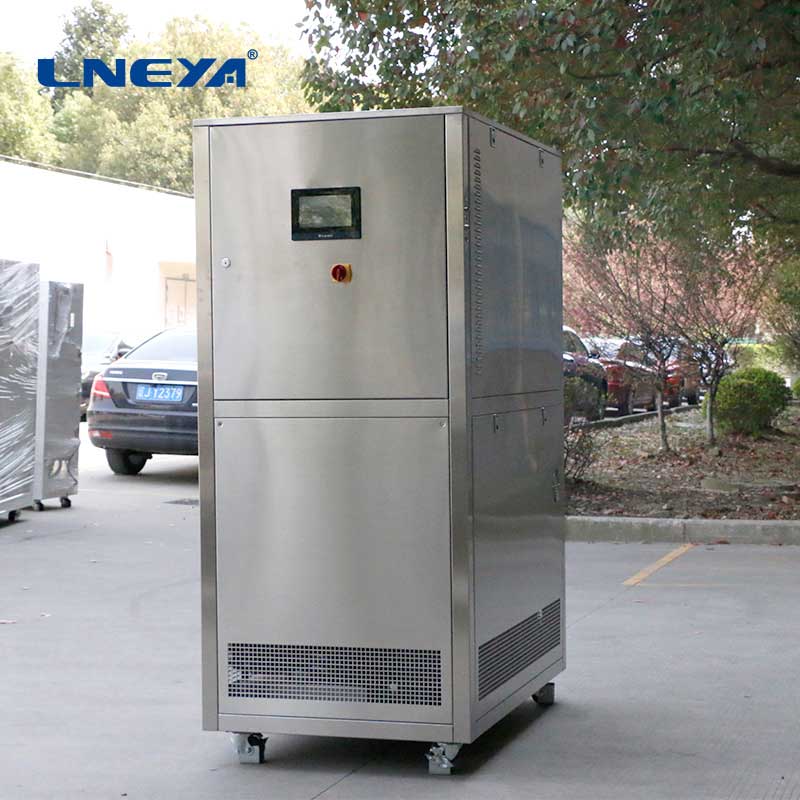
Propylene glycol chillers are used in a variety of industries where precise temperature control is required. They are particularly suitable for low-temperature applications such as food processing facilities, aerospace applications, and ice rinks. The antifreeze properties of propylene glycol ensure consistent and reliable performance in these environments.
Conclusion
Propylene glycol chillers offer a reliable and efficient cooling solution for a variety of industrial applications. Their ability to provide freeze protection, corrosion inhibition, and safe operation in food and beverage processing environments makes them a preferred choice in many industries. With proper maintenance, including regular testing of glycol concentration and monitoring of corrosion inhibitors, propylene glycol chillers can provide consistent cooling performance and extend the life of industrial equipment.
This content is copyrighted by LNEYA. If there is any infringement, please contact email: Lilia@lneya.com
The prev: water cooling solutionThe next: oil cooler industrial
Related recommendations

How to deal with the water pump of a 2 ton water chiller not running?
968How to deal with the water pump of a 2 ton water chiller not running? 1、 The reason why the water pump in the 2-ton chiller cannot discharge water: 1. The mechanical failure of ...
View detailsevaporator of chiller
521Definition and Function of Evaporator in Chiller Systems The evaporator is a vital part of a chiller system, where the heat absorption process occurs. It is positioned on the low-pressure side ...
View detailsWhat should I do if the cooling water of a refrigerated chiller is not circulating?
1281What should I do if the cooling water of a refrigerated chiller is not circulating? Possible reasons for non circulation of cold water in a freezer: 1. The water level in the wat...
View detailsair cooled water chiller system
542Air-Cooled Water Chiller Systems: Efficient Cooling for Diverse Applications Air-cooled water chiller systems are an essential component in the HVAC industry, providing efficient cooling for a ...
View details




HelloPlease log in