 LNEYA Chiller

coil heat transfer
Introduction to Coil Heat Transfer
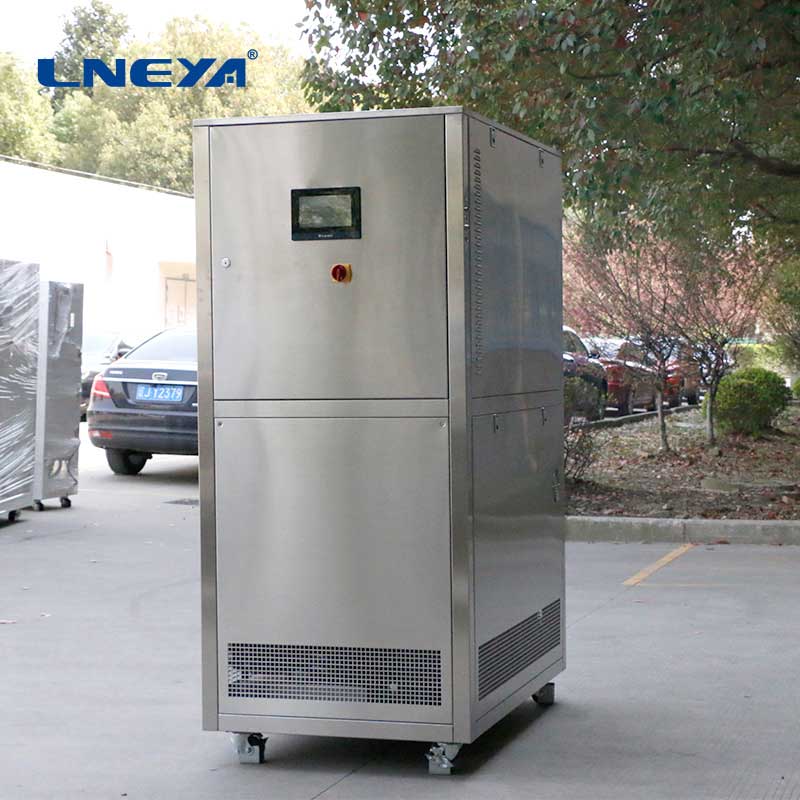
Coil heat transfer is a fundamental process in heat exchangers, which are essential components in HVAC systems, industrial processes, and power generation. Coils, whether in the form of tubes or fins, facilitate the transfer of heat from one medium to another, playing a vital role in maintaining optimal operating temperatures and enhancing energy efficiency.
Principles of Coil Heat Transfer
The heat transfer process in coils involves three primary operations: convective heat transfer from the fluid to the inner wall of the tube, conductive heat transfer through the tube wall, and convective heat transfer from the outer tube wall to the outside fluid. The efficiency of this process is influenced by various factors, including the type of fluid, flow rates, temperature differentials, and the physical characteristics of the coil.
Efficiency and Numerical Simulations
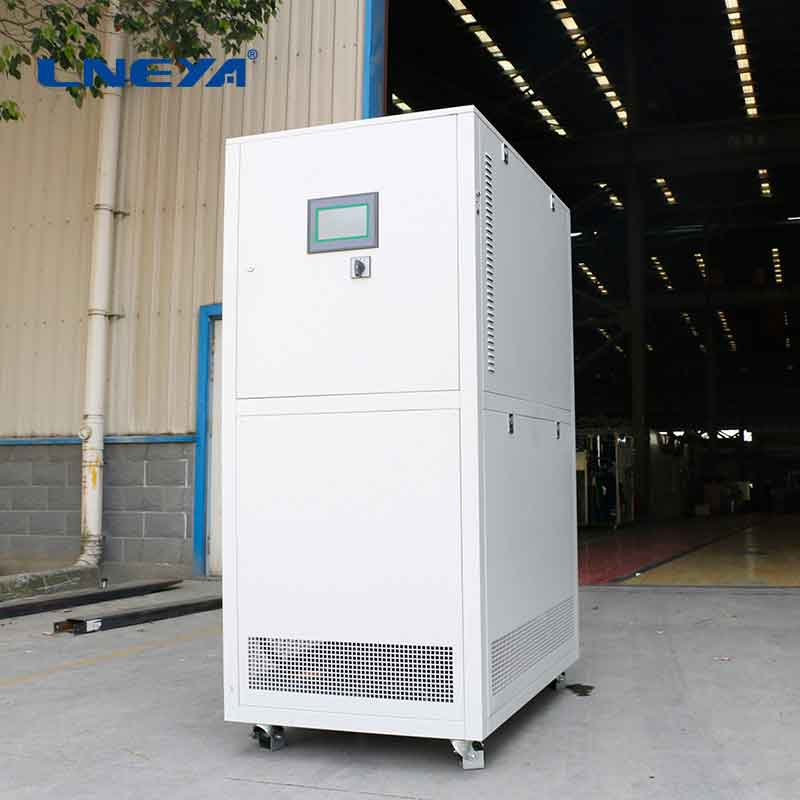
The geometric parameters of coiled tubes, such as the equivalent inner diameter, coil diameter, coiled height, twist angle, inclination angle, apex angle, and pitch ratio, significantly affect their heat transfer performance. Numerical simulations are conducted to optimize these parameters, with studies showing that changing the inclination angle of the SCT (streamline coiled tube) influences the centrifugal forces experienced by the fluid inside the tube, thereby affecting heat transfer characteristics.
Environmental Considerations
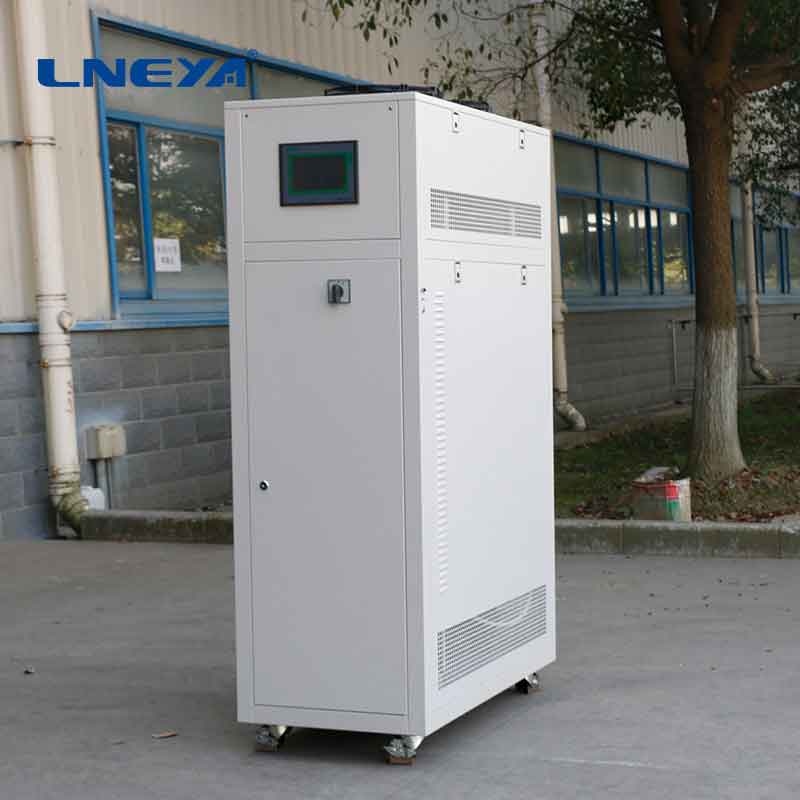
Environmental considerations are also crucial in coil heat transfer systems, particularly in chillers that use eco-friendly refrigerants to prevent ozone depletion and reduce environmental impact. Chillers for laser cutting machines, for example, utilize coil heat transfer to maintain the optimal temperature of laser equipment, ensuring precision and performance while minimizing environmental harm.
Conclusion
Coil heat transfer is a complex and multifaceted process that is essential for a wide range of applications. Understanding the principles, applications, and efficiency of coil heat transfer is crucial for designing and optimizing systems that rely on effective heat exchange. From the geometric optimization of coiled tubes to the selection of environmentally friendly refrigerants, advancements in coil heat transfer technology continue to drive improvements in energy efficiency and environmental sustainability.
This content is copyrighted by LNEYA. If there is any infringement, please contact email: Lilia@lneya.com
The prev: chiller for laser cutting machineThe next: benchtop temperature chamber
Related recommendations

mini water chiller price
822Mini Water Chiller Price: Factors and Market Overview When considering the purchase of a mini water chiller, one of the primary factors is the price. The cost of these chillers can range widely...
View detailschiller equipment
404Chiller equipment serves as the backbone of modern cooling systems, playing a pivotal role in maintaining optimal temperatures across a wide range of environments. Whether it's ensuring comfort in...
View detailsconstant temp water bath
651Introduction to Constant Temperature Water BathA constant temperature water bath, also known as a thermostatic water bath, is a crucial piece of laboratory equipment used to provide a stable tempe...
View detailsair cooled and water cooled
808Introduction to Air-Cooled and Water-Cooled Chillers Chillers are essential in various industrial and commercial facilities for providing cooling to processes, equipment, and spaces. When selec...
View details




HelloPlease log in