 LNEYA Chiller

air cooled and water cooled chiller
Understanding Air-Cooled and Water-Cooled Chillers
Chillers are essential for maintaining optimal temperatures in industrial and commercial settings. They come in various types, with air-cooled and water-cooled chillers being the most common. Each type has its own set of advantages and disadvantages, making them suitable for different applications.
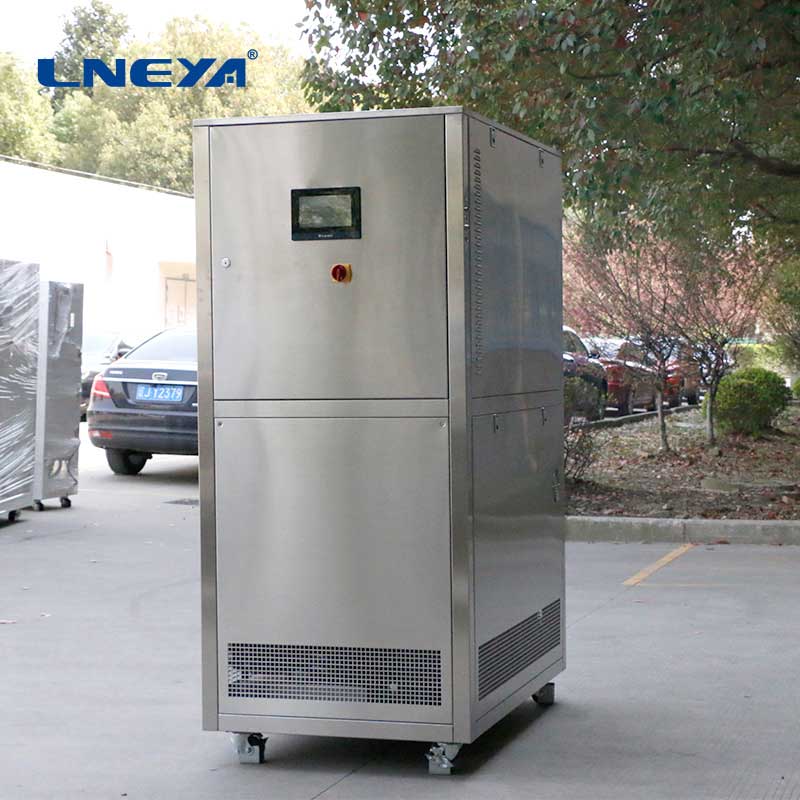
Air-Cooled Chillers
Air-cooled chillers are designed to dissipate heat through the use of fans and air. They are compact, easy to install, and require less space compared to water-cooled chillers. Here are some of their key features:
Pros:
Lower Installation Cost: Air-cooled chillers have fewer components, which means lower installation costs.
Space Efficiency: They can be installed on rooftops or outdoors, freeing up valuable indoor space.
Simplicity: They have a simpler design, which often translates to lower maintenance requirements.
Cons:
Noise: The fans and compressors can create noise, which may be a concern for some environments.
Service Life: They are exposed to the elements, which can lead to a shorter service life compared to water-cooled chillers.
Efficiency: They may not be as efficient as water-cooled chillers, especially in hot climates or for large cooling loads.
Water-Cooled Chillers
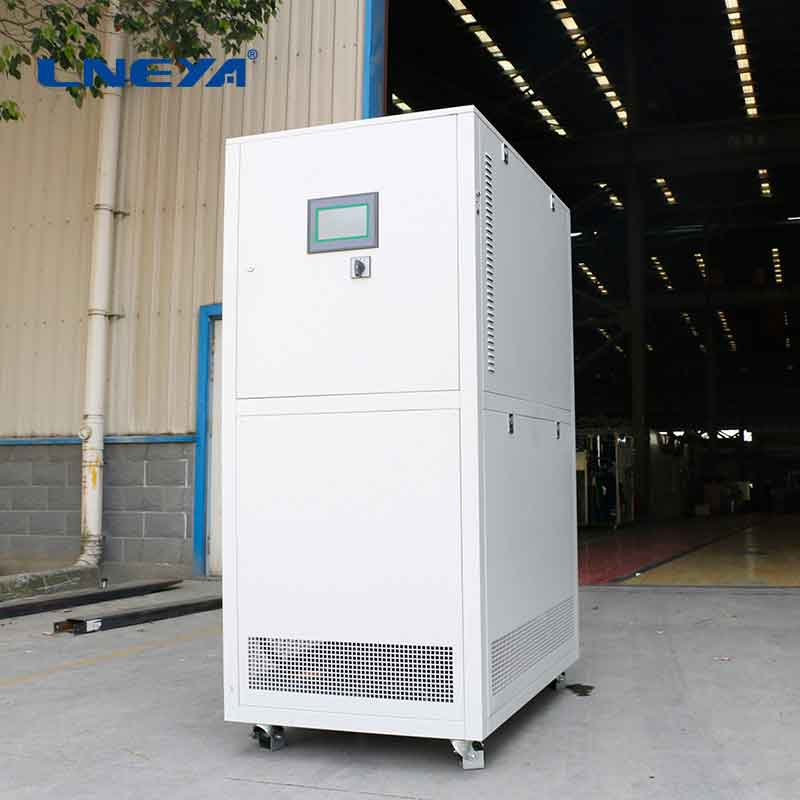
Water-cooled chillers use water from a cooling tower to dissipate heat. They are more efficient for large cooling loads and can handle more significant loads per unit of floor space. Here are some of their key features:
Pros:
Efficiency: Water has a higher heat capacity than air, making water-cooled chillers more efficient, especially for large loads.
Longer Lifespan: Being protected from the elements, water-cooled chillers generally last longer than air-cooled chillers.
Quiet Operation: Since they are typically installed indoors, they operate quietly without disturbing the surroundings.
Cons:
Installation Space: They require more space within the building for mechanical plant rooms, pumps, and cooling towers.
Maintenance: They have more components, which can lead to higher maintenance costs.
Water Supply: They require a constant supply of clean water, which may not be feasible in all locations.
Applications
Both air-cooled and water-cooled chillers have a wide range of applications, including:
Industrial Processes: For cooling in manufacturing processes such as plastic injection molding, laser cutting, and chemical processing.
Air Conditioning: In large commercial buildings, where they provide cooling for comfortable indoor environments.
Data Centers: To maintain optimal temperatures for server rooms and IT equipment.
Efficiency and Maintenance
Efficiency is a critical factor when choosing between air-cooled and water-cooled chillers. Water-cooled chillers are generally more efficient, especially for large loads, due to the higher heat capacity of water. However, air-cooled chillers can be more energy-efficient in certain conditions, such as when the outdoor air temperature is low.
Maintenance is also an important consideration. Air-cooled chillers require less maintenance due to their simpler design, but water-cooled chillers may need more frequent attention due to their more complex systems and the potential for water-related issues like corrosion and scaling.
Industry Standards and Best Practices
When selecting a chiller system, it’s essential to consider industry standards and best practices. Chillers should be chosen based on their energy efficiency, reliability, and environmental impact. Maintenance practices should follow guidelines to ensure the longevity and safety of the chiller system.
Conclusion
The choice between air-cooled and water-cooled chillers depends on various factors, including the available space, water supply, noise considerations, and the required cooling load. Both types of chillers offer reliable cooling solutions for a wide range of applications. By understanding their pros and cons, you can make an informed decision that best suits your specific needs.
This content is copyrighted by LNEYA. If there is any infringement, please contact email: Lilia@lneya.com
The prev: portable heating systemThe next: chiller maintenance company
Related recommendations

pro chiller glycol
232Pro Chiller Glycol: A Comprehensive GuideIn the realm of industrial cooling solutions, pro chiller glycol systems have emerged as reliable and efficient options for a wide range of applications. ...
View details30 ton air cooled chiller
318What is a 30 Ton Air Cooled Chiller? A 30-ton air-cooled chiller is a refrigeration system capable of removing 360,000 BTU of heat per hour. Unlike water-cooled chillers, it uses ambient air to...
View detailsHow to Maintain the Low Temperature Refrigeration System Chiller?
1248How to Maintain the Low Temperature Refrigeration System Chiller? When installing the chiller, it is necessary to ensure that the power socket is in good contact and is reliably grounded.It...
View details1200 ton chiller
2181200 Ton Chiller: A Comprehensive OverviewIn the realm of industrial and commercial cooling, the 1200 ton chiller stands as a formidable and highly specialized piece of equipment. Its substantial...
View details



HelloPlease log in