 LNEYA Chiller

water baths laboratory
Water Baths Laboratory: Types, Applications, and Working Principles
Introduction to Water Baths Laboratory
Water baths are essential laboratory equipment used to maintain samples at a controlled temperature in a water-filled chamber. They are versatile devices that provide uniform heating and precise temperature control, making them ideal for environments where open flames are not suitable, especially with flammable materials.
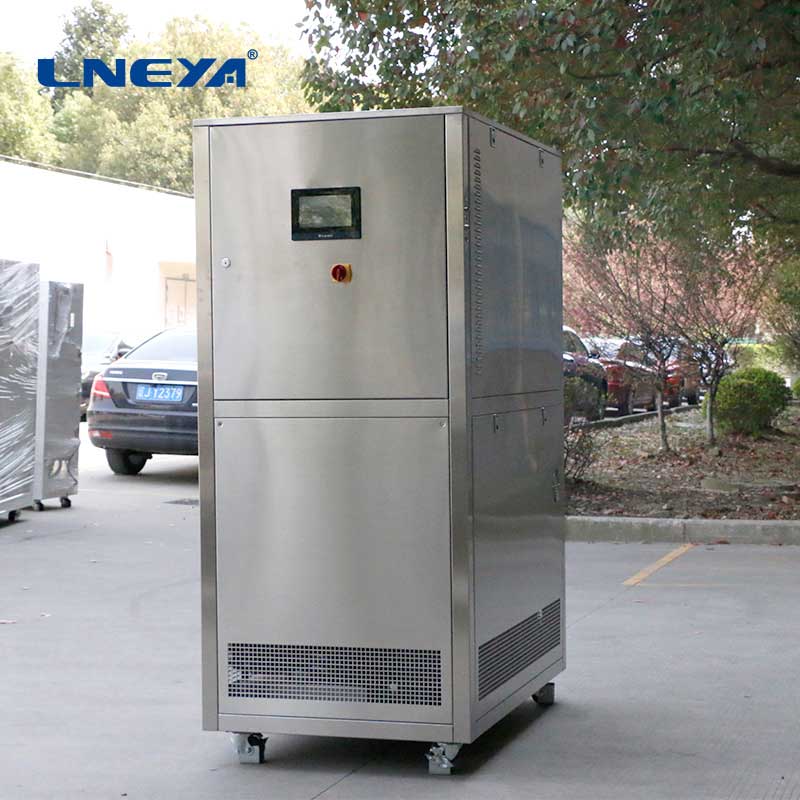
Types of Water Baths
There are several types of water baths, each serving specific needs:
Shaking Water Bath: Equipped with a shaking mechanism to agitate samples while maintaining a constant temperature. Used in microbiology, material analysis, and molecular biology for enhanced mixing and temperature control.
Circulating Water Bath: Features a pump to circulate water for uniform temperature distribution. Ideal for large sample volumes, especially in enzymatic and bacterial incubations.
Non-Circulating Water Bath: Relies on natural convection, less precise in temperature control but suitable for smaller samples or simpler experiments.
Polycarbonate Water Bath: Lightweight and chemically resistant water baths made from durable polycarbonate plastic, commonly used for incubating samples requiring chemical exposure.
Immersion Water Bath: Simpler design where samples are immersed in water for gentle heating. Used for small sample volumes and is cost-effective.

Applications of Water Baths
Water baths are used in a variety of applications, including:
Temperature Control: Providing a stable environment for experiments requiring precise temperature control, crucial in fields like chemistry and biology.
Sample Incubation: Used to incubate samples at specific temperatures, which is essential in fields like microbiology and biochemistry.
Molecular Biology Applications: Commonly used for applications such as DNA melting, enzyme reactions, and other sensitive procedures where maintaining precise thermal conditions is critical.
Working Principles of Water Baths
The working principle of a water bath involves a sensor converting water temperature into resistance, which is then amplified to regulate the heating element, keeping the water at a constant temperature. This precise control is ideal for high-temperature heating without open flames.

Efficiency and Safety
Water baths offer several advantages over other heating methods, including even heating and the ability to maintain constant temperatures, which is essential for processes like enzyme reactions that are highly temperature-sensitive. Safety is also a key consideration, with features such as over-temperature protection and durable construction to ensure reliability.
Conclusion
Water baths are indispensable in scientific research and industrial processes, providing precise temperature control and uniform heating. Understanding the different types, their applications, and working principles is crucial for selecting the most suitable water bath for a given application. As technology advances, water baths continue to evolve, offering improved efficiency, accuracy, and safety features to support a wide range of laboratory needs.
This content is copyrighted by LNEYA. If there is any infringement, please contact email: Lilia@lneya.com
The prev: chiller typeThe next: fluid coolers
Related recommendations

coil heaters
395Coil Heaters: A Comprehensive GuideCoil heaters are versatile heating devices widely used in numerous industrial, commercial, and even some residential applications. These heaters are designed to...
View detailsindustrial glycol chiller system
829Industrial Glycol Chiller Systems: Advanced Cooling for Diverse Applications Industrial glycol chiller systems are engineered to provide precise and reliable temperature control across a spectr...
View detailspro chillers
310Pro Chillers: A Comprehensive Guide Introduction Pro chillers, short for professional chillers, are sophisticated cooling systems designed to meet the demanding temperature control require...
View detailsHow to Choose a High Temperature Glass Circulating Oil Bath?
1151How to Choose a High Temperature Glass Circulating Oil Bath? The high-temperature glass circulating oil bath is suitable for the equipment connected to the reaction device of the refrigerati...
View details




HelloPlease log in