 LNEYA Chiller

water cooled chilled water system
Water-Cooled Chilled Water Systems: An In-Depth Analysis
Water-cooled chilled water systems are a type of HVAC system that circulates chilled water to cool and dehumidify spaces. These systems are prevalent in large commercial buildings due to their efficiency and scalability. This article delves into the intricacies of water-cooled chilled water systems, examining their benefits, components, temperature management, and strategies for optimal performance.
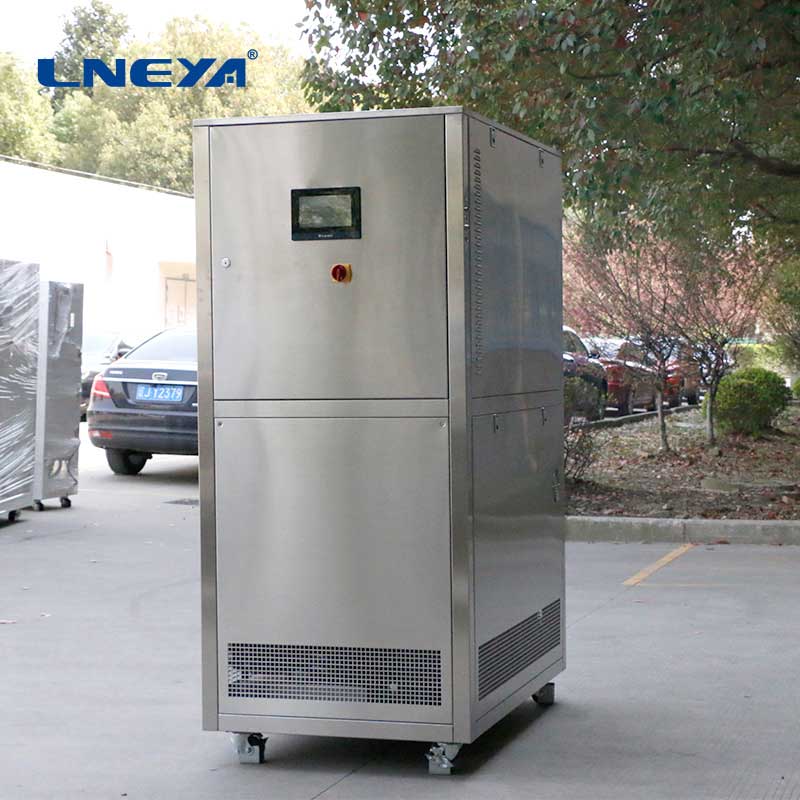
Benefits of Water-Cooled Chilled Water Systems
Water-cooled systems offer several advantages over air-cooled systems. They have lower energy costs and a smaller footprint, especially in larger systems. Condensing temperatures may be up to 35°F lower than in air-cooled equipment, due to the evaporative cooling process, which improves overall system efficiency and reduces energy consumption.
Components of Water-Cooled Chilled Water Systems
The primary components of a water-cooled chilled water system include the chiller, cooling tower, and pumps. The chiller produces chilled water, which is then circulated through the building to cool it. The cooling tower rejects the heat absorbed by the chiller to the atmosphere, and pumps ensure the continuous circulation of water.
Temperature Management in Water-Cooled Systems
Temperature management is crucial for the efficient operation of water-cooled systems. The standard temperature difference for chilled water systems is 5°C, with a supply temperature ranging from 7°C to 12°C. For cooling water, the standard temperature range is 30°C to 35°C, with a corresponding wet-bulb temperature of 28°C. These parameters are vital for assessing cooling tower efficiency and ensuring optimal heat transfer.
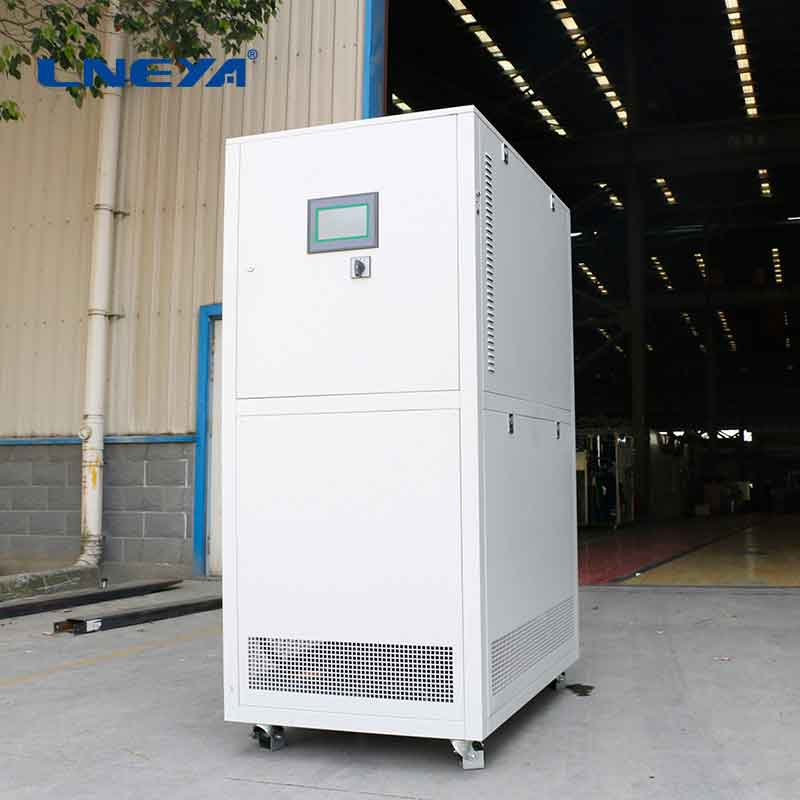
Approach Temperatures and System Performance
Approach temperatures, the difference between the leaving water temperature and the entering wet-bulb temperature, are critical performance metrics for cooling towers. A smaller approach indicates better thermal performance. The increase of condenser and evaporator approach temperatures could cause the system to operate at a lower performance, reducing the coefficient of performance (COP).
Energy-Saving Strategies
Water-cooled systems offer several energy-saving strategies, such as ‘free cooling,’ which uses the evaporative cooling of a cooling tower to produce chilled water without compression cooling. This method is suited for climates where the wet-bulb temperature is lower than 55°F for significant hours, making it an effective energy-saving method.
Maintenance and Optimization
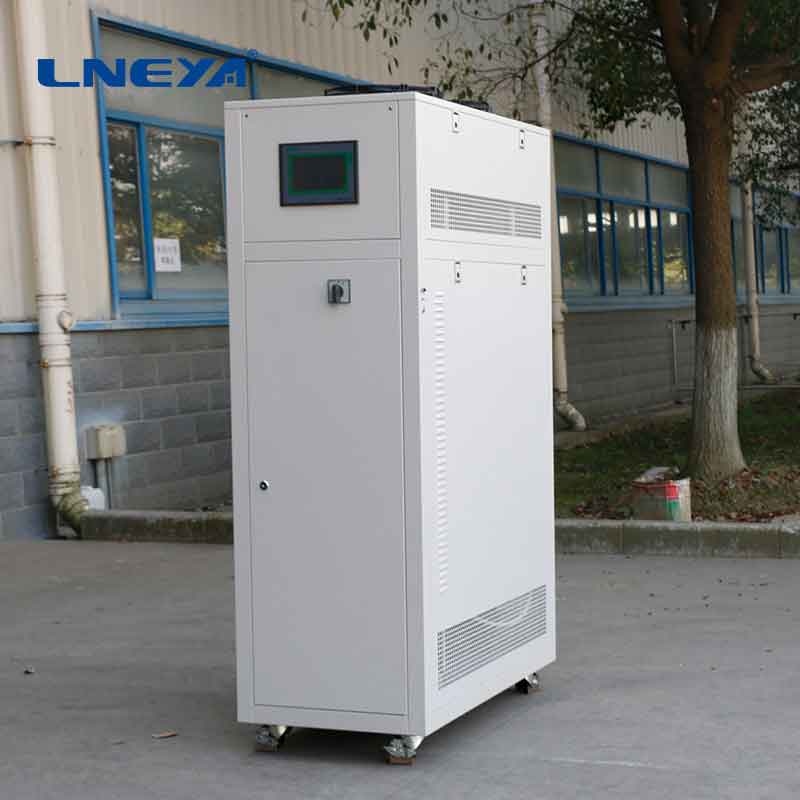
Regular maintenance is essential for the optimal performance of water-cooled chilled water systems. This includes monitoring water quality parameters and setting reasonable operating parameters for chilled and cooling water based on equipment characteristics and environmental conditions. Proper maintenance can prevent equipment damage, extend service life, and reduce operational costs.
Conclusion
Water-cooled chilled water systems are a complex yet efficient solution for large-scale cooling needs. By understanding their components, temperature management, and energy-saving strategies, building operators can optimize their systems for maximum efficiency and cost savings. The integration of modern control systems and regular maintenance further enhances the performance and reliability of these systems, making them a preferred choice in the HVAC industry.
This content is copyrighted by LNEYA. If there is any infringement, please contact email: Lilia@lneya.com
The prev: electric heater smallThe next: water cooler cooling system
Related recommendations

types of temperature controller
527Types of Temperature ControllersTemperature controllers are essential devices used in a wide range of applications, from industrial processes to home appliances and scientific research. They are ...
View detailschiller type
790Chiller Types: A Comprehensive Overview Chillers are critical components in HVAC systems, used to cool fluids for various applications. They can be categorized based on their cooling method and...
View detailsHow long is the process chillers used for maintenance?
1060How long is the process chillers used for maintenance? The maintenance time of the process cooler depends on its operating environment, process requirements, and manufacturer's recommen...
View detailsWhat should I do if the 200 ton chiller is powered on and doesn’t work?
1336What should I do if the 200 ton chiller is powered on and doesn't work? 1、 Troubleshooting power and fuse issues When the 200t water chiller suddenly stops, first check whether ...
View details




HelloPlease log in