 LNEYA Chiller

water cooler cooling system
Water Cooler Cooling Systems: An Overview
Water cooler cooling systems, more commonly known as water chillers, are essential in a variety of applications where temperature control is necessary. These systems are used to cool fluids, such as water or glycol, which are then circulated through heat exchangers to provide cooling where needed. This article provides a detailed look at the operation, benefits, and applications of water cooler cooling systems, as well as their impact on energy efficiency and the environment.
How Water Cooler Cooling Systems Work
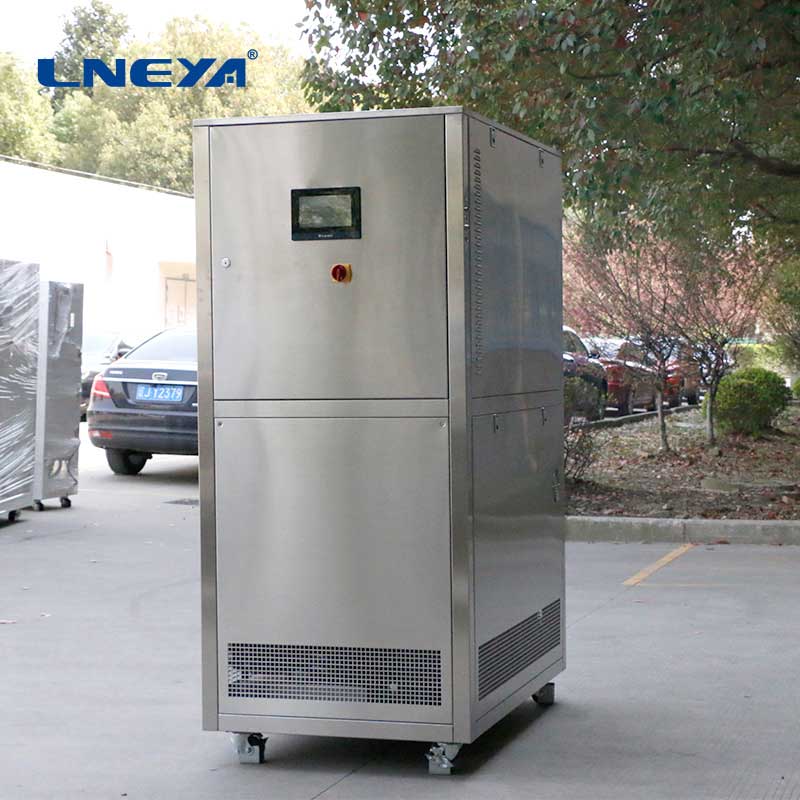
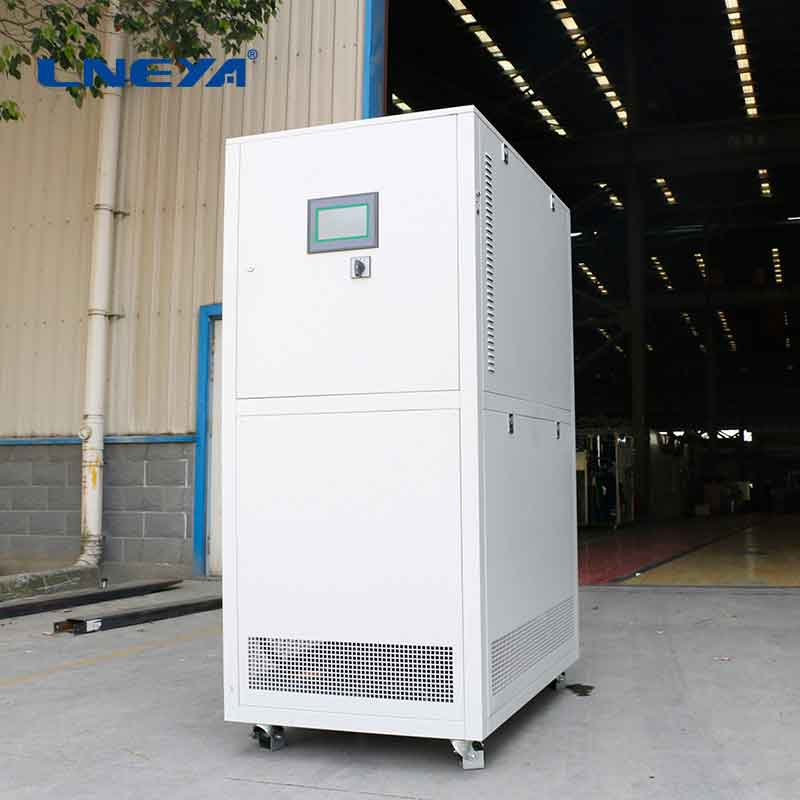
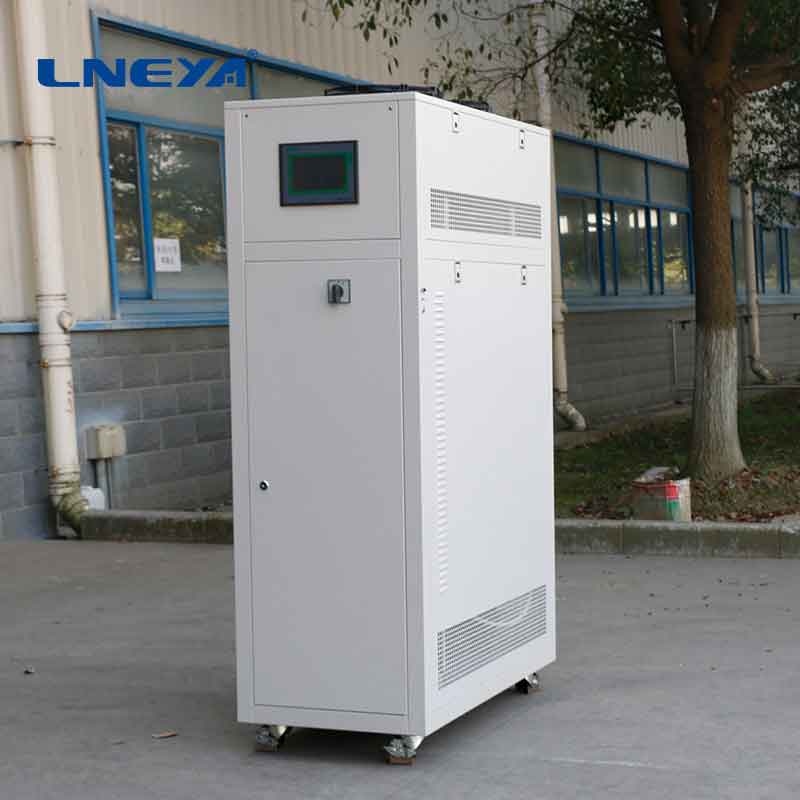
Water cooler cooling systems operate on the principle of heat transfer. The system typically consists of a chiller unit, a heat exchanger, a cooling tower, and a pump. The chiller unit contains a compressor that circulates a refrigerant, which absorbs heat from the fluid being cooled. This heat is then transferred to the cooling tower, where it is released into the atmosphere, and the refrigerant is cooled and recirculated.
Chiller Unit: The chiller unit is the heart of the system. It contains the compressor, condenser, and evaporator, which work together to cool the refrigerant and, in turn, the fluid being circulated.
Heat Exchanger: The heat exchanger is where the transfer of heat from the fluid to the refrigerant occurs. It can be a shell-and-tube, plate, or frame design, depending on the application and desired efficiency.
Cooling Tower: The cooling tower’s role is to dissipate the heat absorbed by the refrigerant into the atmosphere. It uses water as a medium to cool the refrigerant in the chiller unit.
Pump: The pump circulates the fluid through the system, ensuring that the heat exchanger and chiller unit are continuously supplied with fluid that needs cooling.
Benefits of Water Cooler Cooling Systems
Water cooler cooling systems offer several benefits, including:
Efficiency: These systems can achieve high levels of efficiency, especially when using variable frequency drives (VFDs) on pumps and fans.
Scalability: They can be designed to meet the cooling needs of small to large-scale operations, making them versatile for various applications.
Reliability: With proper maintenance, water cooler cooling systems are reliable and can operate continuously without failure.
Applications of Water Cooler Cooling Systems
Water cooler cooling systems are used in a wide range of industries and applications, including:
Commercial Buildings: They provide air conditioning and refrigeration for commercial spaces.
Industrial Processes: In manufacturing, they maintain process temperatures for applications like plastic injection molding, food processing, and chemical reactions.
Data Centers: They cool servers and IT equipment to prevent overheating and ensure optimal performance.
Energy Efficiency and Environmental Considerations
Energy efficiency is a key consideration in water cooler cooling systems. Modern systems are designed with energy-saving features such as VFDs and smart controls that adjust operation based on demand. Additionally, the use of environmentally friendly refrigerants is becoming more common to reduce the environmental impact of these systems.
Maintenance and Operation
Regular maintenance is crucial for the optimal performance and longevity of water cooler cooling systems. This includes checking fluid levels, inspecting for leaks, cleaning heat exchangers, and ensuring that the cooling tower operates efficiently. Proper maintenance can prevent system failures and reduce energy consumption.
Conclusion
Water cooler cooling systems are an essential technology for controlling temperatures in various applications. Understanding their operation, benefits, and the importance of regular maintenance can help users maximize the efficiency and effectiveness of these systems. As technology advances, water cooler cooling systems continue to evolve, offering more sustainable and energy-efficient solutions for temperature control.
This content is copyrighted by LNEYA. If there is any infringement, please contact email: Lilia@lneya.com
The prev: water cooled chilled water systemThe next: water glycol cooling system
Related recommendations

chilled water cooling water
662Chilled Water and Cooling Water Systems: A Comprehensive Overview Chilled water and cooling water systems are integral parts of heating, ventilation, and air conditioning (HVAC) systems, as wel...
View detailswater glycol cooling system
474Water Glycol Cooling Systems: A Comprehensive Guide Water glycol cooling systems are widely used in industrial and commercial applications to maintain optimal temperatures. These systems levera...
View details1 ton chiller
7921-Ton Chiller: Specifications, Applications, and Market Trends A 1-ton chiller is an essential piece of equipment in the HVAC industry, providing cooling capacities of approximately 12,000 BTUs...
View detailsFeatures of Industrial Chillers
1304Features of Industrial Chillers Industrial chiller is a cooling water device that can provide constant temperature, constant current and constant pressure. The working principle of the chille...
View details




HelloPlease log in