 LNEYA Chiller

water cooled package system
Water-Cooled Package System: Technical Specifications and Applications
Introduction to Water-Cooled Package Systems
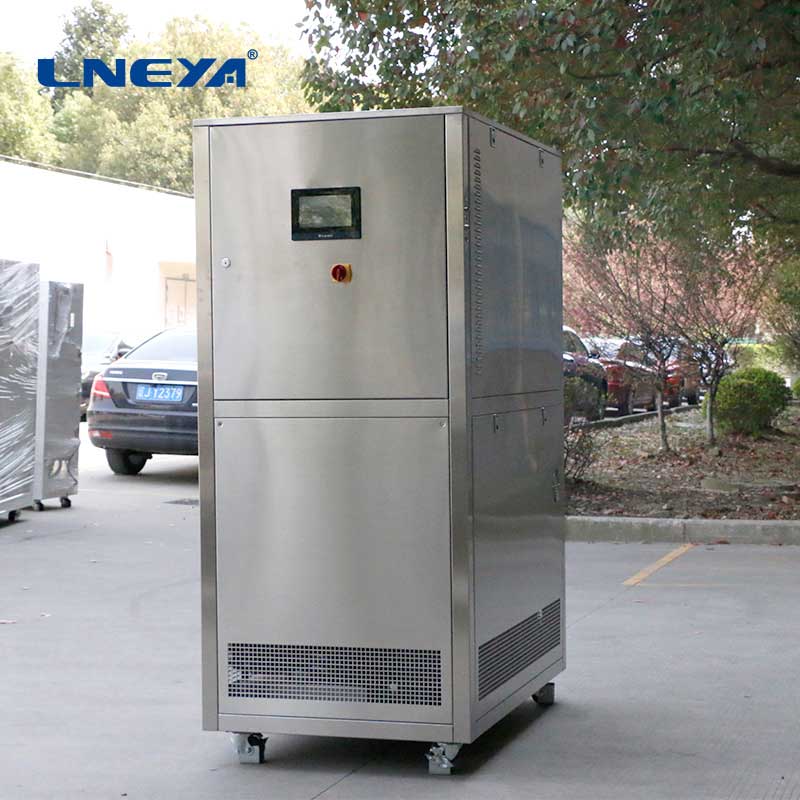
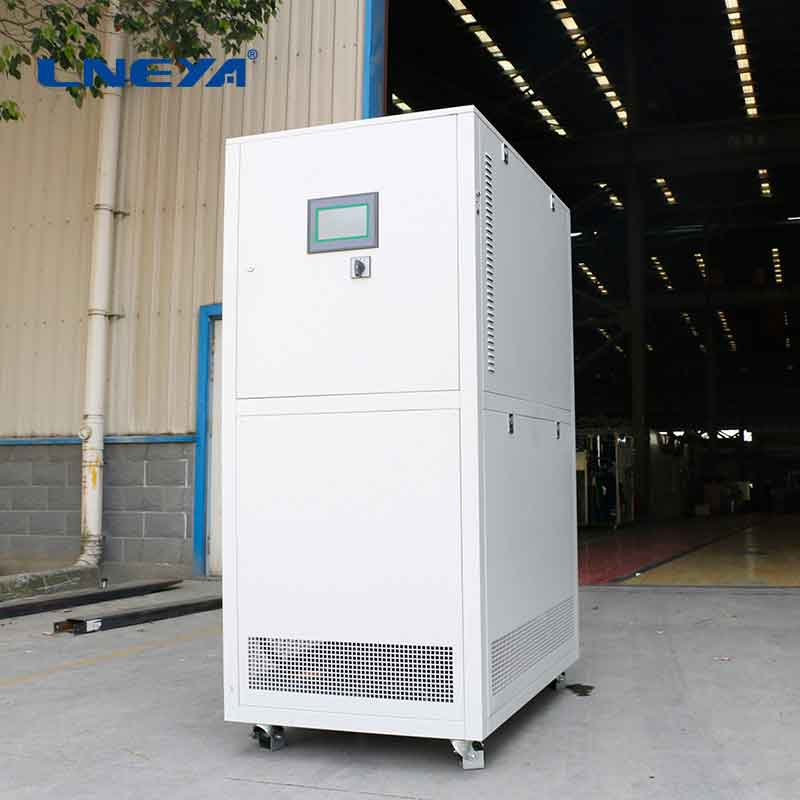
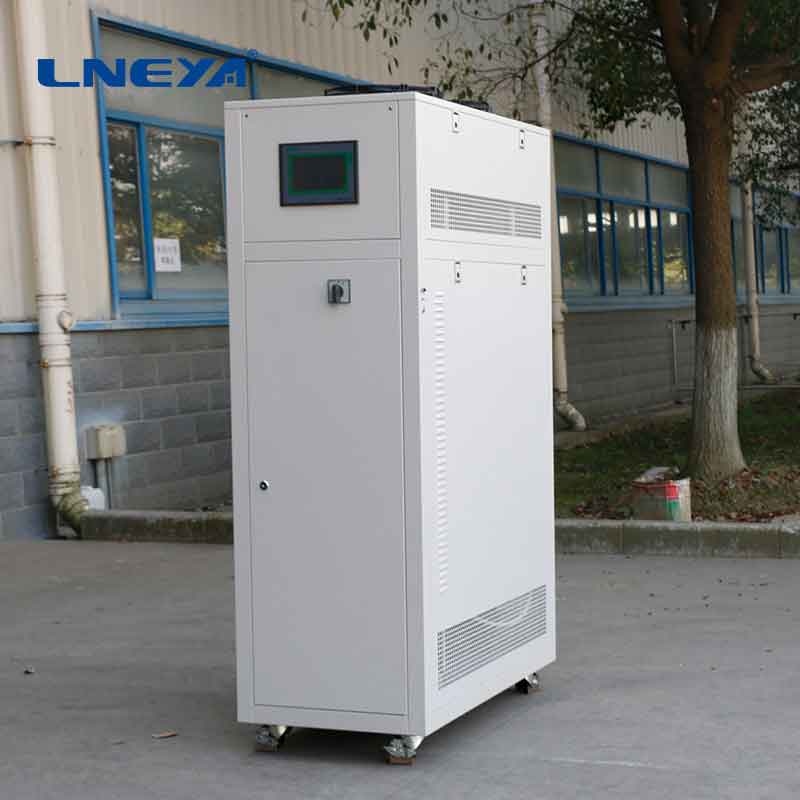
Water-cooled package systems are a type of HVAC system that uses water as the medium for heat rejection, as opposed to air. These systems are self-contained units that include refrigerant circuits with hermetic compressors, direct expansion cooling coils, expansion valves, solenoid valve controls, condensers, fans, and drives, all enclosed within an insulated steel casing. They are designed for duct type air-conditioning systems in commercial and industrial applications.
Technical Specifications
The technical specifications of water-cooled package systems can vary depending on the manufacturer and model. However, some common specifications include:
Compressor Type: Scroll compressors are commonly used due to their high durability, high efficiency, and stability.
Refrigerant Type: R407C is a commonly used refrigerant in these systems.
Condenser: Water-cooled condensers can be of various types, including tube-in-tube shell and tube, and shell and tube.
Water Flow and Pressure Drop: Systems are designed to handle specific water flow rates and pressure drops.
Air Flow: The air flow rate is another important specification, with systems ranging from 22,000 to 33,000 m³/h.
Sound Pressure Level: Noise levels are also specified, with systems typically ranging from 76 to 79 dB(A).
Advantages of Water-Cooled Package Systems
Water-cooled package systems offer several advantages over air-cooled systems:
Higher Efficiency: Water-cooled systems can have an energy efficiency ratio (EER) as high as 3.8 to 4.1, which is higher than air-cooled package units.
Reduced Space Requirements: These systems are compact and require less space compared to traditional air-cooled systems.
Improved Performance: Water-cooled systems can deliver a level of performance that air-cooled units cannot, especially in hot and humid conditions.
Lower Operating Costs: Due to their higher efficiency, water-cooled systems can result in lower operating costs.
Market Trends
The market for water-cooled package systems is growing due to several factors, including the need for more energy-efficient systems, the rise of cloud computing, big data, and the Internet of Things, which require effective cooling solutions. The global water-cooled chillers market size reached US$ 4.8 billion in 2023 and is expected to reach US$ 5.6 billion in 2032, exhibiting a growth rate (CAGR) of 3.2% during 2024-2032 .
Applications
Water-cooled package systems are used in a variety of applications, including:
Commercial Buildings: For climate control in offices, malls, and other commercial spaces.
Industrial Processes: In industries such as manufacturing and food processing, where precise temperature control is required.
Data Centers: To cool servers and other equipment effectively.
Conclusion
Water-cooled package systems are an efficient and reliable choice for HVAC systems in commercial and industrial applications. Their higher efficiency, compact design, and superior performance make them a popular choice in the market. As technology advances and the demand for energy-efficient solutions grows, water-cooled package systems are expected to continue their growth trajectory.
This content is copyrighted by LNEYA. If there is any infringement, please contact email: Lilia@lneya.com
The prev: water cooled heat pump chillerThe next: temperature controlled water circulator
Related recommendations

portable temperature control unit
260Portable temperature control units have become essential tools across numerous fields, enabling users to maintain desired temperature conditions regardless of location. These units are engineered ...
View detailswater cooled chiller operation
362Fundamental Working PrinciplesThe operation of a water-cooled chiller is based on the vapor-compression refrigeration cycle, which involves four main components: the evaporator, compressor, conde...
View detailsrefrigerant cooling system
448Refrigerant Cooling System: An In-Depth Analysis Definition of Refrigerant Cooling SystemA refrigerant cooling system is a closed-loop system that uses a refrigerant as the primary medium for h...
View detailscoil heat transfer
431What Is Coil Heat Transfer?Coil heat transfer involves the exchange of thermal energy between a fluid (liquid or gas) and a coiled tube. The coiled design increases surface area and promotes effic...
View details




HelloPlease log in