 LNEYA Chiller

water bath device
Introduction to Water Bath Devices
A water bath device is a laboratory instrument designed to incubate samples at a constant temperature over an extended period. It is a preferred heat source for applications where direct heating might be dangerous or imprecise, such as with heat-flammable substances or in temperature-sensitive reactions.
Definition and Principles
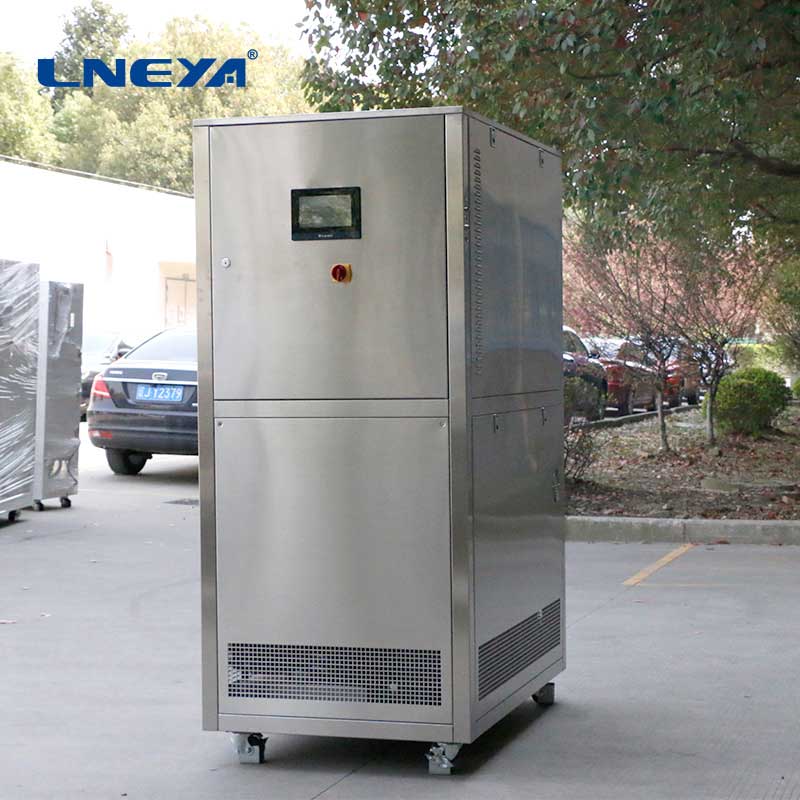
A water bath is a container filled with water that can be heated to a specific temperature, providing a uniform heat source for various laboratory applications. The principle behind a water bath involves using a sensor that converts the water’s temperature into a resistance value, which is then amplified and compared to produce a control signal, regulating the heating power to maintain a constant temperature.
Instrumentation of Water Bath Devices
The main parts of a water bath include a container, heater, thermometer, thermostat or regulator, and sometimes a propeller or stirrer device to promote water circulation. The container is typically made of insulated metal, such as stainless steel, and the lid is made of insulated metal or heat-resistant glass to prevent evaporation.
Types of Water Bath Devices
There are several types of water baths, including:
Circulating Water Baths: Ideal for applications requiring uniform temperature distribution, these baths circulate water to maintain the desired temperature.
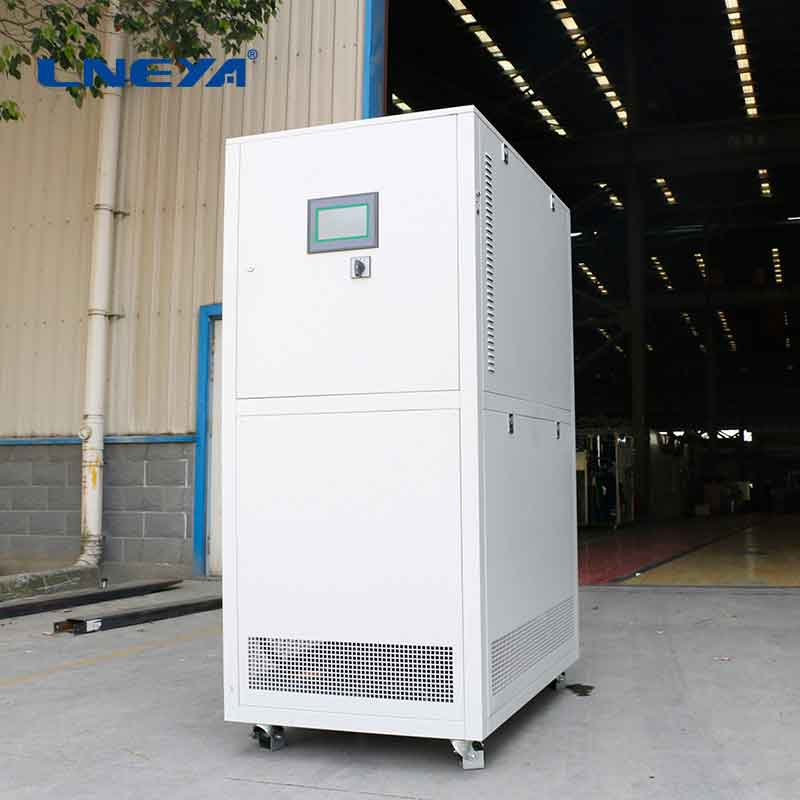
Non-Circulating Water Baths: These rely on convection to distribute heat and are less precise than circulating models.
Shaking Water Baths: These baths have the ability to shake water, providing high-precision temperature control and homogenizing test solutions.
Applications of Water Bath Devices
Water bath devices are used in various applications, such as:
Sample Incubation: Maintaining a stable temperature for bacterial cultures and other biological samples.
Chemical Reactions: Facilitating reactions that require precise temperature control.
Thawing and Warming: Thawing samples and warming reagents, which is particularly useful in microbiology and food technology.
Market Trends for Water Bath Devices
The global water bath market is expected to grow at a CAGR of 4% from 2024 to 2032, reaching USD 264.1 million by 2032. Key market drivers include the increasing demand for precision laboratory equipment in research, pharmaceuticals, and biotechnology sectors. However, high initial costs associated with advanced water bath systems may hinder adoption, especially among small laboratories and startups.
Technological Advancements
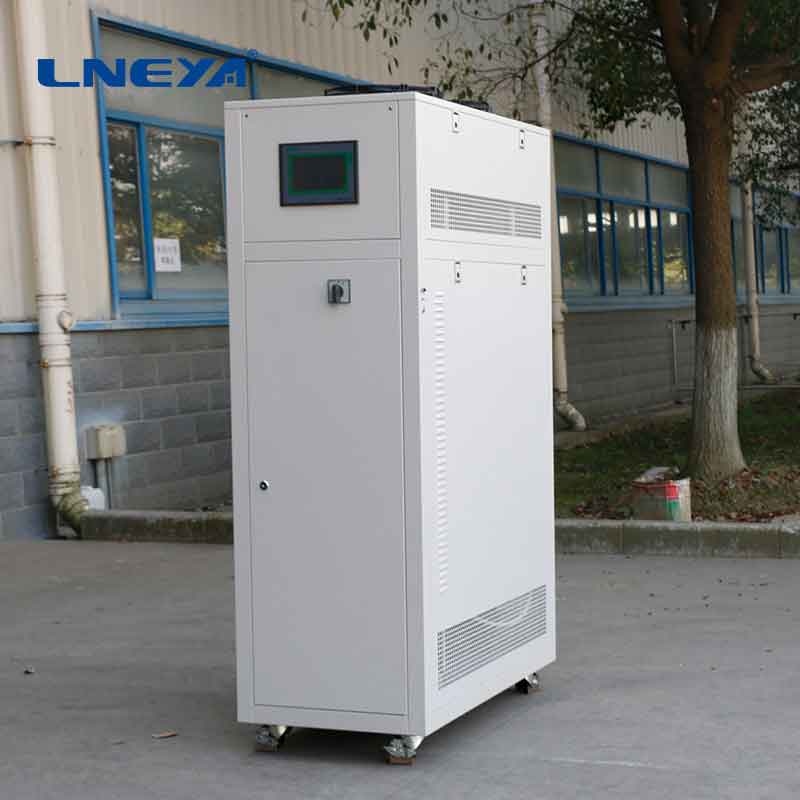
Modern water bath devices have seen significant technological advancements, offering digital interfaces with precise temperature adjustments, timers, and safety features. These advancements provide opportunities for the automation of laboratories with smart lab features that can be incorporated into new models or versions of water baths.
Conclusion
Water bath devices are indispensable in scientific research and industrial processes that require precise temperature control. As the global market for these devices continues to grow, driven by technological advancements and increasing demand, understanding their principles, types, applications, and market trends is essential for selecting the appropriate water bath for specific laboratory needs. These devices play a critical role in ensuring the accuracy and reliability of temperature-sensitive processes.
This content is copyrighted by LNEYA. If there is any infringement, please contact email: Lilia@lneya.com
The prev: water bath cooling systemThe next: 50 ton water chiller
Related recommendations

chiller kw
399Understanding Chiller kW The "kW" in chiller kW indicates the cooling capacity of the chiller system, measured in kilowatts. This is a crucial specification as it directly affects the chiller's...
View detailsindustrial process water chillers
546Industrial Process Water Chillers: Vital for Manufacturing Temperature Control Industrial process water chillers are critical components in many manufacturing and industrial settings, where pre...
View detailscooling capacity of chiller
642Understanding Cooling Capacity of ChillersThe cooling capacity of a chiller is a fundamental aspect of its performance, defining its capability to extract heat and maintain desired temperatures. I...
View detailsHow to maintain an industrial water chiller machine?
1373How to maintain an industrial water chiller machine? 1、 Regularly check whether the voltage and electric flow of the chiller are stable, and whether the sound of the compressor is norm...
View details




HelloPlease log in