 LNEYA Chiller

chiller for distillation
Chillers for Distillation: A Detailed Analysis
Importance of Chillers in Distillation:
Distillation chillers are critical components in the distillation process, used to cool down the vapor produced during distillation. They help in condensing the alcohol vapor back into a liquid state, which is essential for the separation of alcohol from water and other impurities. The consistent cooling provided by distillation chillers reduces thermal stress on machinery, leading to fewer breakdowns and maintenance issues, thus extending the life span of distillery equipment.
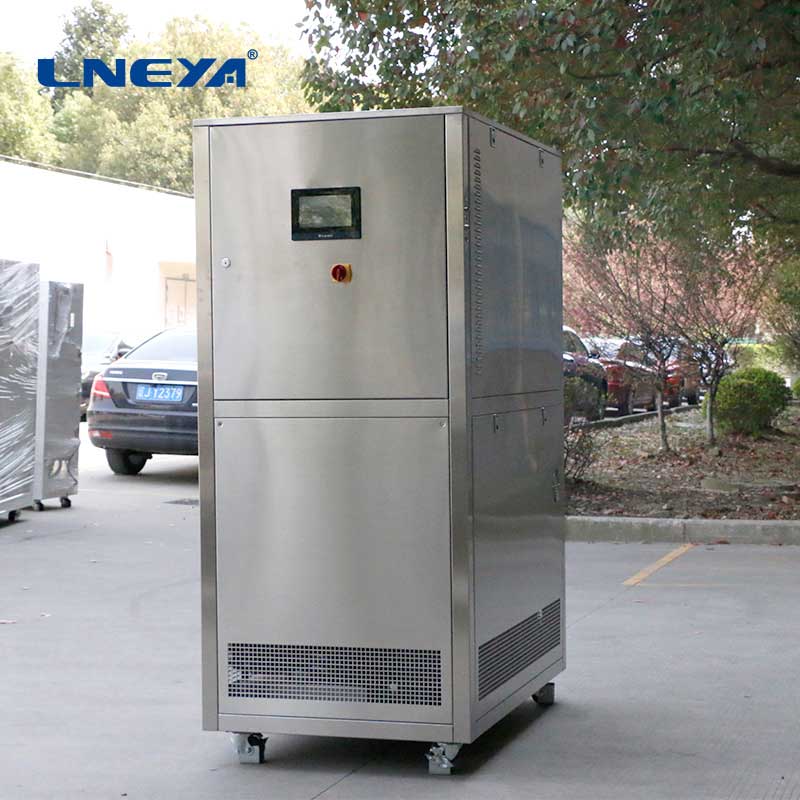
Applications of Distillation Chillers:
Distillation chillers are used in various stages of spirits production, including mashing, fermentation, dephlegmating, and other distillation processes. They are also used in rotary evaporators and laboratory distillation systems where efficient and fast heat dissipation is critical for achieving optimal results.
Technological Aspects of Distillation Chillers:
Modern distillation chillers are designed to be energy-efficient, reducing overall power consumption. They use advanced technology to provide precise cooling with minimal energy use, resulting in lower utility bills. Efficient cooling systems can also help reduce the need for additional cooling equipment. Some chillers have been integrated with rotary evaporation systems to save precious time thanks to their high distillation efficiency.
Market Trends in Distillation Chillers:
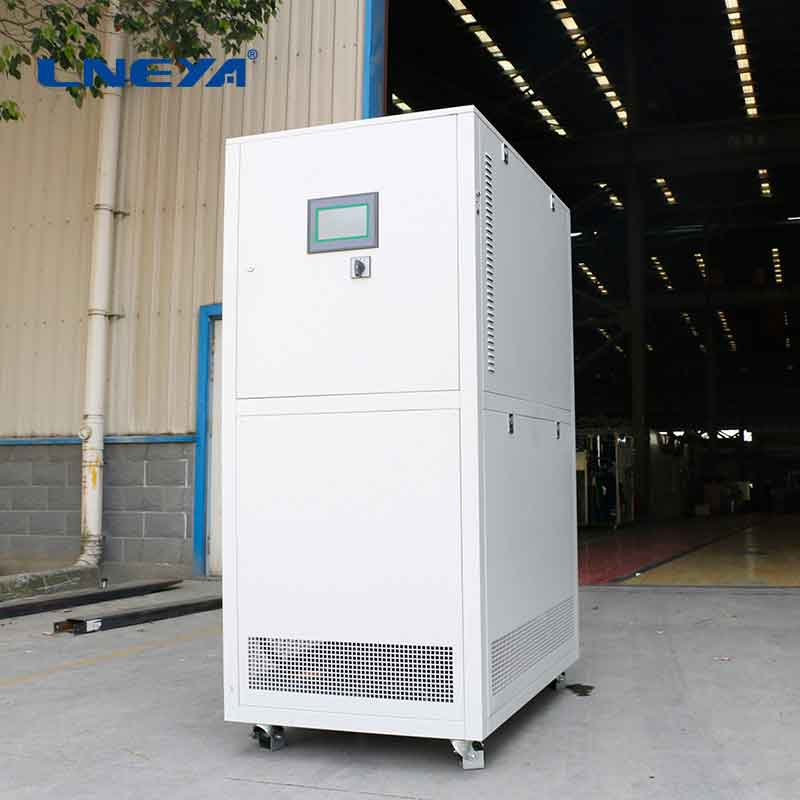
The global chillers market, including those for distillation, is anticipated to grow from USD 4.26 billion in 2024 to USD 5.34 billion by 2032, exhibiting a CAGR of 2.9%. The market growth is influenced by the increasing demand for energy-efficient cooling solutions and the push for green building practices. APAC is projected to be the fastest-growing market for chillers, owing to the presence of highly populated countries, such as China and India.
Environmental Impact of Distillation Chillers:
The environmental impact of distillation chillers is significant as they contribute to energy savings and the reduction of greenhouse gas emissions by maintaining optimal flow rates and preventing system damage. The industry is moving towards more sustainable practices, including the use of energy-efficient chillers and advanced refrigeration technologies that have a lower environmental impact.
Conclusion:
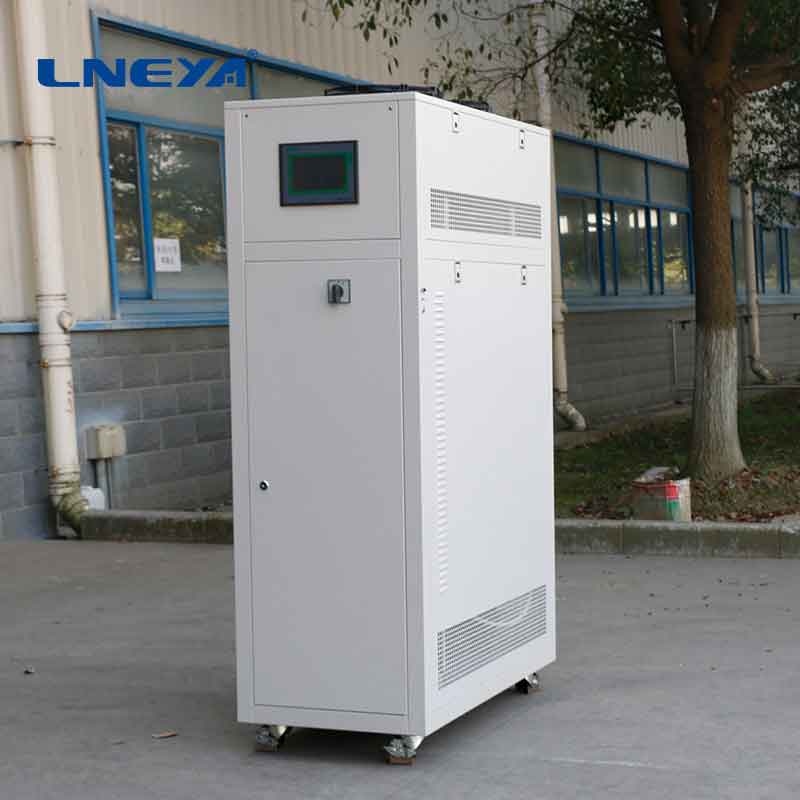
Distillation chillers are vital in the production of spirits, providing precise temperature control and ensuring the quality of the final product. As technology advances, there is a growing focus on energy efficiency and environmental sustainability in the design and operation of distillation chillers. The market is expected to grow with the increasing demand for sustainable cooling solutions and the push for green building practices. Understanding the importance, applications, technological aspects, market trends, and environmental impact of distillation chillers is crucial for making informed decisions when investing in such cooling technologies.
This content is copyrighted by LNEYA. If there is any infringement, please contact email: Lilia@lneya.com
The prev: small chiller plantThe next: coolant coolers chillers
Related recommendations

hot water bath equipment
323I. Introduction to Hot Water Bath EquipmentHot water bath equipment is an essential component of modern households and commercial establishments, providing comfort and convenience by ensuring a s...
View detailslow consumption heater
544Understanding Low Consumption Heaters Definition of Low Consumption Heaters Low consumption heaters are heating devices designed to operate with minimal energy use while maintaining efficien...
View detailschiller items
312Chiller Items: A Comprehensive GuideIn the complex and vital world of cooling technology, chillers are indispensable for maintaining optimal temperatures in a wide range of settings, from commerc...
View detailsHow to prevent moisture in the process chillers?
1210How to prevent moisture in the process chillers? 1. Equipment installation location selection When selecting the location for installing process coolers, it is important to avoid...
View details




HelloPlease log in