 LNEYA Chiller

hot bath chemistry
Introduction to Hot Bath Chemistry
Hot bath chemistry is a critical aspect of many laboratory procedures, where a controlled temperature environment is necessary for chemical reactions, sample incubation, and other processes. A hot water bath provides a stable and even heat source, which is essential for achieving accurate and consistent results in chemistry and biology experiments.
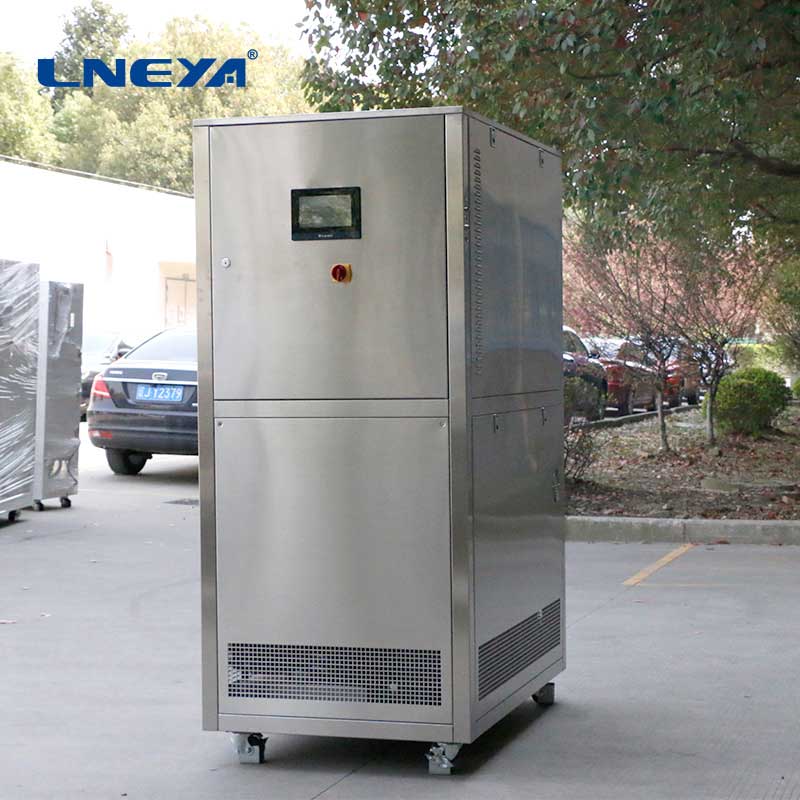
Principle of Hot Bath Chemistry
A hot water bath operates on the principle of using water as a heat transfer medium. The water is heated to a specific temperature, which can be maintained for an extended period, providing a consistent environment for the samples placed within the bath. The temperature is controlled using a thermostat or a digital controller, ensuring precise regulation.
Advantages of Hot Bath Chemistry
Uniform Temperature Distribution: Hot baths provide a uniform temperature, which is crucial for reactions that require precise temperature control.
Safety: A water bath is preferred over an open flame when heating flammable substances, reducing the risk of accidents.
Ease of Use: Water baths are easy to operate and cost-effective, with low maintenance costs.

Capacity: They can accommodate a large number of samples simultaneously, which is beneficial for high-throughput experiments.
Limitations of Hot Bath Chemistry
Microbial Activity: If the bath is untreated and exposed to the environment, it can encourage microbial growth.
Water Replacement: Regular replacement of water may be required to maintain cleanliness and prevent contamination.
Safety Precautions
Dry Hands: Ensure hands are dry before operating the water bath to prevent electrical hazards.
Water Level: Adjust the water level carefully to avoid displacement issues with samples.
Covering: Keep the water bath covered during operation to prevent evaporation and contamination.
Cleaning: Regularly clean the water bath to maintain hygiene and prevent corrosion.
Applications of Hot Bath Chemistry
Hot water baths are used in various applications, including:
Clinical and Microbiology Labs: For warming reagents, sample thawing, and bacteriological investigations.
Environmental Research: For temperature control in environmental studies and tests.
Food Technology: For warming and incubation processes in food-related experiments and quality control.
Types of Hot Baths

Shaking Water Bath: Equipped with a mechanism for gently shaking samples while incubating, improving mixing and oxygenation.
Circulating Water Bath: Features a pump for circulating water, ensuring uniform temperature throughout the bath.
Non-Circulating Water Bath: Relies on convection for temperature control and is simpler in design.
Industry Trends
The market for hot bath chemistry equipment is evolving with trends such as digital controls for accurate temperature settings and the use of inert gases to prevent oxidation of samples. There is also a focus on energy efficiency and environmental sustainability in the design of newer hot bath models.
Conclusion
Hot bath chemistry is an essential tool in the field of scientific research, providing a controlled and stable temperature environment for various applications. Understanding the principles, advantages, limitations, and safety precautions associated with hot bath chemistry is crucial for anyone working with these devices. As technology advances, hot bath chemistry equipment continues to improve, offering more precise control and versatility for a wide range of laboratory needs.
This content is copyrighted by LNEYA. If there is any infringement, please contact email: Lilia@lneya.com
The prev: water bath pumpThe next: water bath evaporation
Related recommendations

mini water chiller price
536Mini Water Chiller Price: Factors and Global Market Overview Mini water chiller systems are crucial for various industrial applications, and their prices can vary significantly based on several...
View detailsliquid bath
402What is a Liquid Bath? A liquid bath is a temperature control device that uses a liquid medium, typically water or oil, to maintain precise and stable temperatures for laboratory and industrial...
View detailscustom heaters
287What are Custom Heaters? Custom heaters are heating devices engineered to meet specific operational requirements that standard heaters cannot fulfill. They are designed with unique specificatio...
View detailsWhat is the reason for the pressure increase in semiconductor chiller?
1289What is the reason for the pressure increase in semiconductor chiller? Firstly, semiconductor coolers mostly use refrigerants for cooling, which are organic molecules. Due to its small ...
View details




HelloPlease log in