 LNEYA Chiller

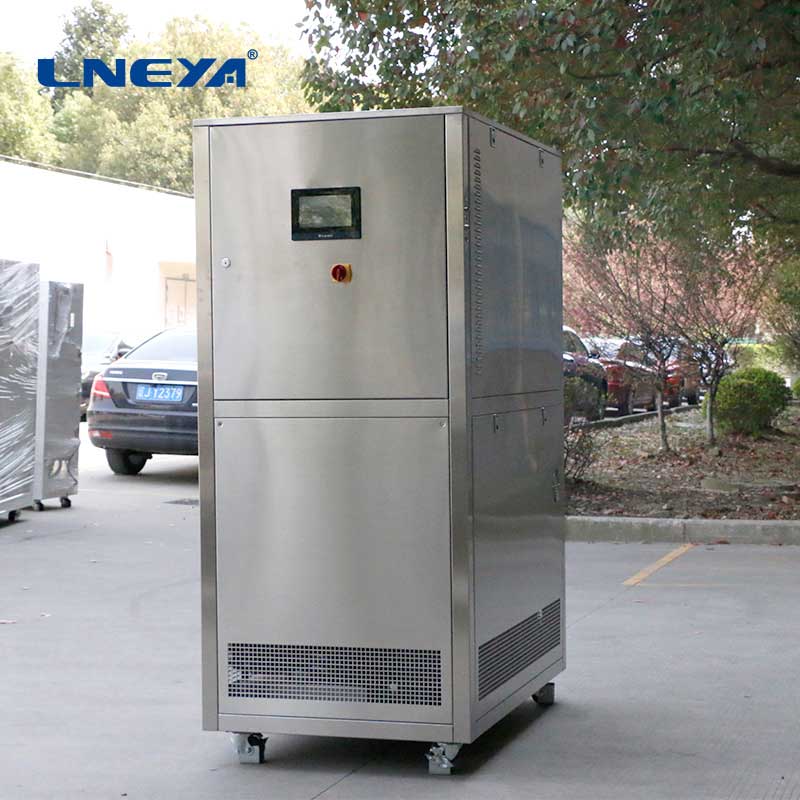
compact chiller unit
Key Features of Compact Chiller Units:
Space-Saving Design: Ideal for tight installations.
Energy-Efficient Operation: Optimized for low power consumption.
Precision Cooling: Maintains stable temperatures (±0.5°C or better).
Versatility: Compatible with various cooling fluids and applications.
How It Works:
Heat Absorption: Refrigerant absorbs heat from the process fluid in the evaporator.
Compression: The refrigerant is compressed, increasing its temperature.
Heat Rejection: Heat is expelled via air or water cooling in the condenser.
Expansion: The refrigerant cools before restarting the cycle.
Common Applications:
Medical & Laboratory: Cooling MRI machines, laser systems, and lab equipment.
Industrial Use: Temperature control in plastic molding, food processing, and printing.
HVAC & Electronics: Supplemental cooling for server rooms and telecom devices.
Advantages Over Larger Chillers:
Lower installation and operational costs.
Easier maintenance and scalability.
Reduced footprint without sacrificing performance.
For optimal efficiency, ensure proper sizing, ventilation, and routine maintenance. Compact chiller units provide a reliable, cost-effective cooling solution for space-constrained environments.
Compact Chiller Unit: Detailed Explanation
- What Is a Compact Chiller Unit?
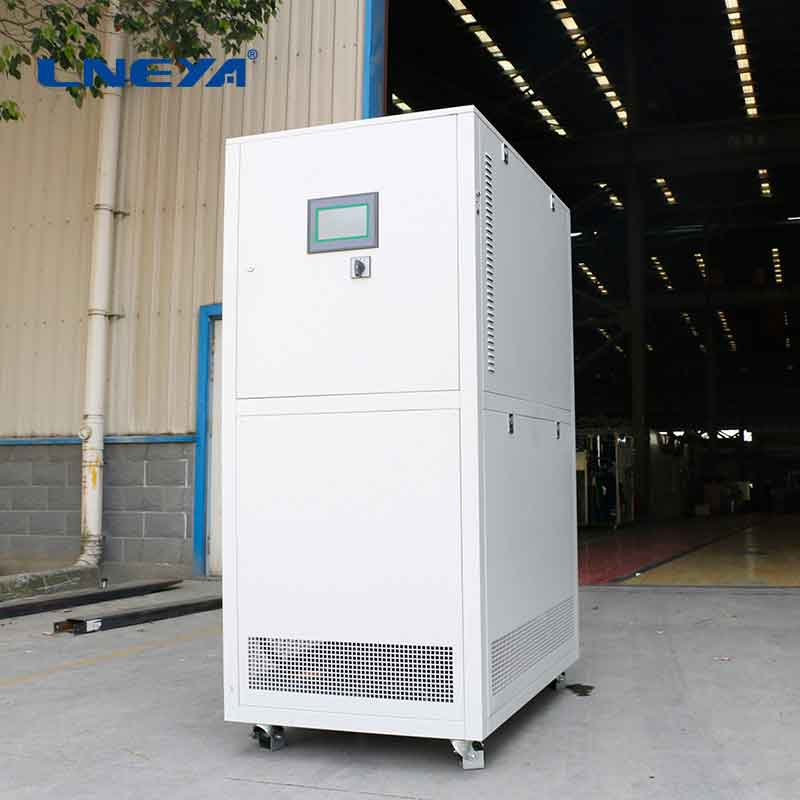
A compact chiller unit is a small-scale refrigeration system designed to cool liquids efficiently while occupying minimal space. Unlike large industrial chillers, these units are lightweight, portable, and ideal for environments where space is limited but precise temperature control is essential. - Working Principle
Compact chillers operate on the same basic refrigeration cycle as larger systems but in a more condensed form. The process involves four main stages:
A. Evaporation
The refrigerant absorbs heat from the process fluid (water or glycol) in the evaporator, converting into a low-pressure gas.
B. Compression
The gaseous refrigerant is compressed by the compressor, raising its temperature and pressure.
C. Condensation
The hot refrigerant flows through the condenser, where it releases heat to the surrounding air (air-cooled) or a secondary cooling medium (water-cooled).
D. Expansion
The high-pressure liquid refrigerant passes through an expansion valve, reducing its temperature before re-entering the evaporator to repeat the cycle.
- Types of Compact Chiller Units
Compact chillers can be classified based on their cooling mechanism:
Air-Cooled Chillers: Use fans to dissipate heat, making them suitable for areas with limited water supply.
Water-Cooled Chillers: Require a cooling tower or external water source, offering higher efficiency in larger setups.
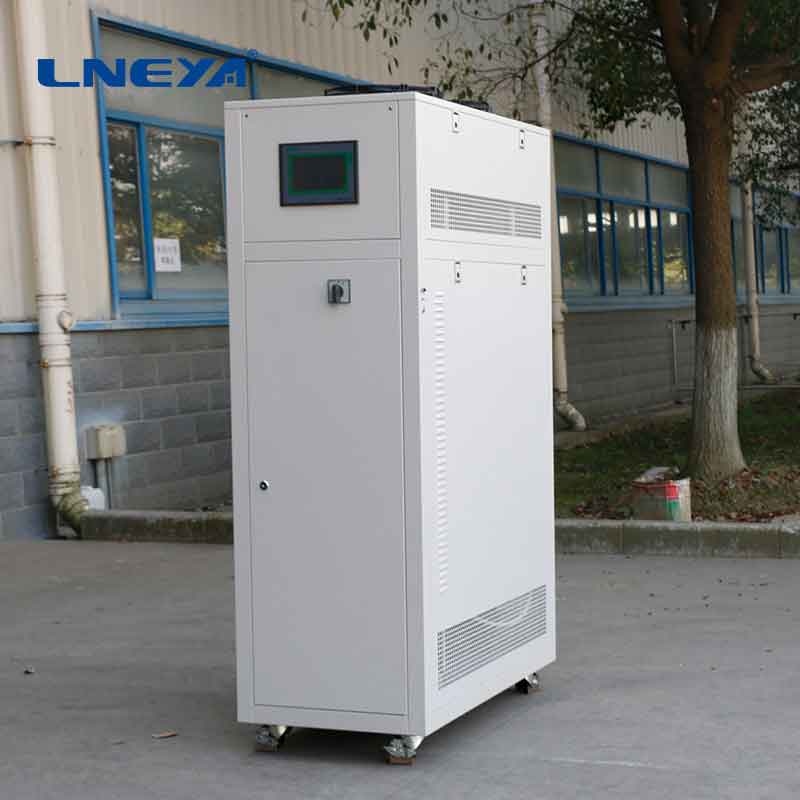
Portable Chillers: Wheel-mounted for easy relocation in labs or industrial settings.
Recirculating Chillers: Designed for closed-loop cooling in precision applications.
- Key Applications
Compact chiller units are widely used in:
A. Medical & Laboratory Equipment
Cooling MRI machines, CT scanners, and laser systems.
Maintaining stable temperatures in bioreactors and analytical instruments.
B. Industrial Processes
Plastic Injection Molding: Prevents overheating in molds.
Laser Cutting & Welding: Ensures consistent laser performance.
Food & Beverage Industry: Temperature control in fermentation and storage.
C. HVAC & Electronics Cooling
Supplemental cooling for data centers and server rooms.
Temperature regulation in telecom and power electronics.
- Advantages of Compact Chiller Units
Space Efficiency: Designed to fit in confined areas.
Energy Savings: Optimized for lower power consumption.
Precision Temperature Control: Maintains tight tolerances (±0.1°C in some models).
Easy Installation & Maintenance: Fewer components reduce servicing complexity.
- How to Choose the Right Compact Chiller
Consider these factors when selecting a unit:
Cooling Capacity (Tons or kW): Ensure it matches your heat load.
Temperature Range: Verify it meets your cooling requirements.
Cooling Medium Compatibility: Water, glycol, or other fluids.
Ambient Conditions: Air-cooled vs. water-cooled suitability.
- Maintenance Tips for Longevity
Clean condenser coils (air-cooled) or check water quality (water-cooled).
Monitor refrigerant levels and inspect for leaks.
Ensure proper airflow around the unit.
Schedule regular professional servicing.
Conclusion
Compact chiller units provide efficient, reliable cooling for applications where space and energy efficiency are critical. By understanding their working principles, types, and maintenance needs, users can optimize performance and extend the unit’s lifespan. Whether for medical, industrial, or HVAC use, these systems offer a practical solution for precise temperature control in small-scale environments.
This content is copyrighted by LNEYA. If there is any infringement, please contact email: Lilia@lneya.com
The prev: small chiller systemThe next: cooling and heating equipment
Related recommendations

most energy efficient portable heater
753Most Energy Efficient Portable Heaters: A Guide to Efficient Heating Portable heaters are essential for providing supplemental heating in specific areas of a home or office, and choosing an ene...
View detailswaterchillers
231Working Principles of Water ChillersThe fundamental operation of water chillers is rooted in the refrigeration cycle, which is a closed - loop process involving four key components. The cycle ini...
View detailsrecirculating water cooling system
324IntroductionIn numerous industrial and commercial applications, maintaining optimal operating temperatures is crucial for the efficient and reliable functioning of equipment and processes. Recirc...
View detailschiller system working
201A chiller system is a refrigeration-based setup designed to cool a fluid, which is then used to absorb heat from a target area, process, or equipment. Its operation is rooted in the fundamental pr...
View details




HelloPlease log in