 LNEYA Chiller

coil heat transfer
What Is Coil Heat Transfer?
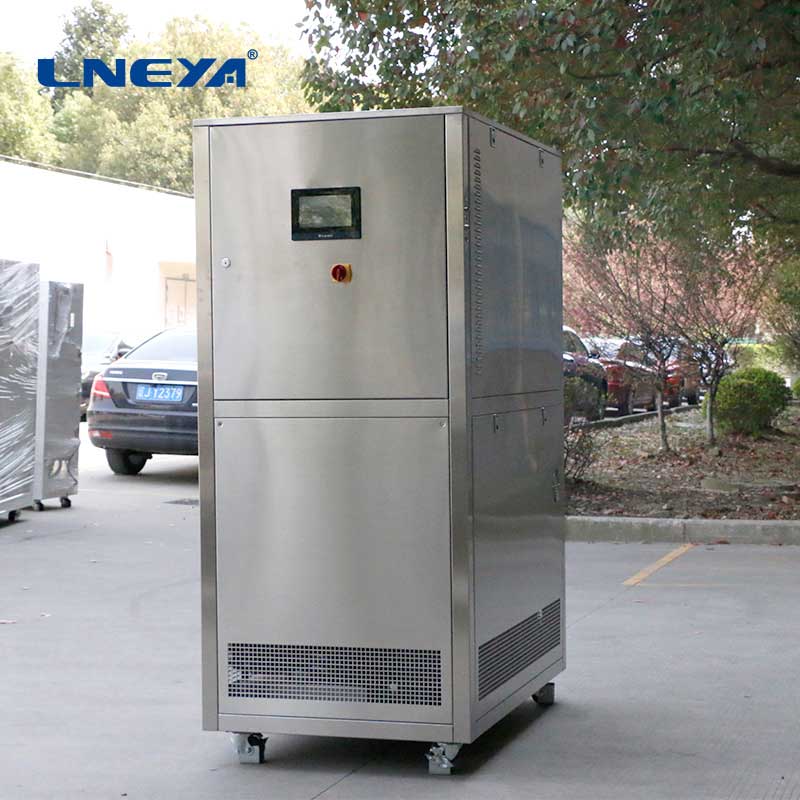
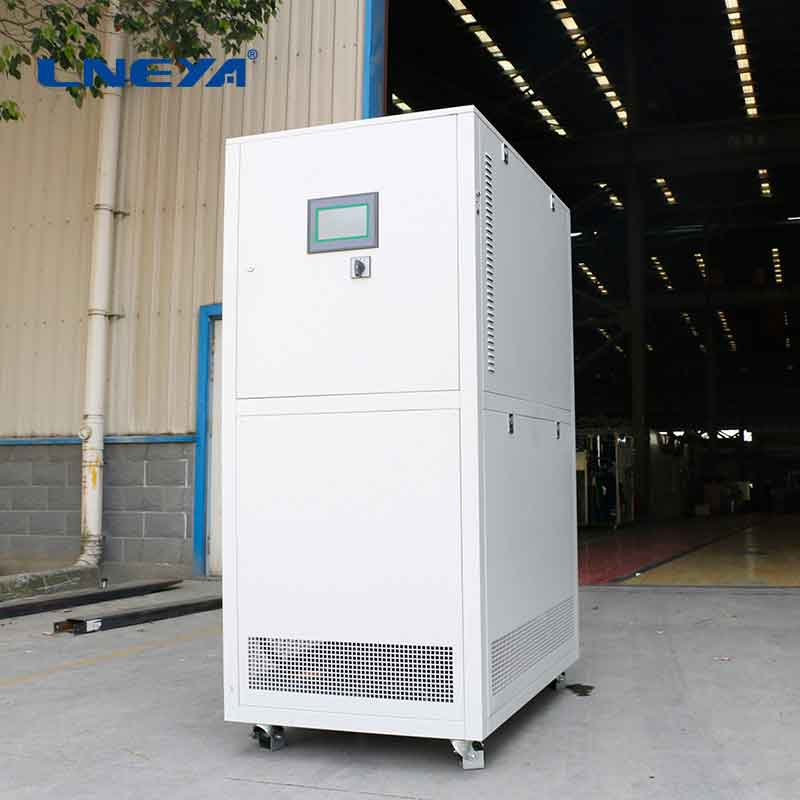
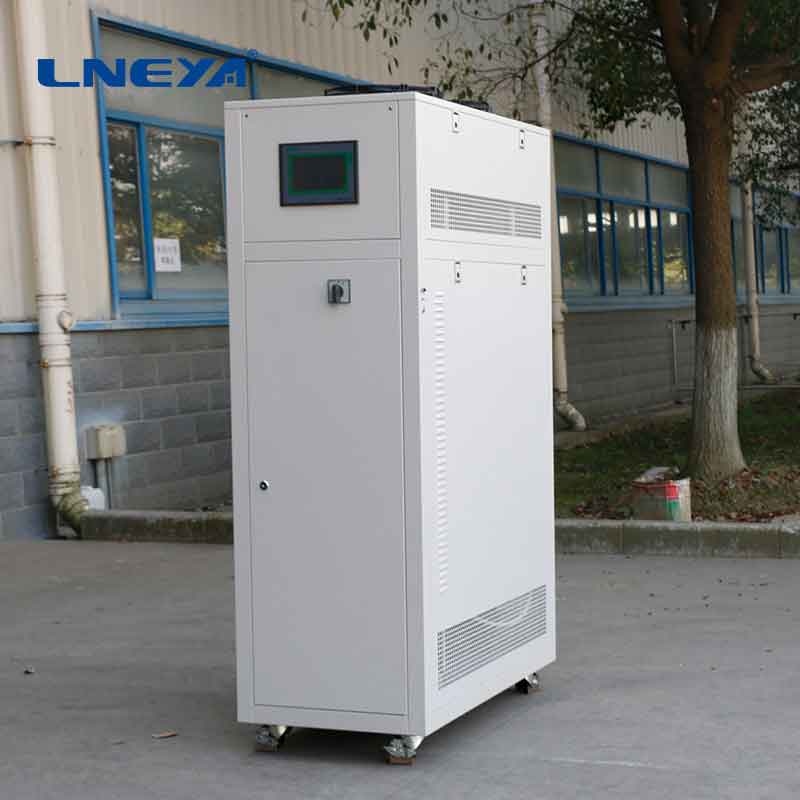
Coil heat transfer involves the exchange of thermal energy between a fluid (liquid or gas) and a coiled tube. The coiled design increases surface area and promotes efficient heat exchange, making it ideal for various industrial and commercial applications.
How Coil Heat Transfer Works
Conduction: Heat moves through the coil wall from the hotter side to the cooler side.
Convection: The fluid absorbs or releases heat depending on whether it is being heated or cooled.
Radiation (Minor Role): In high-temperature applications, thermal radiation may contribute slightly.
Types of Heat Transfer Coils
Helical Coils: Compact and efficient, commonly used in HVAC systems.
Spiral Coils: Used in large-scale heat exchangers for better flow distribution.
Finned Coils: Enhance heat transfer by increasing surface area, ideal for air-cooling applications.
Key Factors Influencing Efficiency
Fluid Velocity: Higher flow rates improve convection but may increase pressure drop.
Temperature Gradient: Greater differences between fluid and coil temperatures enhance heat transfer.
Material Conductivity: Copper, aluminum, and stainless steel are common choices.
Surface Area: Coiled and finned designs maximize heat exchange.
Applications
HVAC Systems: Coils are used in condensers and evaporators.
Industrial Processes: Chemical reactors, power plants, and oil refineries rely on coil heat exchangers.
Refrigeration: Facilitates cooling in condensers and evaporators.
Optimization Techniques
Turbulent Flow: Increases heat transfer rates by disrupting boundary layers.
Material Selection: High thermal conductivity metals improve efficiency.
Periodic Maintenance: Prevents fouling, which reduces performance.
By optimizing these factors, engineers can design highly efficient coil heat transfer systems for diverse applications.
This content is copyrighted by LNEYA. If there is any infringement, please contact email: Lilia@lneya.com
The prev: heating and cooling coolerThe next: industrial heat transfer
Related recommendations

How to Choose a Suitable Refrigerant for Low Temperature Chiller?
1675How to Choose a Suitable Refrigerant for Low Temperature Chiller? The nature of the refrigerant will directly affect the type, structure, size and operating characteristics of the chiller, an...
View detailsgas refrigeration
403IntroductionGas refrigeration is a crucial area within the field of refrigeration technology. It plays a significant role in various industries and applications due to its unique characteristics a...
View detailsindustrial process water chillers
545Industrial Process Water Chillers: Vital for Manufacturing Temperature Control Industrial process water chillers are critical components in many manufacturing and industrial settings, where pre...
View detailschillers water
427Water Chillers: Definition and ImportanceA water chiller is a refrigeration system that reduces the temperature of machinery, industrial spaces, and process fluids by removing heat from the proces...
View details




HelloPlease log in