 LNEYA Chiller

chiller capacity tons
Chiller Capacity in Tons: Understanding the Basics
Chiller capacity, often measured in tons, is a fundamental aspect of heating, ventilation, and air conditioning (HVAC) systems. It determines the cooling power of a chiller and is crucial for designing and selecting the right chiller for a specific application. This article provides an in-depth look at chiller capacity, explaining what it means, how it’s calculated, and why it’s important for the efficiency and performance of an HVAC system.
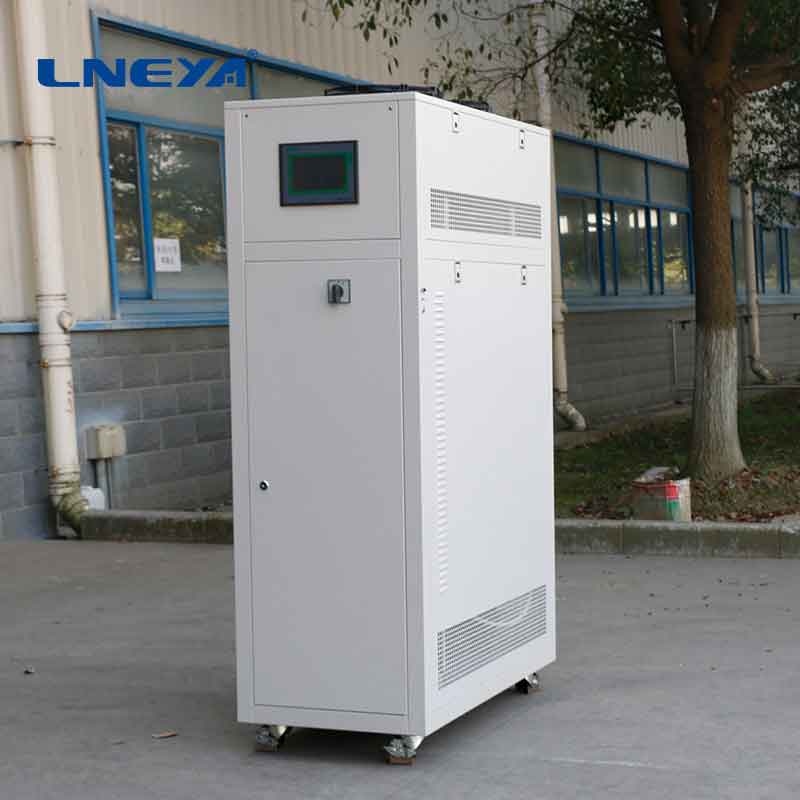
What is Chiller Capacity in Tons?
Chiller capacity in tons refers to the amount of heat a chiller can remove from an area in one hour. One ton of cooling capacity is equivalent to removing 12,000 British Thermal Units (BTUs) of heat per hour. This measurement is used to size chillers appropriately for the cooling needs of a building or industrial process.
Calculating Chiller Capacity
The capacity of a chiller is determined by several factors, including:
Cooling Load: The total amount of heat that needs to be removed from the space. This is influenced by factors such as the size of the space, insulation, external temperatures, and internal heat sources.
Coefficient of Performance (COP): A measure of the chiller’s efficiency, indicating the amount of cooling produced per unit of energy consumed.
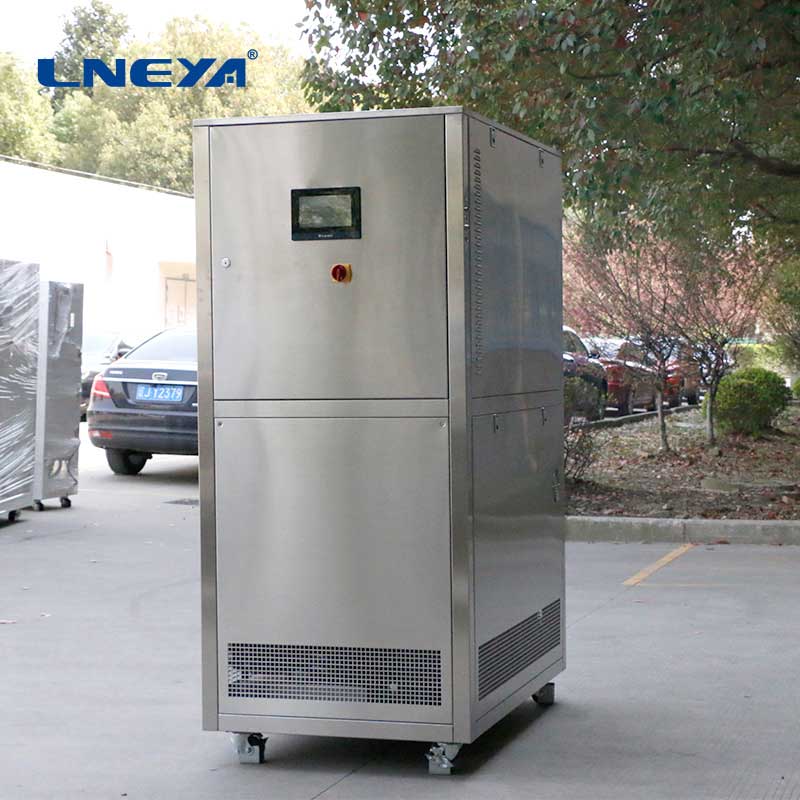
Operating Conditions: Chiller capacity can be affected by variables such as ambient temperature and the temperature of the water being cooled.
Impact of Chiller Capacity on System Performance
The capacity of a chiller directly impacts the performance of an HVAC system. An undersized chiller may not provide adequate cooling, leading to discomfort and potential equipment damage. Conversely, an oversized chiller may operate inefficiently, cycling on and off frequently and leading to higher energy costs and reduced equipment life.
Sizing Chillers Correctly
Properly sizing a chiller involves calculating the cooling load and selecting a chiller with the appropriate capacity. This process typically involves:
Conducting a Load Calculation: This involves assessing the building’s characteristics and determining the heat gain and loss.
Considering Peak Load Conditions: Sizing the chiller for the hottest days ensures adequate cooling during peak demand periods.
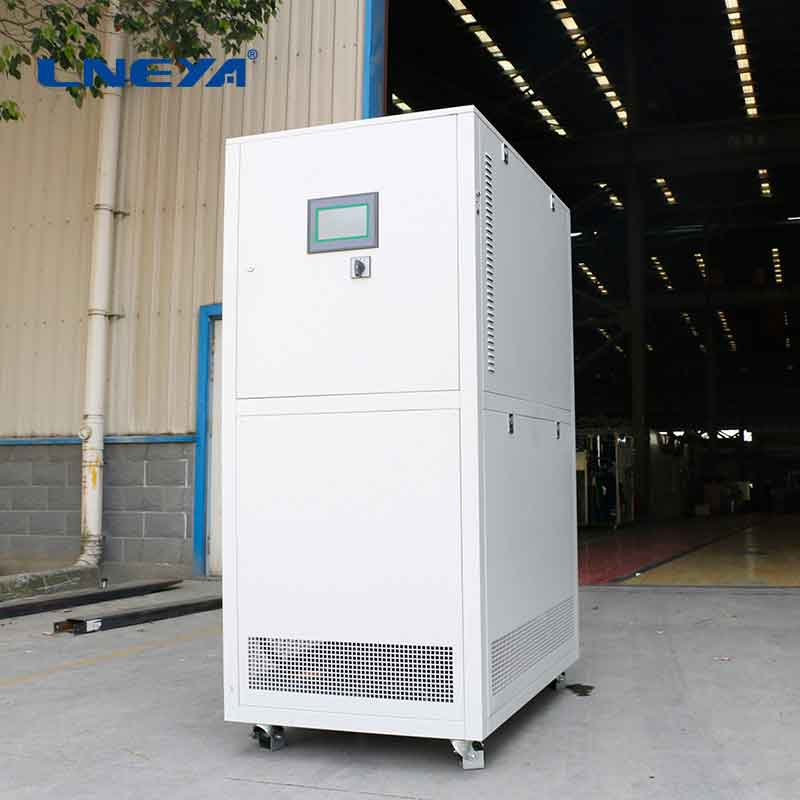
Accounting for Future Needs: Allowing for potential increases in cooling load due to changes in the building’s use or occupancy.
Energy Efficiency and Chiller Capacity
Chillers with higher COP values are more energy-efficient, reducing operating costs and environmental impact. However, the overall energy efficiency of an HVAC system also depends on factors such as the chiller’s capacity relative to the cooling load and the system’s design and maintenance.
Choosing the Right Chiller Capacity
When selecting a chiller, it’s important to consider the specific cooling requirements of the space, the expected operating conditions, and the desired energy efficiency. Working with a qualified HVAC professional can help ensure that the right chiller capacity is chosen for the application.
Conclusion
Understanding chiller capacity in tons is essential for designing and selecting HVAC systems that provide effective cooling while maximizing energy efficiency. By considering factors such as the cooling load, operating conditions, and system design, it’s possible to choose a chiller with the appropriate capacity for a given application. Properly sized chillers not only enhance comfort and performance but also contribute to energy savings and sustainable operations.
This content is copyrighted by LNEYA. If there is any infringement, please contact email: Lilia@lneya.com
The prev: chilled water cooling waterThe next: chiller capacity unit
Related recommendations

advantage portable chillers
789The Advantages of Portable Chillers in Industrial Cooling Applications Portable chillers have become increasingly popular in a wide range of industries due to their versatility and efficiency i...
View detailscold chamber testing
430Introduction to Cold Chamber Testing Cold chamber testing refers to the process of evaluating materials and components in a controlled low-temperature environment. This testing is essential for...
View detailscooling temperature
683Understanding Cooling Temperature Cooling temperature is a vital aspect of many processes, where managing heat is essential for maintaining efficiency, ensuring safety, and preserving the quali...
View detailsair cooled process chiller
502Air-Cooled Process Chiller: Efficient Temperature Control for Industrial Processes Air-cooled process chillers are essential in industries where precise temperature control is required for proc...
View details




HelloPlease log in