 LNEYA Chiller

air cooled chiller working
The Working Principle of Air-Cooled Chillers
Air-cooled chillers operate on the basic principle of vapor compression refrigeration. They produce chilled water by transferring heat from the fluid being cooled to the ambient air. The process involves several key components:
Compressor: This component pressurizes the refrigerant, transforming it from a low-pressure vapor to a high-pressure vapor.
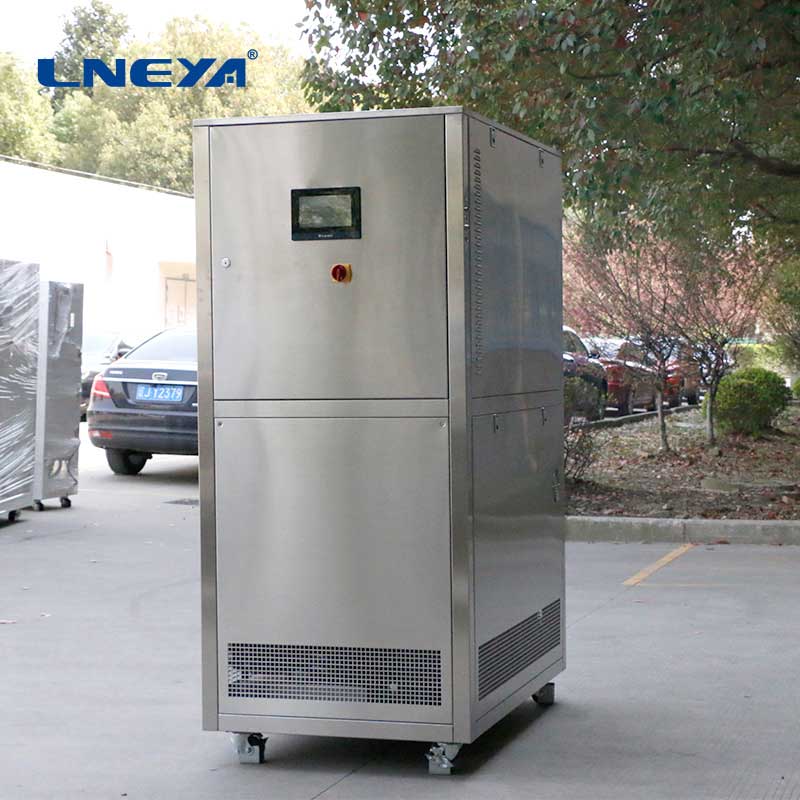
Condenser: The high-pressure vapor enters the condenser, where it releases heat to the ambient air, facilitated by a fan, and condenses into a high-pressure liquid.
Expansion Valve: The refrigerant then passes through the expansion valve, which reduces its pressure, preparing it to absorb heat in the evaporator.
Evaporator: In the evaporator, the low-pressure refrigerant absorbs heat from the warm fluid, such as water or glycol, cooling it down. The refrigerant then evaporates and returns to the compressor to start the cycle again.
Applications of Air-Cooled Chillers
Air-cooled chillers are used in various industries and applications, including:
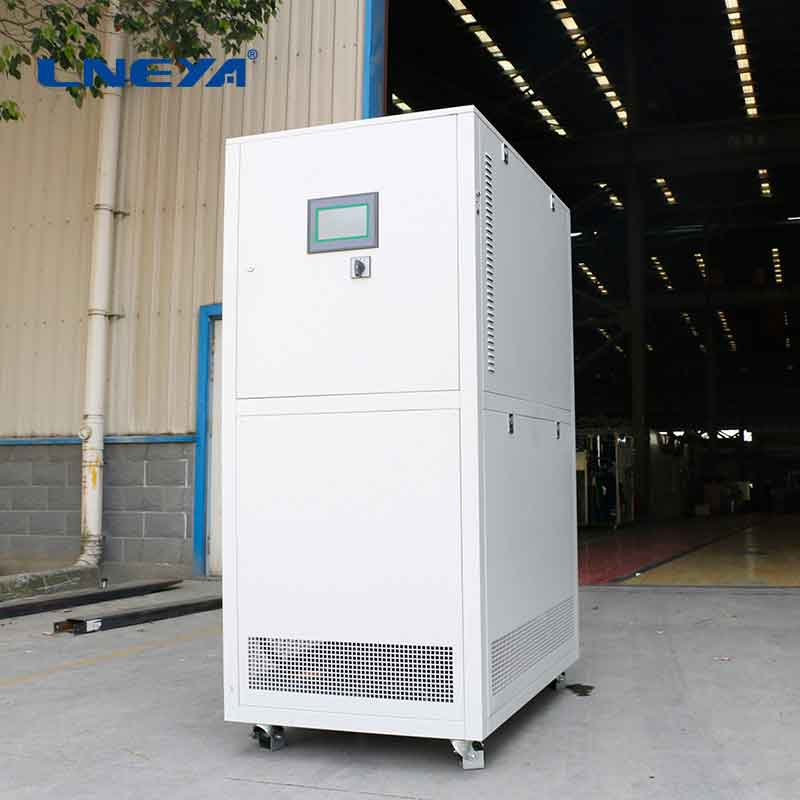
Commercial Buildings: They are commonly used in office buildings, malls, hotels, and hospitals for HVAC systems.
Industrial Processes: They are essential in processes that require precise temperature control, such as in the pharmaceutical and food processing industries.
Data Centers: Air-cooled chillers help maintain optimal temperatures for server rooms, ensuring the reliability and efficiency of data center operations.
Benefits of Air-Cooled Chillers
The benefits of air-cooled chillers include:
Lower Maintenance: They require less maintenance compared to water-cooled chillers, as they do not involve water treatment or cooling towers.
Simpler Installation: They are easier to install, especially in areas where water sources are limited or where the installation of cooling towers is not feasible.
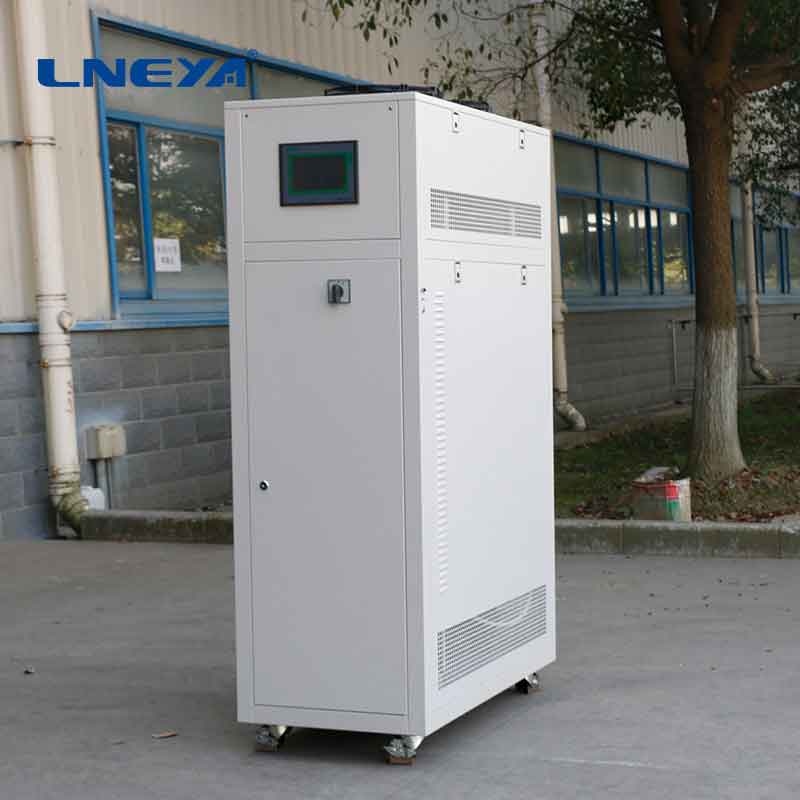
Energy Efficiency: Modern air-cooled chillers are designed to be energy-efficient, with some models offering advanced controls and smart features for optimal performance.
Differences Compared to Water-Cooled Chillers
While both air-cooled and water-cooled chillers serve the same purpose, they differ in their methods of heat rejection:
Air-Cooled Chillers: Use ambient air and fans to dissipate heat, making them suitable for areas with limited water resources or where the installation of cooling towers is not possible.
Water-Cooled Chillers: Utilize water from a cooling tower or water source to dissipate heat, offering higher efficiency and larger cooling capacities but requiring more maintenance and a more complex installation.
In conclusion, air-cooled chillers provide a reliable and efficient cooling solution for a variety of applications. Their simplicity, low maintenance, and energy efficiency make them an attractive option for many commercial and industrial settings. Understanding the working principle, applications, and benefits of air-cooled chillers is crucial for selecting the appropriate cooling system for specific needs.
This content is copyrighted by LNEYA. If there is any infringement, please contact email: Lilia@lneya.com
The prev: chiller 120 kwThe next: difference between air cooled chiller and water cooled chiller
Related recommendations

glycol air cooler
598Glycol Air Cooler: Efficient Low-Temperature Cooling Systems Glycol air coolers are specialized HVAC units designed to cater to cooling needs in environments where temperatures may drop signifi...
View detailschiller capacity unit
360Chiller Capacity Units: A Comprehensive ExplanationIn the realm of cooling technology, accurately measuring chiller capacity is fundamental for the design, operation, and maintenance of cooling s...
View detailswater bath cooling system
417Introduction to Water Bath Cooling SystemsWater bath cooling systems are vital in scientific laboratories and industrial processes where low temperatures are required for maintaining samples or co...
View detailscompression chillers
522Compression Chillers: An In-Depth Analysis Definition of Compression ChillersCompression chillers are mechanical systems that use the vapor compression refrigeration cycle to transfer heat from...
View details




HelloPlease log in