 LNEYA Chiller

industrial chiller units for sale
Industrial Chiller Units for Sale: An In-Depth Overview
Industrial chiller units are indispensable in numerous industries for maintaining optimal temperatures in processes such as chemical processing, food and beverage production, and HVAC systems. With a variety of chiller units available for sale, it’s essential to understand the different types and their applications to make an informed purchase.
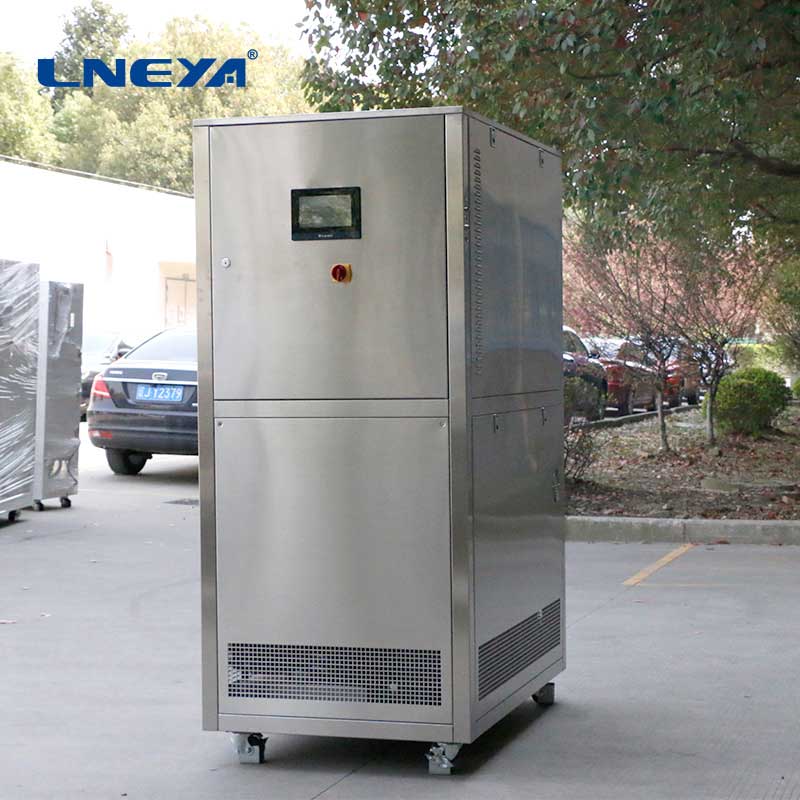
Types of Industrial Chiller Units
Air-Cooled Chillers: These chillers use ambient air to dissipate heat and are suitable for areas where water scarcity is a concern. They are typically easier to install and maintain but may not be as efficient as water-cooled chillers in larger applications.
Water-Cooled Chillers: More efficient for larger cooling loads, water-cooled chillers use water from an external source, such as a cooling tower, to dissipate heat. They are commonly used in commercial buildings, data centers, and industrial processes.
Evaporative Condensed Chillers: These chillers combine elements of air and water cooling, using the evaporation of water to enhance the cooling process. They are energy-efficient and environmentally friendly but may not perform as well in humid conditions.
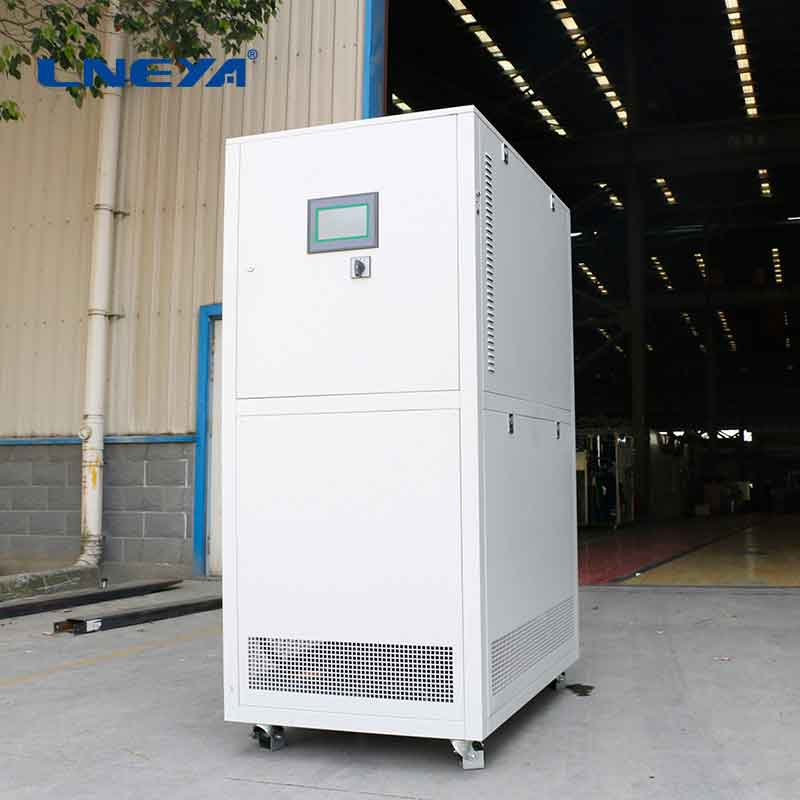
Applications of Industrial Chiller Units
Chemical Processing: Chillers are used to maintain precise temperatures for chemical reactions, ensuring product quality and safety.
Food and Beverage Industry: They are essential for cooling liquids like milk or juice and for keeping food products fresh.
Medical Applications: Chillers maintain optimal temperature levels for sensitive medical equipment like MRI machines and CT scanners.
HVAC Systems: Chillers are critical components in various industrial and commercial applications, providing air conditioning or process cooling.
Factors to Consider When Purchasing Industrial Chiller Units
Cooling Capacity: The chiller must be capable of meeting the cooling demands of the process.
Energy Efficiency: Chillers with high energy efficiency can reduce operational costs and environmental impact.
Environmental Impact: Consider chillers that use low Global Warming Potential (GWP) refrigerants to minimize the environmental footprint.
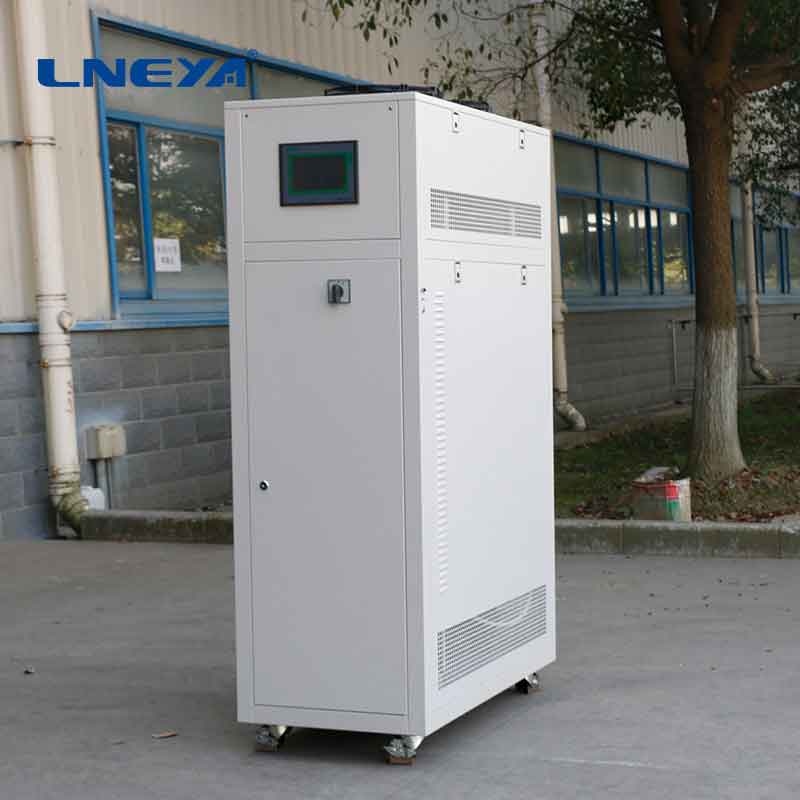
Maintenance Requirements: Choose chillers that are low-maintenance and have a reliable track record for long-term operation.
Price Comparison: Compare the costs of different chiller units, considering not only the initial purchase price but also the operational and maintenance costs over time.
Conclusion
When purchasing industrial chiller units, it’s crucial to consider the type of chiller, its applications, and the factors that affect its performance and efficiency. By understanding the different types of chillers available and their specific uses, buyers can select the most appropriate unit for their industrial process, ensuring optimal temperature control and energy efficiency.
This content is copyrighted by LNEYA. If there is any infringement, please contact email: Lilia@lneya.com
The prev: industrial process electric heatersThe next: air cooled glycol chiller
Related recommendations

hot water chiller system
594Hot Water Chiller Systems: Efficiency and Applications Hot water chiller systems are a type of HVAC technology that uses hot water as the driving energy source for cooling and heating applicati...
View detailsHow to solve the high pressure of semiconductor chiller compressor?
1301How to solve the high pressure of semiconductor chiller compressor? Firstly, the basic approach to solving the high-pressure problem of semiconductor cooler compressors is to identify t...
View detailsWorking Principle and Characteristics of Air-cooled Chiller and Water-cooled Chiller
1732Working Principle and Characteristics of Air-cooled Chiller and Water-cooled Chiller In the refrigeration industry, chillers can be divided into air-cooled chillers and water-cooled chillers....
View detailschillers water
427Water Chillers: Definition and ImportanceA water chiller is a refrigeration system that reduces the temperature of machinery, industrial spaces, and process fluids by removing heat from the proces...
View details



HelloPlease log in