 LNEYA Chiller

chiller function
Understanding Chiller Function: The Core of Industrial Cooling Systems
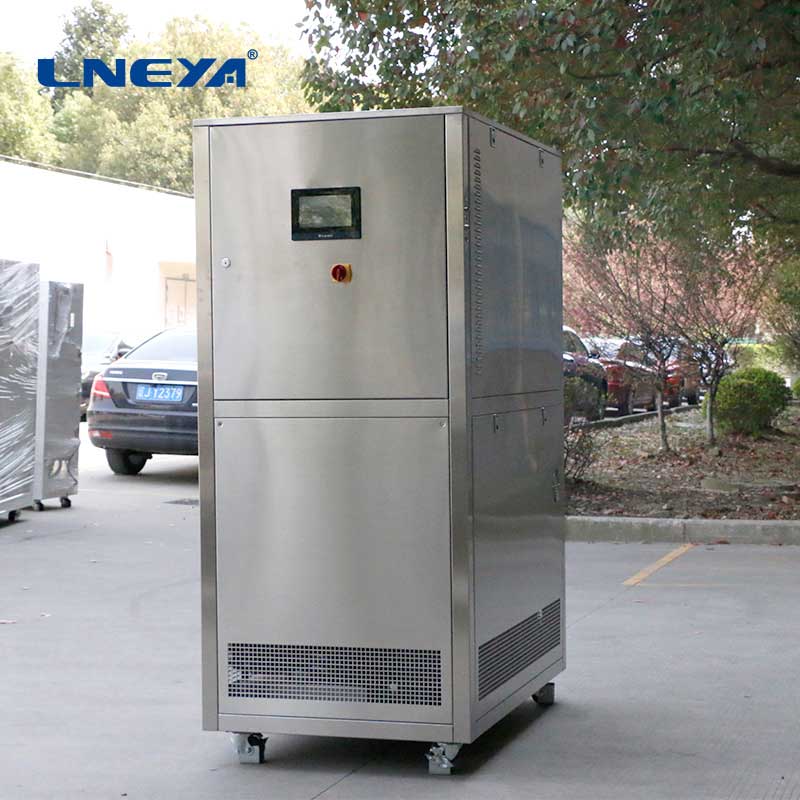
Chillers are vital components in many industrial and commercial cooling systems, providing precise temperature control for processes and environments. The primary function of a chiller is to transfer heat from a process fluid or space to be cooled to a refrigerant, thereby providing cooling. This is achieved through a series of processes involving the compression, condensation, expansion, and evaporation of the refrigerant.
Basic Principles of Chiller Function
The basic principles of chiller function involve the following steps:
Compression: The refrigerant, in its low-pressure, low-temperature vapor state, is compressed by a compressor, increasing its temperature and pressure.
Condensation: The high-pressure, high-temperature refrigerant vapor is then cooled in a condenser, typically by air or water, causing it to condense into a high-pressure liquid.
Expansion: The high-pressure liquid refrigerant is then allowed to expand through an expansion valve, reducing its pressure and temperature.
Evaporation: The low-pressure, low-temperature refrigerant liquid absorbs heat from the process fluid or space being cooled, evaporating it back into a vapor and providing the cooling effect.
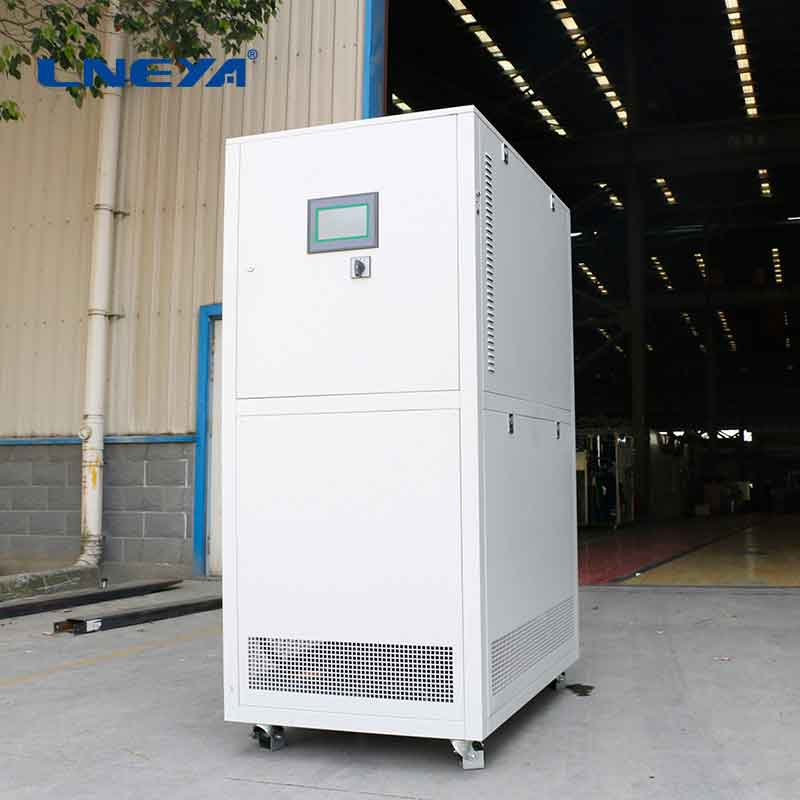
This cycle repeats continuously, with the chiller’s control system regulating the flow of refrigerant and other parameters to maintain the desired cooling output.
Types of Chillers and Their Functions
Chillers come in various types, each designed for specific applications and cooling capacities:
Air-Cooled Chillers: These chillers use ambient air to dissipate heat from the condenser, making them suitable for applications where water supply is limited or where water discharge is a concern.
Water-Cooled Chillers: These chillers use water circulated through a cooling tower or heat exchanger to dissipate heat, making them more efficient in warmer climates and suitable for larger cooling capacities.
Screw Chillers: These chillers use a screw compressor, which is suitable for larger cooling capacities and provides high efficiency and reliability.
Scroll Chillers: These chillers use a scroll compressor, which is quieter and more energy-efficient than reciprocating compressors, making them suitable for applications where noise levels need to be low.
Applications of Chillers
Chillers are used in a wide range of applications, including:
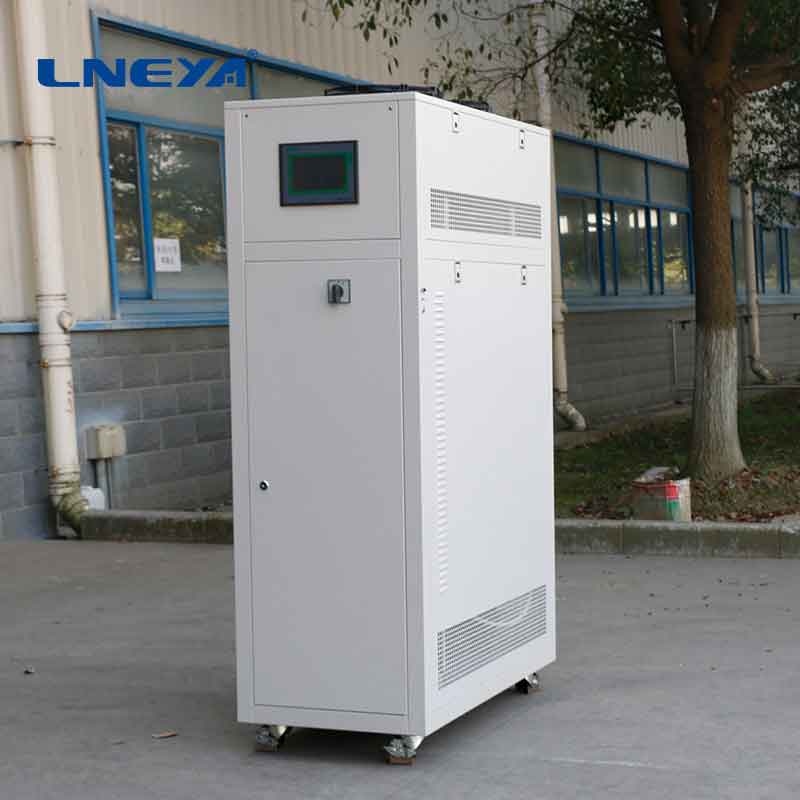
Industrial Processes: In industries such as plastics, food and beverage, and pharmaceuticals, chillers are essential for cooling machinery and processes to maintain optimal operating temperatures.
HVAC Systems: Chillers are used in heating, ventilation, and air conditioning systems to provide cooling for commercial buildings, ensuring a comfortable environment for occupants.
Data Centers: These facilities require precise temperature control to prevent overheating of sensitive electronic equipment. Chillers offer a reliable solution for maintaining cool operating conditions.
Market Trends and Growth
The global market for chillers is expected to grow due to increasing demand for energy-efficient cooling solutions, the need for precise temperature control in various industries, and advancements in technology. Key players in the market are adopting strategies like product launches, business expansions, and agreements to strengthen their market positions.
Conclusion
Chillers function by transferring heat from a process fluid or space to be cooled to a refrigerant, thereby providing cooling. This essential function is achieved through a series of processes involving the compression, condensation, expansion, and evaporation of the refrigerant. With the growing market for chillers and advancements in technology, there is an increasing focus on energy efficiency and sustainability, making it an excellent time to invest in these essential cooling solutions. Understanding the basic principles of chiller function and their applications is crucial for selecting the right chiller for a specific application and ensuring optimal performance.
This content is copyrighted by LNEYA. If there is any infringement, please contact email: Lilia@lneya.com
The prev: chiller capacityThe next: chilled water system design
Related recommendations

air cooled chillers australia
861Air Cooled Chillers in Australia: Technology and ApplicationsAir cooled chillers play a vital role in Australia's industrial and commercial sectors by providing precise temperature control for pro...
View detailsprocess chillers canada
560Process Chillers in Canada: Efficiency and Sustainability Process chillers play a critical role in maintaining optimal temperatures in various industries across Canada. These chillers are essen...
View detailschilled water chiller
288Chilled Water ChillersChilled water chillers play a pivotal role in maintaining optimal temperatures across a wide range of applications. They are designed to cool water, which is then circulated...
View detailshot water chiller system
825A hot water chiller system is a versatile component of the Heating, Ventilation, and Air Conditioning (HVAC) industry, designed to maintain optimal temperatures in various environments. These syst...
View details




HelloPlease log in