 LNEYA Chiller

compression chillers
Compression Chillers: An In-Depth Analysis
Definition of Compression Chillers
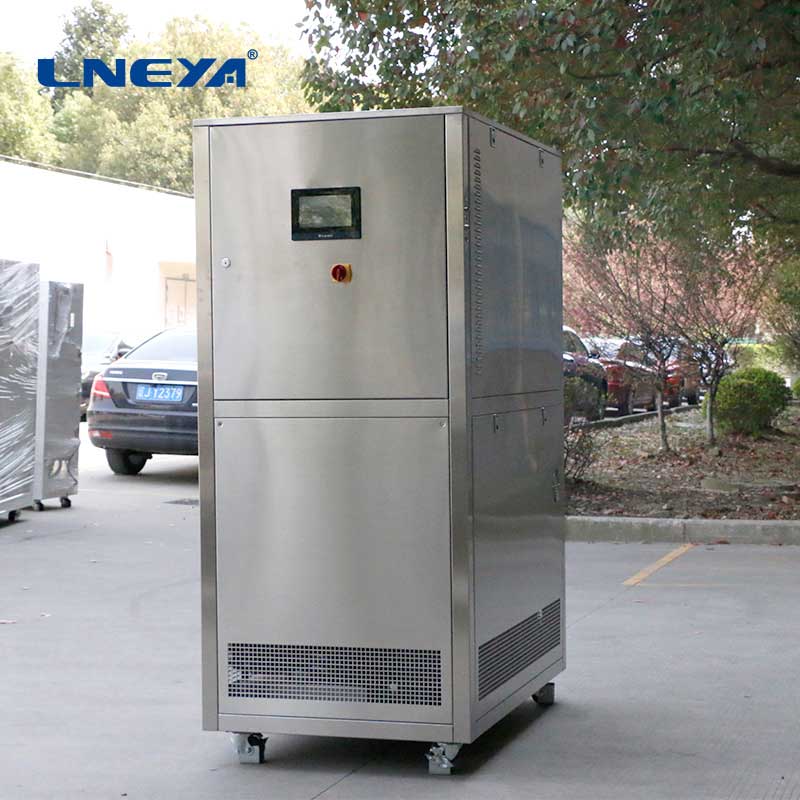
Compression chillers are mechanical systems that use the vapor compression refrigeration cycle to transfer heat from a cooler place to a warmer one. They are commonly used in air conditioning and industrial cooling processes. The cycle involves four main processes: compression, condensation, expansion, and evaporation.
Working Principles of Compression Chillers
The operation of a compression chiller begins with a low-pressure refrigerant entering the evaporator, where it absorbs heat and evaporates. The gaseous refrigerant then moves to the compressor, which increases its pressure and temperature. The high-pressure refrigerant then enters the condenser, where it releases heat, typically to the atmosphere or a cooling tower. Finally, the refrigerant passes through an expansion valve, which reduces its pressure, and returns to the evaporator to start the cycle anew.
Applications of Compression Chillers
Compression chillers are used in a variety of applications due to their ability to provide precise temperature control. They are commonly found in commercial buildings for air conditioning, in industrial processes for maintaining optimal temperatures, and in data centers for cooling servers. They are also used in the food and beverage industry for refrigeration and freezing, in healthcare for medical equipment cooling, and in the chemical industry for process cooling.
Market Trends in Compression Chillers
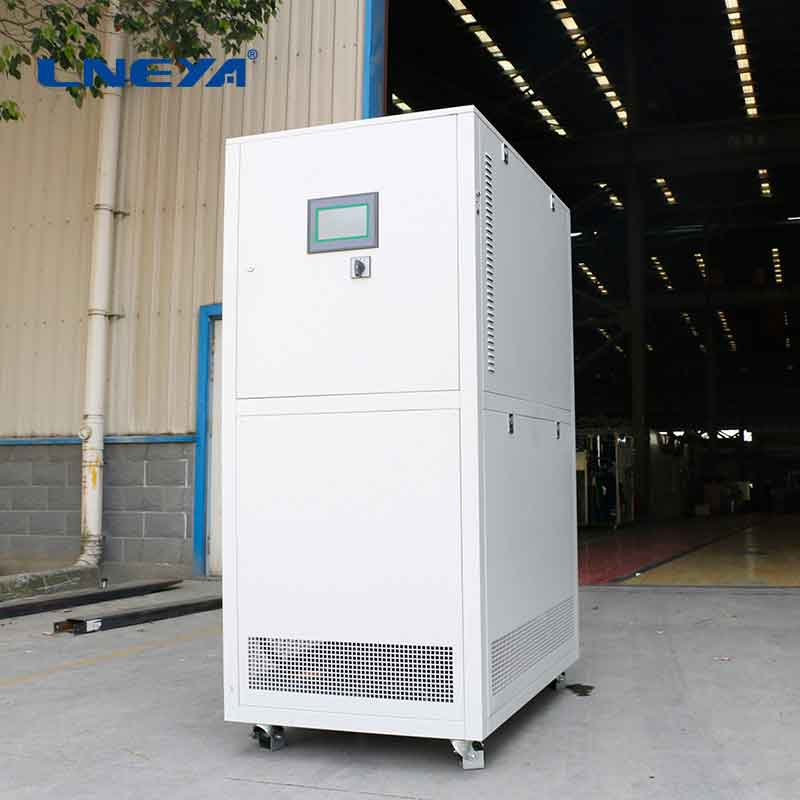
The market for compression chillers is growing due to increasing demand from various industries and the need for more energy-efficient and environmentally friendly cooling solutions. There is a trend towards using natural refrigerants with low global warming potential (GWP) and the development of more efficient compressor technologies, such as variable speed drives, to improve energy performance.
Energy Efficiency of Compression Chillers
The energy efficiency of compression chillers is a critical factor, with many systems now incorporating variable speed drives for the compressors to match the horsepower consumed to the amount of refrigerant required. This feature allows for significant energy savings compared to constant speed motors. Additionally, the use of thermal storage systems can shift energy usage from peak to off-peak periods, further improving efficiency.
Sustainability of Compression Chillers
The sustainability of compression chillers is increasingly important, with a focus on reducing the environmental impact of refrigerants used. There is a global shift towards using low-GWP refrigerants, such as natural refrigerants, and the phasing out of high-GWP refrigerants. Chillers are also being designed to be more energy-efficient, reducing their carbon footprint and aligning with environmental sustainability goals.
Technological Advancements in Compression Chillers
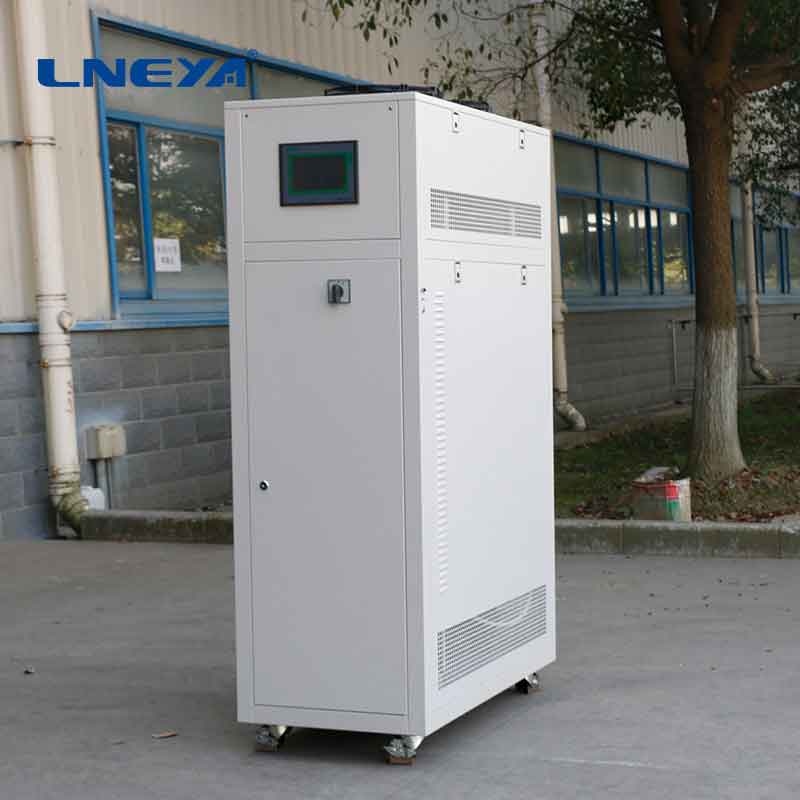
Technological advancements in compression chillers include the development of more efficient compressors, improved control systems, and the integration of renewable energy sources. For example, some chillers are now designed to be partly or entirely powered by photovoltaic (PV) panels or other renewable energy sources, reducing their reliance on grid electricity.
Comparison of Different Types of Chillers
Compression chillers can be compared to other types of chillers, such as absorption chillers, in terms of efficiency and environmental impact. Absorption chillers, which use heat rather than mechanical energy to drive the refrigeration cycle, can be more energy-efficient in applications where waste heat is available. However, compression chillers are generally more versatile and can provide more precise temperature control.
Conclusion
Compression chillers play a vital role in providing cooling for a variety of applications. As technology advances and environmental regulations tighten, there is a clear trend towards more energy-efficient and sustainable systems. Understanding the different types, working principles, and market trends of compression chillers is crucial for selecting the most appropriate and environmentally friendly solution for any given application.
This content is copyrighted by LNEYA. If there is any infringement, please contact email: Lilia@lneya.com
The prev: chilling machineThe next: cool and heat
Related recommendations

Advantages of Refrigeration Heating Systems
1406Advantages of Refrigeration Heating Systems The main function of the refrigeration heating system is to control the temperature by heating and cooling, and maintain the temperature stability...
View detailswater cooler system
357IntroductionWater cooler systems, also known as cooling water systems, play a pivotal role in various industries and everyday applications. Their primary function is to dissipate heat generated b...
View details3 ton chiller price
667Understanding the Pricing of 3-ton Water Chillers Water chillers are essential for various industrial and commercial applications, including air conditioning, refrigeration systems, and process...
View detailswater cooled chiller package
582Water Cooled Chiller Package: A Complete Guide Water-cooled chiller packages are versatile and efficient cooling solutions that offer numerous benefits for a wide range of applications. These p...
View details




HelloPlease log in