 LNEYA Chiller

air cool chiller
Introduction to Air-Cool Chillers
Air-cooled chillers are integral to modern cooling systems, particularly in regions where water scarcity is a concern. They operate on the thermodynamic vapor compression cycle, using ambient air to dissipate heat rather than water in cooling towers. This makes them suitable for a wide range of applications, from commercial buildings to industrial processes.
Principles of Air-Cool Chillers
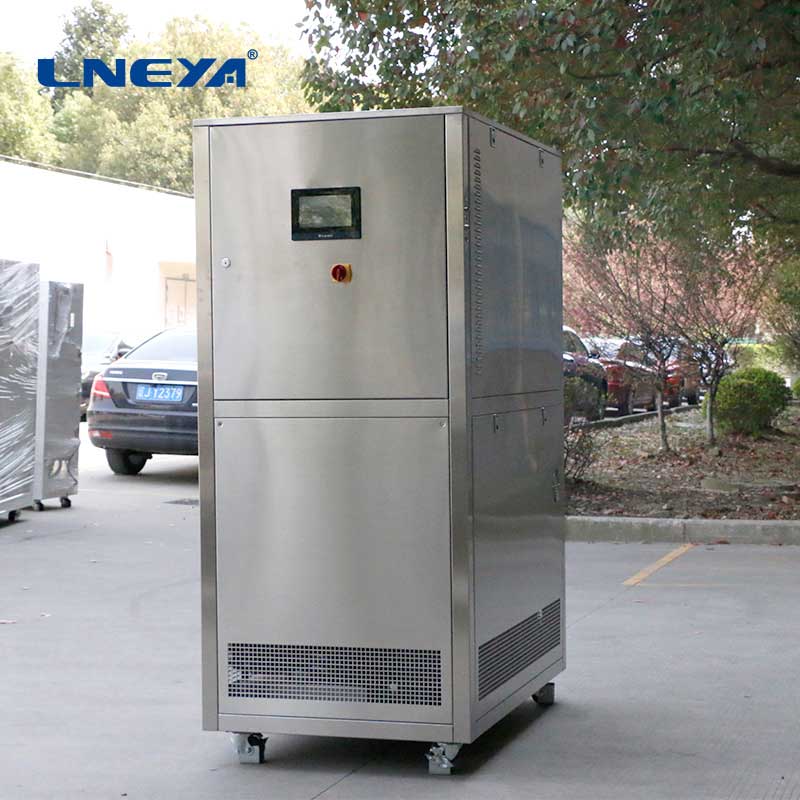
The operation of air-cooled chillers involves a compressor, an evaporator, a condenser, and an expansion valve. The compressor moves the refrigerant through the system, where it absorbs heat in the evaporator and releases it in the condenser, cooled by fans. This principle makes air-cooled chillers efficient in transferring heat from one medium to another, thereby cooling the desired space or process.
Types of Air-Cool Chillers
Air-cooled chillers come in various types, including single-package and split systems. Single-package units house all components in one cabinet, while split systems separate the condenser from the main unit. These chillers can be further classified based on compressor types, such as screw, reciprocating, scroll, rotary, and centrifugal.
Applications of Air-Cool Chillers
Air-cooled chillers are used in diverse industries due to their adaptability and efficiency:
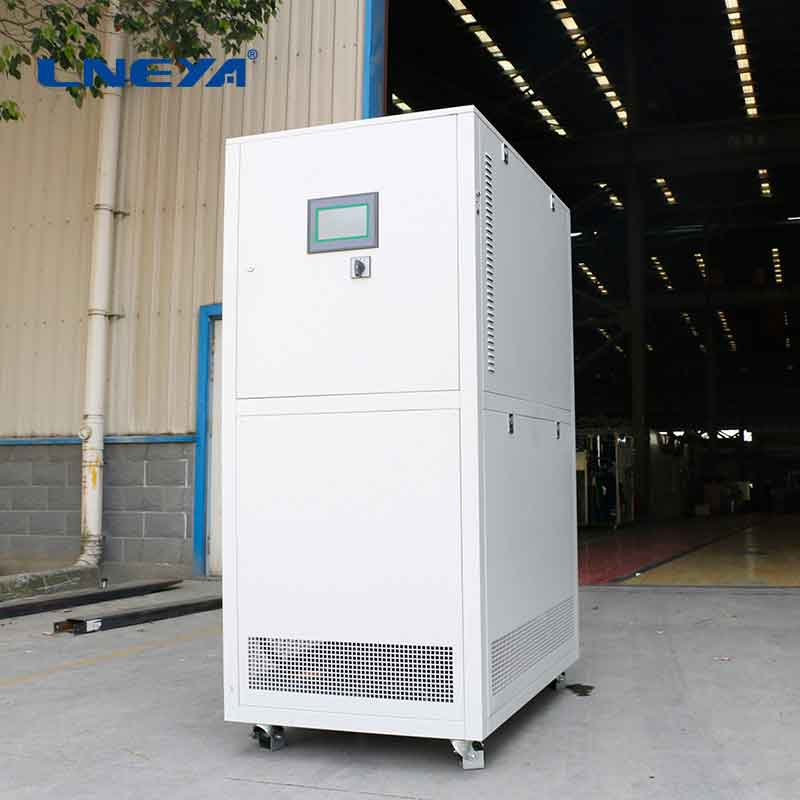
Commercial Buildings: They maintain comfortable temperatures in malls, offices, and public spaces, enhancing occupant well-being and infrastructure preservation.
Industrial Processes: In manufacturing and processing facilities, air-cooled chillers manage heat generated by machinery and processes, ensuring equipment efficiency and product quality.
Data Centers: They maintain optimal server temperatures, preventing overheating, system failures, and extending equipment longevity.
Food and Beverage Industry: Chillers are crucial for temperature control in food processing, storage, and quality preservation.
Efficiency of Air-Cool Chillers
Air-cooled chillers are less efficient than water-cooled models, with an energy efficiency of approximately 1.00 kW/ton, compared to the double efficiency of water-cooled models. However, advancements in technology are improving their efficiency, making them more competitive in the market.
Safety Considerations
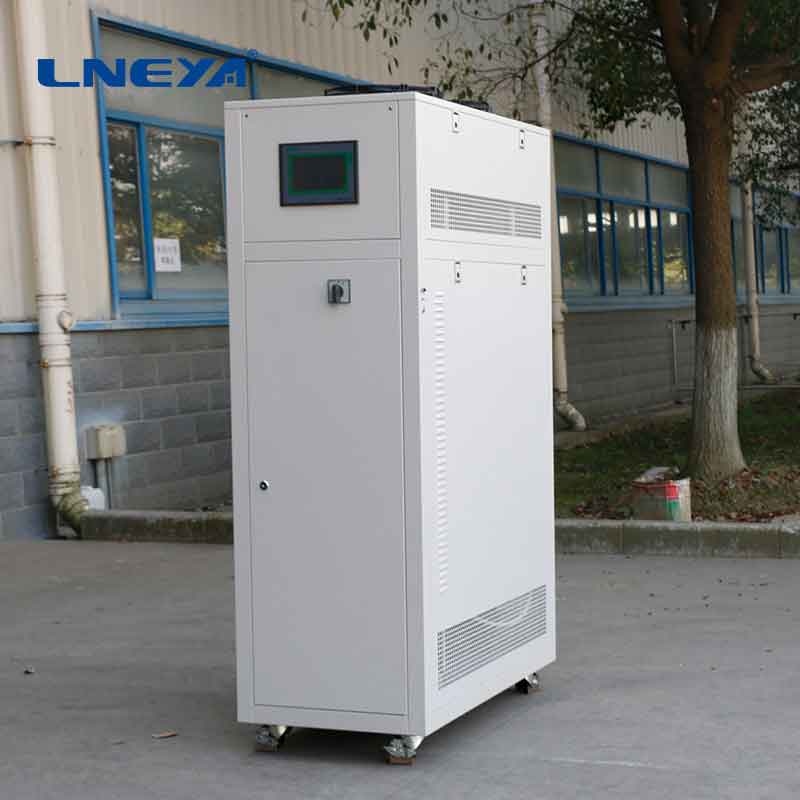
Safety is a critical aspect of air-cooled chiller operation. These systems must be designed and maintained to prevent accidents such as fires or carbon monoxide poisoning. Regular inspections and adherence to safety standards are essential.
Market Trends and Technological Advancements
The market for air-cooled chillers is evolving with a focus on energy efficiency and sustainability. There is a growing trend towards the use of renewable energy sources and hybrid systems that can respond flexibly to changing energy demands. Technological advancements include the development of more efficient heat pumps, the use of phase change materials for thermal storage, and the integration of smart controls for optimal system performance.
Conclusion
Air-cooled chillers play a significant role in temperature control across various industries. Their ability to dissipate heat using ambient air makes them suitable for regions with water scarcity and contributes to energy efficiency and sustainability efforts. As technology continues to advance, the efficiency and capabilities of air-cooled chillers will continue to improve, meeting the growing demands of diverse industries.
This content is copyrighted by LNEYA. If there is any infringement, please contact email: Lilia@lneya.com
The prev: water chilling systemsThe next: chill water system
Related recommendations

closed cycle cryocooler
205Introduction to Closed Cycle Cryocoolers Closed cycle cryocoolers (CCCs) are specialized thermal management systems engineered to generate and sustain temperatures far below ambient, typically...
View detailswater cooler temperature control
529The Importance of Temperature Control in Water CoolersPerformance Optimization: In industrial applications, water coolers are often used to cool down machinery. Maintaining the right temperature e...
View detailsheat recovery air cooled chiller
760Introduction to Heat Recovery Air Cooled Chillers Heat recovery air cooled chillers are innovative HVAC systems that not only cool spaces but also recover waste heat, providing hot water for va...
View detailsrefrigerant cooling system
448Refrigerant Cooling System: An In-Depth Analysis Definition of Refrigerant Cooling SystemA refrigerant cooling system is a closed-loop system that uses a refrigerant as the primary medium for h...
View details




HelloPlease log in