 LNEYA Chiller

air cooled and water cooled chillers
Understanding Air-Cooled and Water-Cooled Chillers
In the realm of heating, ventilation, and air conditioning (HVAC) systems, chillers play a pivotal role in maintaining comfortable and controlled environments. Chillers come in various configurations, with air-cooled and water-cooled systems being the most prevalent. Both serve to remove heat from an area or process and transfer it elsewhere, but they do so in fundamentally different ways.
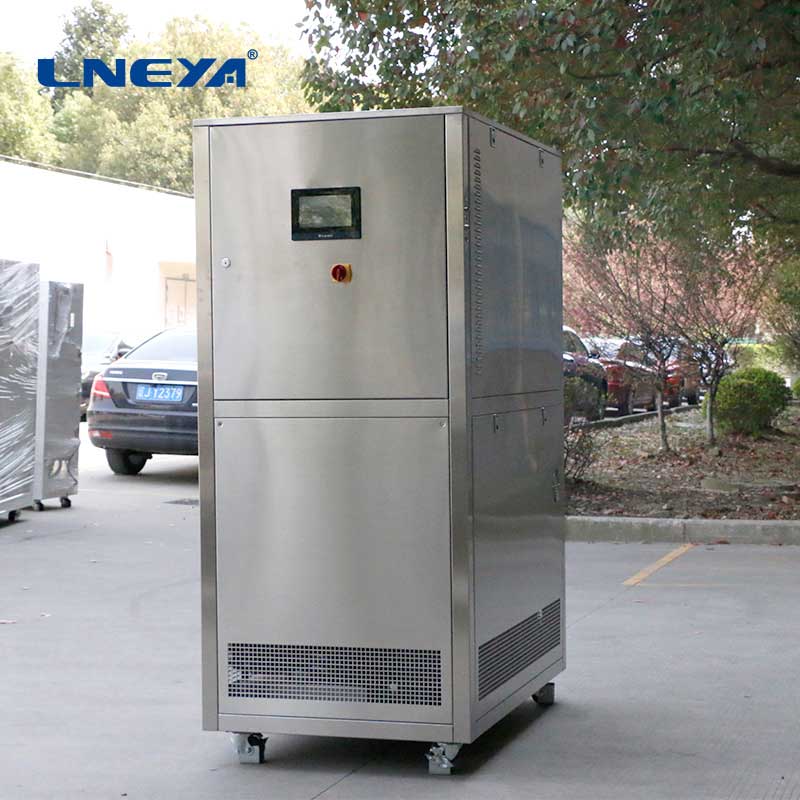
Key Differences Between Air-Cooled and Water-Cooled Chillers
Heat Rejection Method:
Air-Cooled Chillers: These systems use air as the medium for heat rejection. They employ fans to dissipate heat from the condenser coils directly into the atmosphere.
Water-Cooled Chillers: These systems use water to absorb heat from the condenser, which is then rejected to the atmosphere by a cooling tower or other water cooling methods.
Efficiency and Performance:
Air-Cooled Chillers: They are generally less efficient than water-cooled chillers, especially in hot climates where the temperature differential is smaller. However, they are simpler to install and maintain.
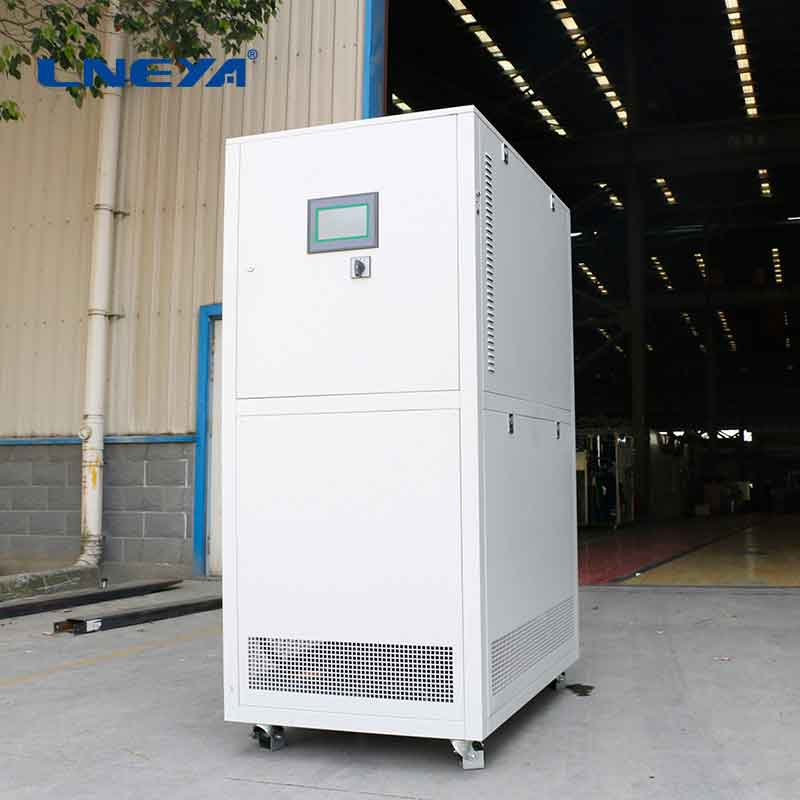
Water-Cooled Chillers: They are more efficient due to water’s higher heat absorption capacity compared to air. They perform well in high-temperature environments but require a cooling tower and a water treatment system to prevent scaling and corrosion.
Initial and Operating Costs:
Air-Cooled Chillers: They have lower initial costs due to the absence of a cooling tower and water management system. However, their operating costs can be higher due to less efficiency.
Water-Cooled Chillers: They have higher initial costs due to the need for a cooling tower and water management system. Despite this, their operating costs are generally lower due to higher efficiency.
Environmental Impact:
Air-Cooled Chillers: They do not consume water, which is beneficial in water-scarce regions. However, they can be noisier due to the operation of fans.
Water-Cooled Chillers: They require a significant amount of water, which can be a concern in water-scarce areas. However, they are generally quieter in operation.
Applications:
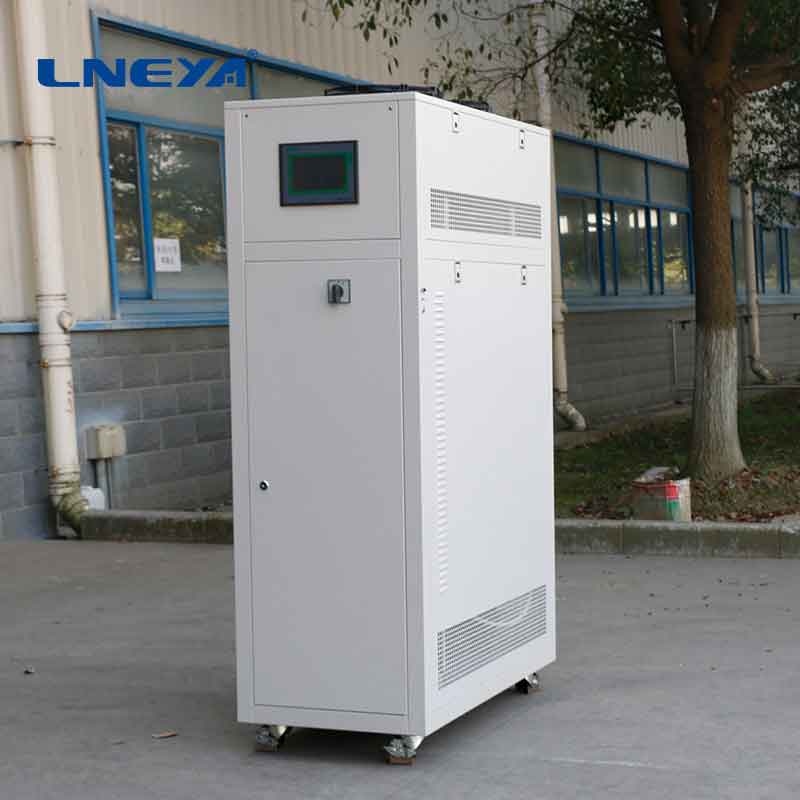
Air-Cooled Chillers: They are suitable for applications where space is limited, water is scarce, or the climate is moderate.
Water-Cooled Chillers: They are ideal for large-scale industrial applications, data centers, and facilities where high cooling loads are required.
Market Trends and Future Outlook
The global chiller market is evolving with a focus on energy efficiency and environmental sustainability. Both air-cooled and water-cooled chillers are seeing technological advancements that enhance performance and reduce environmental impact. For instance, the use of variable frequency drives (VFDs) in air-cooled chillers improves part-load efficiency, while water-cooled chillers are benefiting from advanced water treatment technologies to reduce water consumption and environmental impact.
Conclusion
The choice between air-cooled and water-cooled chillers depends on specific application requirements, climate conditions, and environmental considerations. Air-cooled chillers offer simplicity and lower initial costs, making them suitable for moderate climates and water-scarce regions. Water-cooled chillers, with their higher efficiency and quieter operation, are ideal for large-scale applications and hot climates. Understanding the operational differences, environmental impacts, and market trends of both types of chillers is essential for selecting the most appropriate cooling solution for any given scenario. As technology continues to advance, both air-cooled and water-cooled chillers will play a crucial role in meeting the cooling demands of a diverse range of industries while minimizing environmental impact.
This content is copyrighted by LNEYA. If there is any infringement, please contact email: Lilia@lneya.com
The prev: air cooled and water cooledThe next: air cooled chiller water cooled chiller
Related recommendations

compact chiller unit
449Key Features of Compact Chiller Units:Space-Saving Design: Ideal for tight installations. Energy-Efficient Operation: Optimized for low power consumption. Precision Cooling: Maintains stable...
View detailswater chilling systems
490Introduction to Water Chilling Systems Water chilling systems are central cooling systems that utilize chilled water as a medium to transfer heat away from spaces or equipment. The heart of the...
View detailslarge chillers
460Large chillers are integral to a wide range of sectors where significant amounts of heat need to be removed to maintain optimal operating conditions. These powerful cooling systems are not only re...
View detailschiller manufacturing company
559Chiller Manufacturing Company Chiller manufacturing companies play a pivotal role in today's industrial and commercial sectors by providing essential cooling solutions. These solutions are cruc...
View details




HelloPlease log in