 LNEYA Chiller

air cooled chiller water cooled chiller
Air-Cooled Chiller vs. Water-Cooled Chiller: A Comprehensive Comparison
Chillers are indispensable in maintaining comfortable temperatures in commercial buildings, industrial processes, and data centers. Two common types of chillers used for this purpose are air-cooled and water-cooled chillers. Each has its own set of advantages and disadvantages, making one more suitable for certain applications over the other. This article delves into the details of these chiller systems to help users make an informed decision.
Operational Principles
Air-Cooled Chillers:
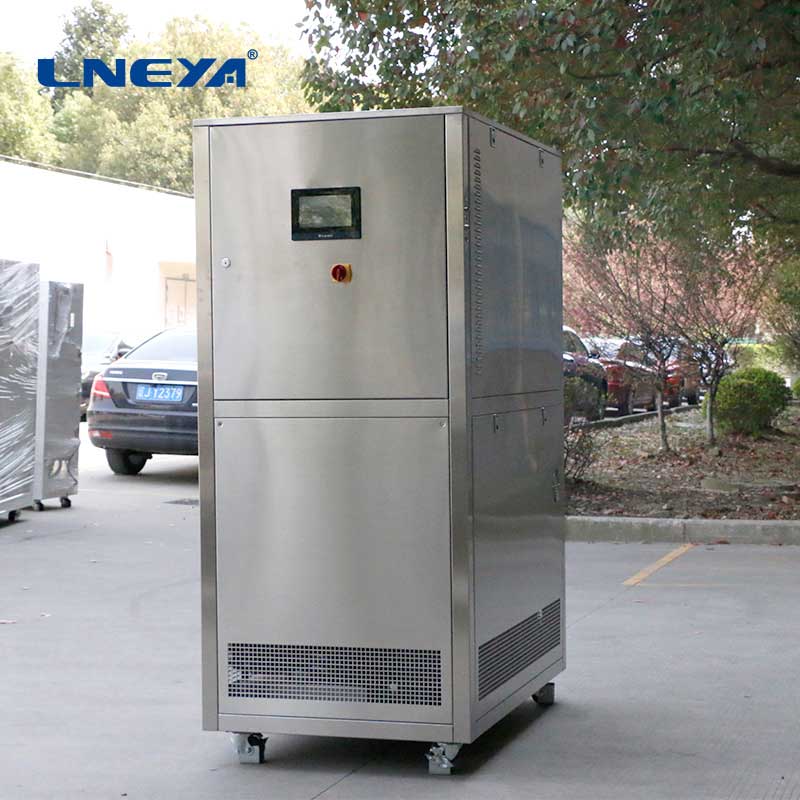
Air-cooled chillers use fans to dissipate heat directly into the atmosphere. They are compact, easy to install, and require minimal maintenance. The heat exchange occurs through air-cooled condensers, which are less affected by ambient temperatures compared to water-cooled counterparts.
Water-Cooled Chillers:
Water-cooled chillers rely on water circulation to transfer heat from the condenser to a cooling tower, where the heat is released into the atmosphere. They are more complex systems that require a continuous water supply and a cooling tower, but they offer higher efficiency and better performance in warmer climates.
Efficiency and Performance
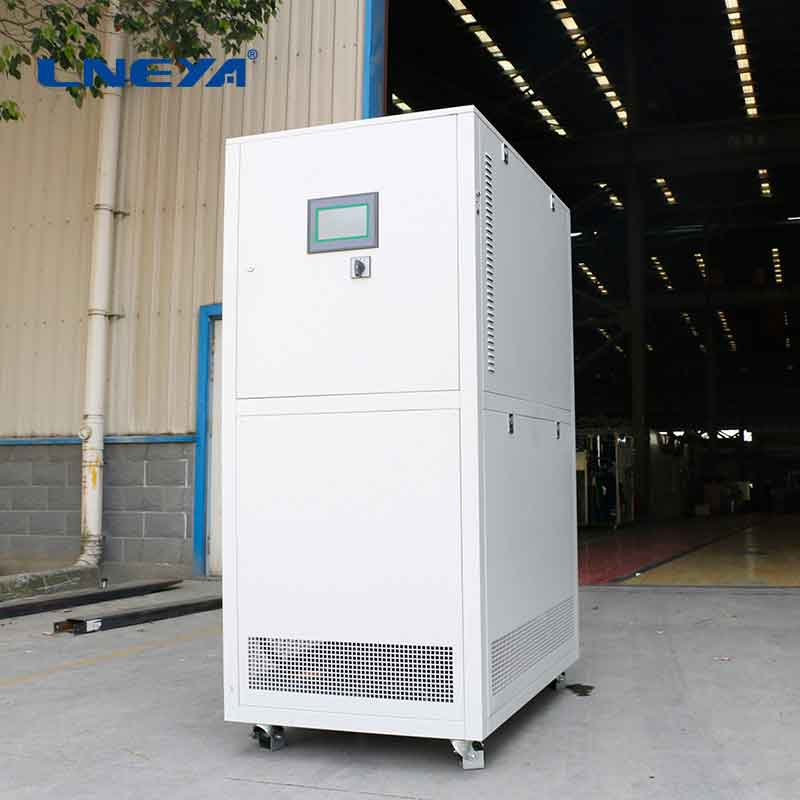
Efficiency: Water-cooled chillers are generally more efficient due to the higher heat transfer rate of water compared to air. They can operate effectively in a wider range of ambient temperatures, making them suitable for larger cooling loads.
Performance: Air-cooled chillers may suffer from reduced efficiency in hot climates, as their performance is more affected by outdoor temperatures. Water-cooled chillers, on the other hand, maintain consistent performance regardless of outdoor conditions.
Environmental Impact
Water Usage: Water-cooled chillers consume more water due to the need for a cooling tower, which can be a concern in areas with water scarcity. Air-cooled chillers do not use water for heat rejection, making them a more environmentally friendly option in such regions.
Noise Pollution: Air-cooled chillers can be noisier due to the operation of fans, which may contribute to noise pollution in certain areas.
Applications
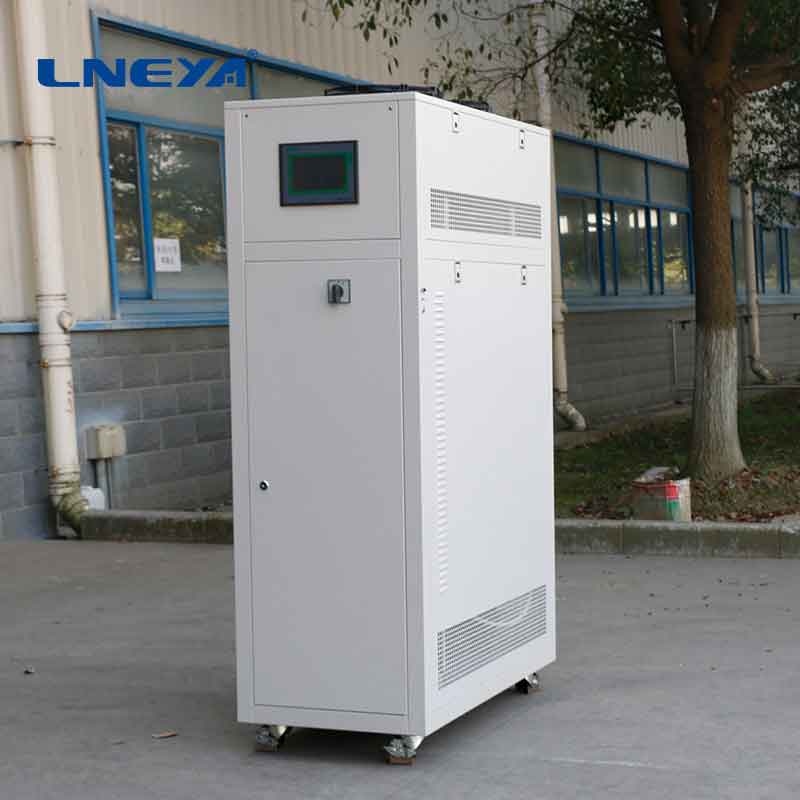
Air-Cooled Chillers: They are ideal for applications with limited space, areas with water scarcity, and regions with moderate climates. Their ease of installation and lower initial cost make them a popular choice for small to medium-sized buildings.
Water-Cooled Chillers: They are suitable for large-scale industrial applications, data centers, and facilities with high cooling demands. Their higher efficiency and consistent performance make them a preferred choice in warmer climates and large facilities.
Market Trends
The global chiller market is evolving with a focus on energy efficiency and environmental sustainability. Both air-cooled and water-cooled chillers are seeing technological advancements that enhance performance and reduce environmental impact. For instance, the use of variable frequency drives (VFDs) in air-cooled chillers improves part-load efficiency, while water-cooled chillers are benefiting from advanced water treatment technologies to reduce water consumption and environmental impact.
Conclusion
The decision between air-cooled and water-cooled chillers should be based on a variety of factors, including the specific application, climate conditions, initial and operating costs, and environmental considerations. Air-cooled chillers offer simplicity and lower initial costs, making them suitable for moderate climates and water-scarce regions. Water-cooled chillers, with their higher efficiency and quieter operation, are ideal for large-scale applications and hot climates. Understanding the operational differences, environmental impacts, and market trends of both types of chillers is essential for selecting the most appropriate cooling solution for any given scenario. As technology continues to advance, both air-cooled and water-cooled chillers will play a crucial role in meeting the cooling demands of a diverse range of industries while minimizing environmental impact.
This content is copyrighted by LNEYA. If there is any infringement, please contact email: Lilia@lneya.com
The prev: air cooled and water cooled chillersThe next: air cooler cooling temperature
Related recommendations

Chiller Classification and Analysis of Advantages and Disadvantages
1299Chiller Classification and Analysis of Advantages and Disadvantages Chillers have many titles in the industry, including chillers, industrial chillers, screw chillers, scroll chillers, compa...
View detailsportable air chiller
571Understanding Portable Air Chillers Definition of Portable Air Chillers Portable air chillers are self-contained, mobile refrigeration units designed to cool fluids and dehumidify air withou...
View details100 ton water cooled chiller
255IntroductionIn the world of high - capacity cooling systems, the 100 - ton water cooled chiller stands out as a crucial piece of equipment. With a cooling capacity equivalent to removing 1,200,00...
View detailstypes of temperature controller
527Types of Temperature ControllersTemperature controllers are essential devices used in a wide range of applications, from industrial processes to home appliances and scientific research. They are ...
View details



HelloPlease log in