 LNEYA Chiller

insulated chamber
Insulated Chamber: A Comprehensive Guide
Introduction
An insulated chamber is a critical tool in various industries and scientific fields, designed to maintain a stable internal environment by reducing heat exchange with the external surroundings. These chambers are essential for applications requiring precise control of temperature, humidity, and other environmental conditions. This article explores the design, working principles, types, and applications of insulated chambers, providing a detailed understanding of their role in modern technology and industry.
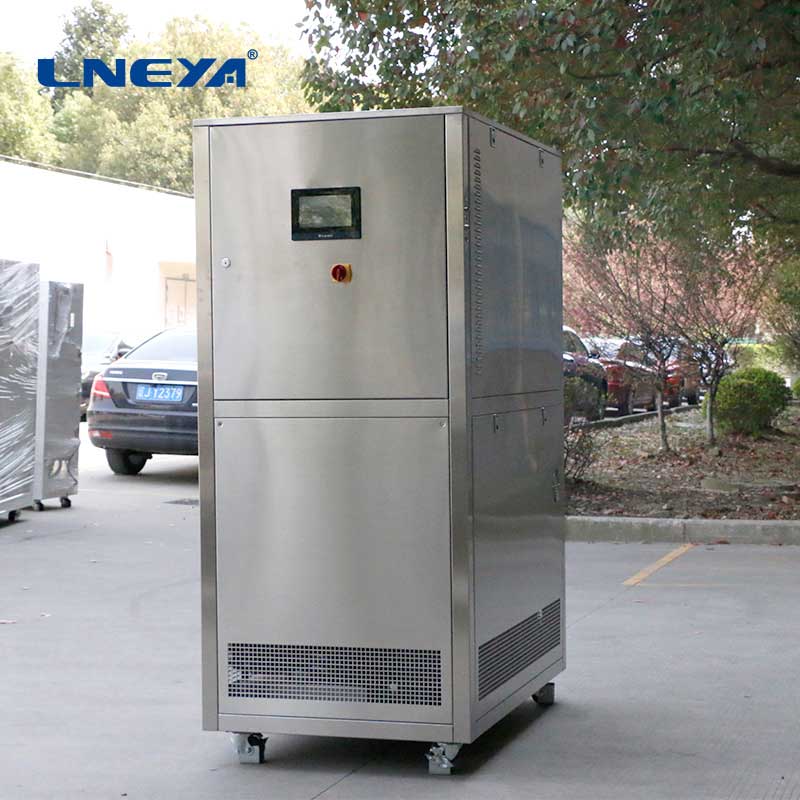
Design and Working Principles
Insulated chambers are constructed with materials that have low thermal conductivity to minimize heat transfer. The key components and principles include:
Insulation Materials:
Common insulation materials include fiberglass, polyurethane foam, polystyrene, and mineral wool. These materials are chosen for their low thermal conductivity and ability to withstand various environmental conditions.
Wall Construction:
The walls of an insulated chamber typically consist of multiple layers, including an inner lining, insulation layer, and outer shell. This multi-layer construction enhances thermal resistance and structural integrity.
Temperature Control Mechanisms:
Insulated chambers are equipped with heating, cooling, and humidity control systems to maintain the desired internal environment. These systems can include electric heaters, refrigeration units, and humidifiers or dehumidifiers.
Sealing and Airflow Management:
Proper sealing and airflow management are crucial to prevent heat exchange and maintain uniform conditions within the chamber. This includes the use of gaskets, seals, and fans to ensure consistent temperature and humidity levels.
Types of Insulated Chambers
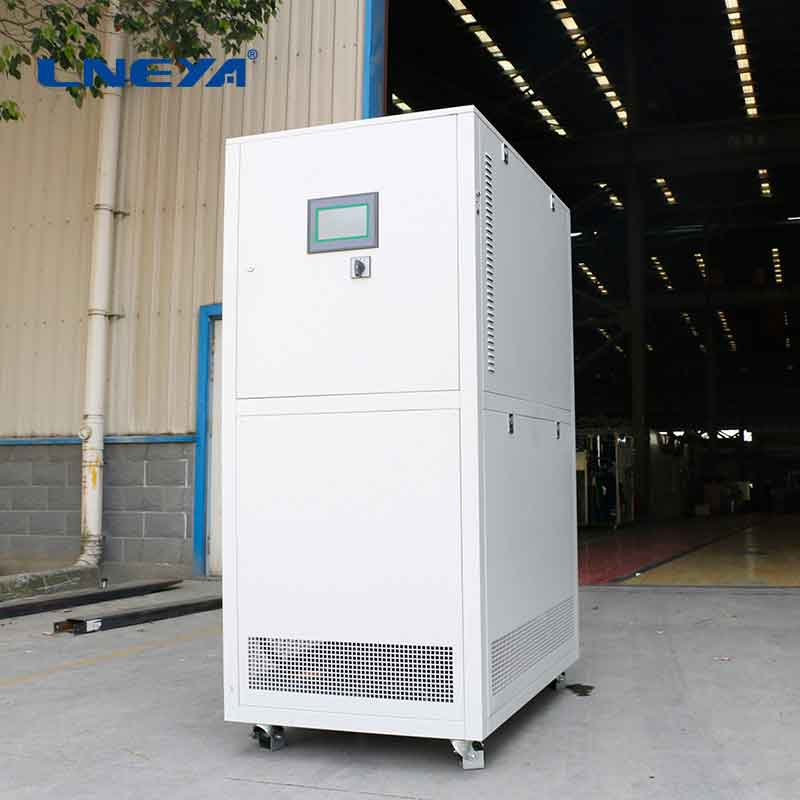
Environmental Chambers:
These chambers are used to simulate various environmental conditions, such as temperature, humidity, and light, for testing products and materials.
Cold Storage Chambers:
Designed for low-temperature storage, these chambers are used in industries like food and pharmaceuticals to preserve perishable goods.
Incubation Chambers:
Used in biological research and medical laboratories, these chambers provide controlled conditions for cell cultures, microbiological studies, and other sensitive applications.
Thermal Testing Chambers:
These chambers are used to test the thermal performance and durability of products, components, and materials under extreme temperature conditions.
Applications of Insulated Chambers
Pharmaceuticals:
Insulated chambers are used for drug stability testing, storage of temperature-sensitive medications, and research and development of new pharmaceutical products.
Food Storage:
In the food industry, insulated chambers are essential for preserving the quality and safety of perishable goods, such as fruits, vegetables, dairy products, and meats.
Environmental Testing:
These chambers are used to simulate environmental conditions for testing the durability and performance of products, such as electronics, automotive components, and construction materials.
Electronics Manufacturing:
Insulated chambers are used in the production and testing of electronic components, ensuring they can withstand various environmental conditions.
Benefits of Insulated Chambers
Precise Environmental Control:
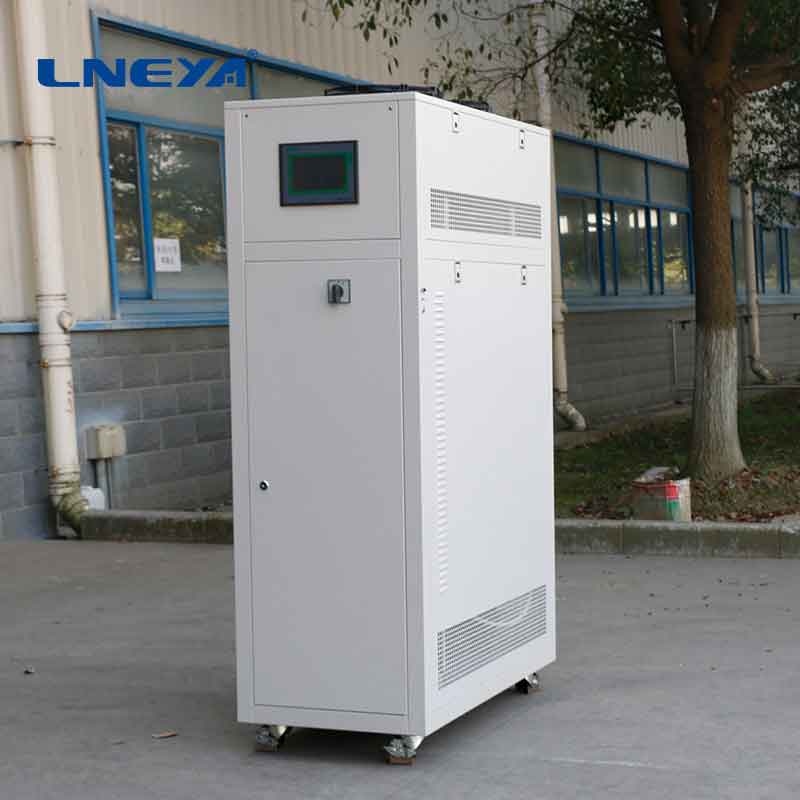
Insulated chambers provide accurate control of temperature, humidity, and other environmental conditions, ensuring consistent and reliable results.
Energy Efficiency:
The use of high-quality insulation materials and efficient temperature control systems reduces energy consumption and operational costs.
Versatility:
Insulated chambers can be customized to meet the specific needs of different applications, providing flexibility and adaptability.
Protection of Sensitive Materials:
These chambers protect sensitive materials and products from environmental fluctuations, ensuring their integrity and longevity.
Maintenance Tips
Regular Inspection:
Periodically inspect the chamber for signs of wear, damage, or degradation of insulation materials.
Cleaning:
Clean the interior and exterior surfaces regularly to prevent contamination and maintain efficient operation.
Calibration:
Calibrate temperature and humidity control systems regularly to ensure accurate and consistent performance.
Seal and Gasket Maintenance:
Check and replace seals and gaskets as needed to maintain proper sealing and prevent heat exchange.
Safety Considerations
Temperature Monitoring:
Continuously monitor the internal temperature to prevent overheating or excessive cooling, which can damage samples or equipment.
Proper Ventilation:
Ensure adequate ventilation to prevent the buildup of heat or humidity, especially when working with volatile substances.
Use of Protective Equipment:
Wear appropriate protective equipment, such as gloves and goggles, when handling samples or materials inside the chamber.
Factors to Consider When Selecting an Insulated Chamber
Temperature Range:
Choose a chamber with a temperature range that meets your specific needs, whether for high-temperature testing or low-temperature storage.
Size and Capacity:
Select a chamber with an appropriate size and capacity for your samples or products, ensuring it can handle the required volume.
Control Mechanisms:
Look for chambers with precise control mechanisms, such as digital controllers or programmable settings, for accurate environmental regulation.
Energy Efficiency:
Consider the energy efficiency of the chamber to reduce operational costs and environmental impact.
Conclusion
Insulated chambers are indispensable tools in various industries and scientific fields, providing precise control of environmental conditions for a wide range of applications. By understanding their design, working principles, and benefits, users can optimize the performance and longevity of these chambers for their specific needs. Whether in pharmaceuticals, food storage, environmental testing, or electronics manufacturing, insulated chambers offer reliable and efficient solutions for maintaining stable internal environments. Regular maintenance, safety considerations, and careful selection ensure optimal performance, making insulated chambers a valuable investment for any application requiring precise environmental control.
This content is copyrighted by LNEYA. If there is any infringement, please contact email: Lilia@lneya.com
The prev: hot and cold plateThe next: small thermal chamber
Related recommendations

air circulation heater
819Understanding Air Circulation Heaters Air circulation heaters play a vital role in various industrial processes where controlled heating of gases or fluids is required. These heaters are design...
View detailsliquid chillers portable units
310Portable liquid chiller units have emerged as a practical and flexible solution for various cooling needs. Unlike their larger, stationary counterparts, these compact chillers offer the convenienc...
View detailscool water system
270IntroductionCool water systems play a crucial role in various industrial and commercial applications by removing excess heat. This article provides a comprehensive overview of cool water systems,...
View detailschiller maintenance company
442What are Chiller Maintenance Companies?Chiller maintenance companies are specialized service providers in the mechanical and HVAC (Heating, Ventilation, and Air Conditioning) industry. Their prim...
View details




HelloPlease log in