 LNEYA Chiller

custom heaters
What are Custom Heaters?
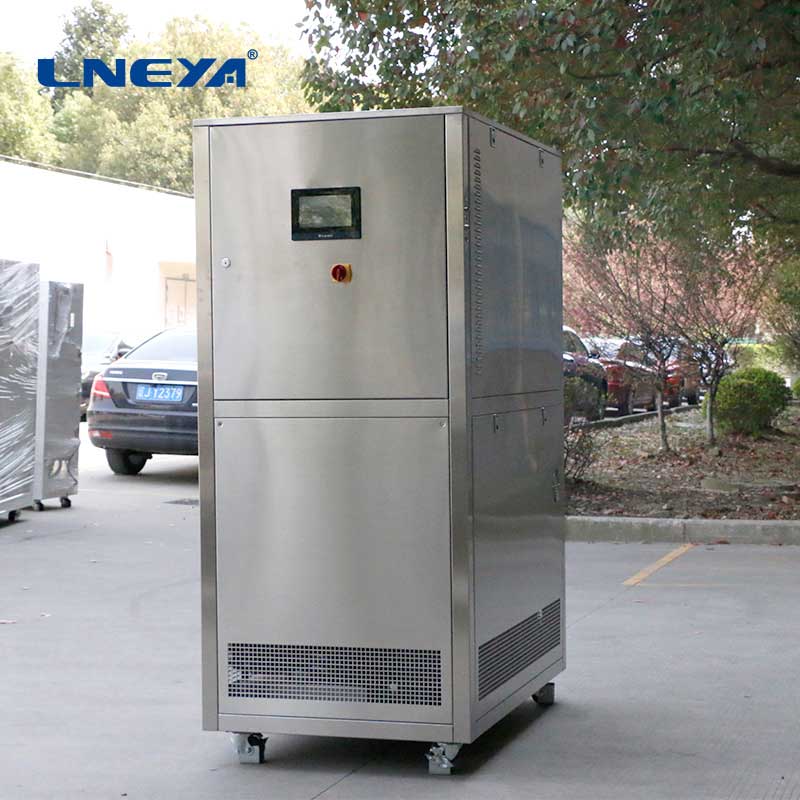
Custom heaters are heating devices engineered to meet specific operational requirements that standard heaters cannot fulfill. They are designed with unique specifications, such as size, shape, power output, and material compatibility, to ensure they perform effectively in specialized applications. Custom heaters are widely used in industries where precise temperature control and adaptability are critical.
How Do Custom Heaters Work?
The operation of custom heaters depends on their type and application, but the general working principle involves:
Heat Generation: The heater generates heat using electricity, gas, or other energy sources.
Heat Transfer: The heat is transferred to the target medium (air, liquid, or solid) through conduction, convection, or radiation.
Temperature Control: Advanced control systems regulate the temperature to ensure consistency and safety.
Application-Specific Design: The heater is tailored to fit the unique requirements of the process or environment.
Types of Custom Heaters
Custom Electric Heaters: Use electric heating elements and are ideal for applications requiring precise temperature control.
Custom Gas Heaters: Utilize natural gas or propane and are suitable for high-capacity heating needs.
Custom Immersion Heaters: Designed to heat liquids directly by being submerged in the medium.
Custom Radiant Heaters: Emit infrared radiation to heat objects or surfaces without heating the surrounding air.
Custom Process Heaters: Used in industrial processes to heat gases, liquids, or solids.
Design Considerations for Custom Heaters
Application Requirements: Understand the specific heating needs, including temperature range, heating medium, and environmental conditions.
Material Compatibility: Choose materials that are resistant to corrosion, high temperatures, and chemical reactions.
Power Output: Ensure the heater provides sufficient power to meet the heating demand.
Size and Shape: Design the heater to fit the available space and conform to the application’s geometry.
Safety Features: Incorporate safety mechanisms such as temperature sensors, overload protection, and fail-safes.
Applications of Custom Heaters
Custom heaters are used in a wide range of industries, including:
Manufacturing: Heating molds, dies, and machinery components.
Aerospace: Providing precise heating for aircraft components and testing environments.
Healthcare: Sterilizing medical equipment and maintaining controlled temperatures in laboratories.
Food Processing: Cooking, drying, and maintaining food temperatures during production.
Chemical Processing: Heating reactors, storage tanks, and pipelines.
Benefits of Using Custom Heaters
Tailored Solutions: Designed to meet specific requirements, ensuring optimal performance.
Energy Efficiency: Custom designs minimize energy waste, reducing operational costs.
Durability: Built with high-quality materials to withstand harsh conditions.
Precision: Advanced control systems ensure accurate temperature regulation.
Versatility: Suitable for a wide range of applications and industries.
Choosing the Right Custom Heater Manufacturer
When selecting a manufacturer for custom heaters, consider the following factors:
Experience and Expertise: Look for manufacturers with a proven track record in designing custom heating solutions.
Quality Standards: Ensure the manufacturer adheres to industry standards and certifications.
Customization Capabilities: Verify the manufacturer’s ability to design and produce heaters to your specifications.
Technical Support: Choose a manufacturer that offers comprehensive support, from design to installation and maintenance.
Reputation: Research customer reviews and case studies to gauge the manufacturer’s reliability.
Maintenance Tips for Custom Heaters
Regular maintenance is essential to ensure the longevity and efficiency of custom heaters. Key maintenance practices include:
Inspecting heating elements for wear and tear.
Cleaning surfaces to prevent dust and debris buildup.
Checking electrical connections and wiring for safety.
Monitoring temperature controls and recalibrating if necessary.
Scheduling professional inspections and servicing periodically.
Conclusion
Custom heaters are indispensable in industries where standard heating solutions cannot meet specific requirements. By understanding their working principles, types, and design considerations, you can select the right custom heater for your needs and ensure its optimal performance through proper maintenance. Whether for manufacturing, aerospace, healthcare, or food processing, custom heaters deliver precise, efficient, and reliable heating solutions tailored to your unique applications.
This content is copyrighted by LNEYA. If there is any infringement, please contact email: Lilia@lneya.com
The prev: modular chiller systemThe next: process cooling water system
Related recommendations

glycol coolant for chiller
550Glycol Coolant for Chiller In the realm of chiller systems, glycol coolant plays a crucial role in ensuring efficient and reliable operation, especially in applications where low temperatures a...
View detailsair cooled chiller plant
652Air-Cooled Chiller Plant: A Comprehensive Guide Introduction Air-cooled chiller plants are a popular choice for cooling systems in industries and commercial settings due to their simplicity,...
View detailsHow to Choose an Air-cooled Chiller?
1178How to Choose an Air-cooled Chiller? The first thing to consider when buying an air-cooled chiller is how to select it. Usually, we consider the following aspects: The cooling capacity of...
View detailswater cooler cooling system
405Water Cooler Cooling Systems: An Overview Water cooler cooling systems, more commonly known as water chillers, are essential in a variety of applications where temperature control is necessary....
View details




HelloPlease log in