 LNEYA Chiller

air cooled refrigeration system
How an Air-Cooled Refrigeration System Works
An air-cooled refrigeration system operates on the basic principles of the vapor compression cycle, consisting of four main components:
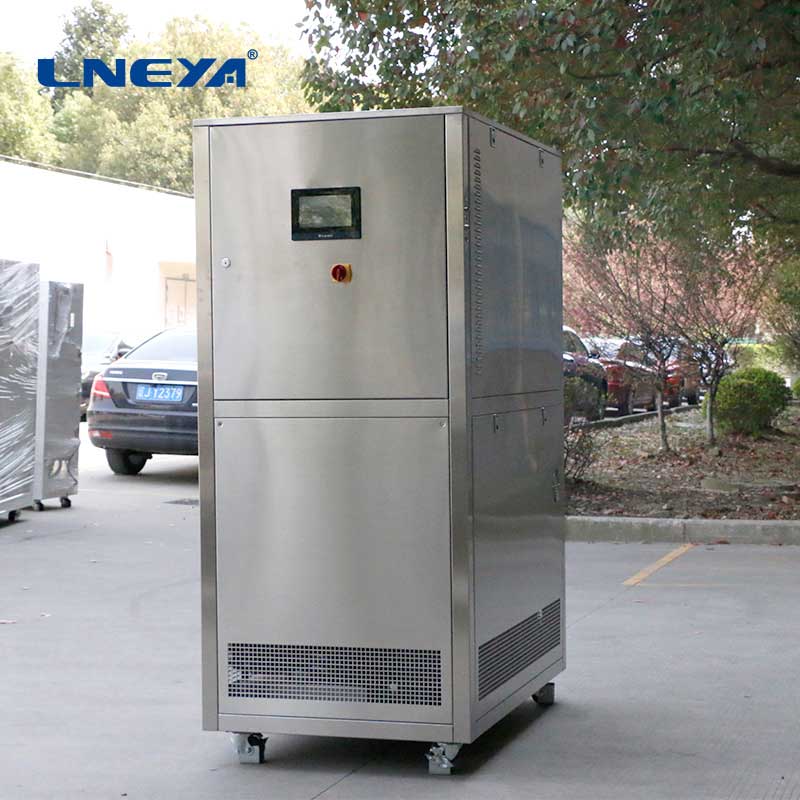
Compressor – Compresses the refrigerant gas, increasing its pressure and temperature.
Condenser – Uses air (blown by fans) to cool the refrigerant, converting it from gas to liquid.
Expansion Valve – Reduces the refrigerant’s pressure, causing it to expand and cool.
Evaporator – Absorbs heat from the space being cooled, turning the refrigerant back into gas.
Advantages of Air-Cooled Systems
Lower installation costs (no need for cooling towers or water pipelines).
Minimal maintenance (no water treatment or scaling issues).
Suitable for remote locations where water supply is limited.
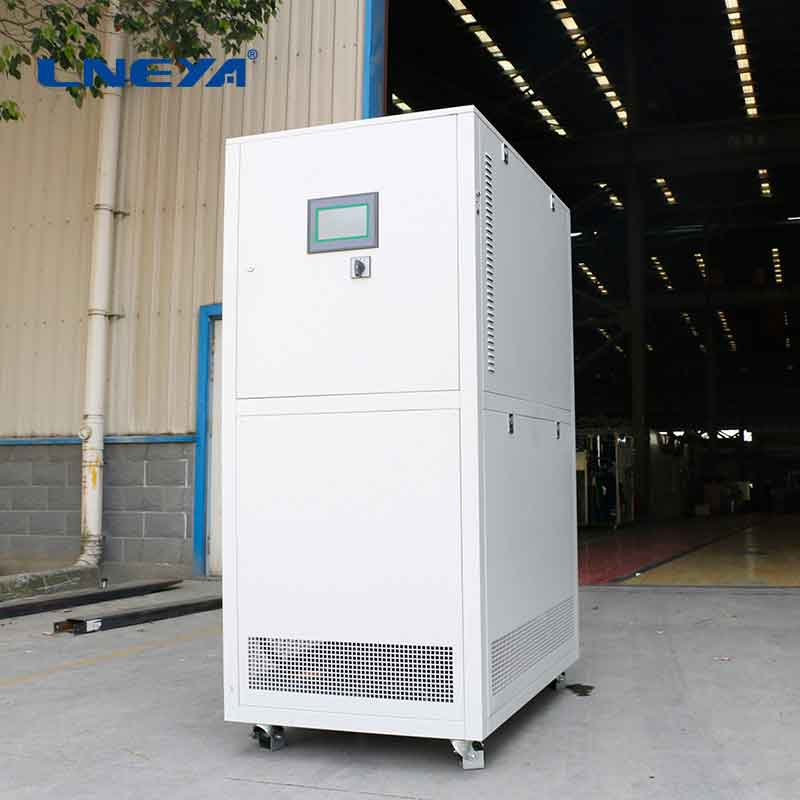
Disadvantages
Less efficient in high ambient temperatures (air cooling becomes less effective).
Higher noise levels due to fan operation.
Shorter lifespan if exposed to excessive dust or heat.
Applications in Different Industries
Food Storage & Retail: Walk-in coolers, display freezers.
Data Centers: Prevents server overheating.
Medical & Pharmaceutical: Preserves vaccines and lab samples.
Improving Efficiency
Regular cleaning of condenser coils to maintain airflow.
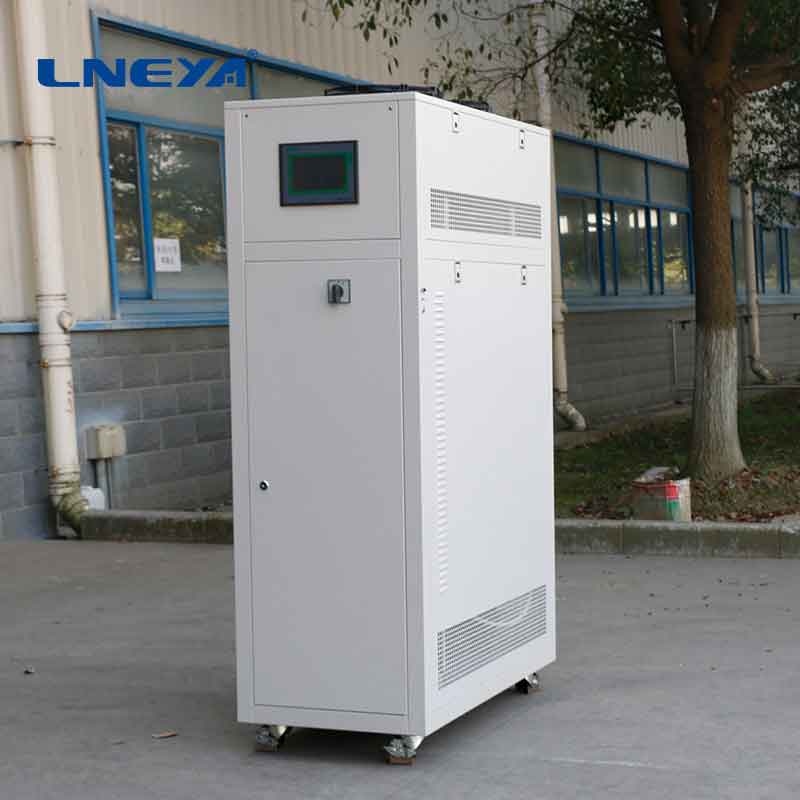
Using variable-speed fans to optimize energy use.
Installing in shaded areas to reduce thermal load.
Conclusion
Air-cooled refrigeration systems are widely used due to their simplicity and cost-effectiveness. While they may not be as efficient as water-cooled systems in extreme heat, proper maintenance and design adjustments can optimize their performance. They remain a practical choice for commercial, industrial, and residential cooling needs.
This content is copyrighted by LNEYA. If there is any infringement, please contact email: Lilia@lneya.com
The prev: air cooled package unitThe next: air cooling and water cooling system
Related recommendations

laboratory water heater
490Introduction to Laboratory Water HeatersLaboratory water heaters, or water baths, are essential for a variety of applications in scientific research and medical testing. These devices provide a st...
View detailsprocess chiller systems
336What are Process Chiller Systems?Process chiller systems are specialized cooling systems designed to remove heat from industrial processes, ensuring optimal temperature control and efficiency. The...
View detailschiller supplier
625Understanding Chiller Suppliers and Their Role in the HVAC Industry What is a Chiller Supplier? A chiller supplier is a company that specializes in the design, manufacture, and distribution ...
View detailsair circulation heater
819Understanding Air Circulation Heaters Air circulation heaters play a vital role in various industrial processes where controlled heating of gases or fluids is required. These heaters are design...
View details




HelloPlease log in