 LNEYA Chiller

chiller 4 kw
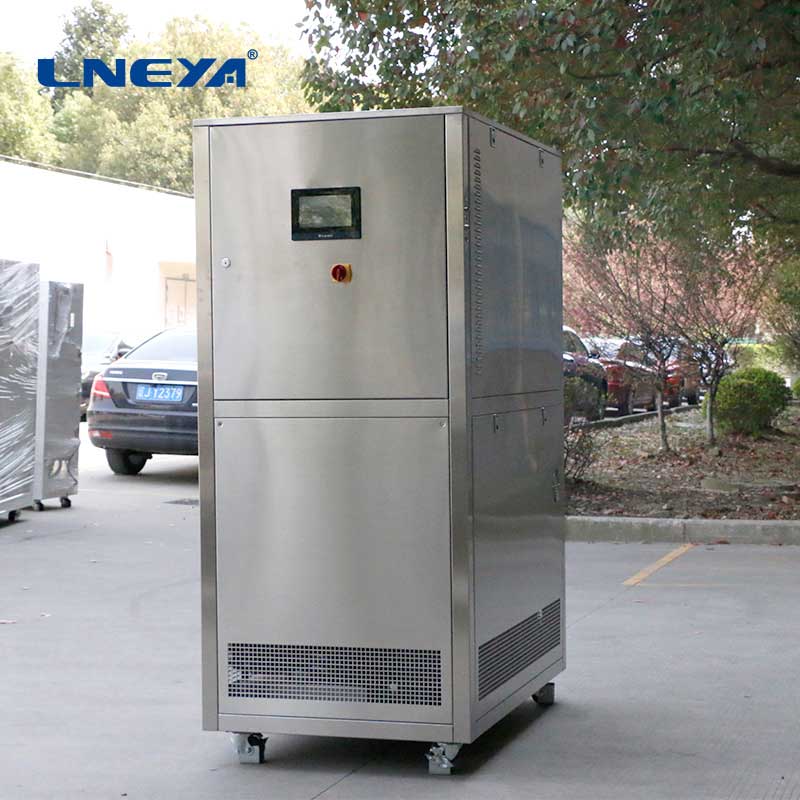
A chiller is a vital piece of equipment used to remove heat from a liquid via a vapor-compression or absorption refrigeration cycle. When we refer to a “Chiller 4 kW,” we are specifying a chiller with a cooling capacity of 4 kilowatts. This rating indicates the amount of heat the chiller can remove from a system per unit of time, making it an essential metric for determining its suitability for different applications.
The Basics of Refrigeration Cycle
The fundamental principle behind a 4 kW chiller is the vapor-compression refrigeration cycle, which involves four main components: the compressor, condenser, expansion valve, and evaporator.
Compressor: This is the heart of the chiller. It raises the pressure and temperature of the refrigerant gas. As the refrigerant enters the compressor in a low-pressure, low-temperature state, the compressor compresses it, increasing its pressure and temperature significantly.
Condenser: After leaving the compressor, the high-pressure, high-temperature refrigerant gas enters the condenser. Here, heat is dissipated to the surrounding environment, causing the refrigerant to condense into a high-pressure liquid. The heat removal process can be achieved through air cooling (using fans) or water cooling (with a cooling tower or a closed-loop water system).
Expansion Valve: The high-pressure liquid refrigerant then passes through the expansion valve. The expansion valve reduces the pressure of the refrigerant, causing it to expand and cool down rapidly. This results in a low-pressure, low-temperature mixture of liquid and vapor refrigerant.
Evaporator: Finally, the low-pressure refrigerant mixture enters the evaporator. In the evaporator, heat is absorbed from the system that needs to be cooled (such as chilled water in an HVAC system). As the refrigerant absorbs heat, it evaporates back into a gas, and the cycle repeats.
Key Performance Parameters
Coefficient of Performance (COP)
The COP is a crucial metric for evaluating the efficiency of a 4 kW chiller. It is defined as the ratio of the cooling capacity (in this case, 4 kW) to the power input required to operate the chiller. A higher COP indicates better energy efficiency. For example, if a 4 kW chiller has a COP of 3, it means that for every 1 kW of electrical power consumed, it can provide 3 kW of cooling capacity. Improving the COP can lead to significant energy savings over the chiller’s operational life.
Cooling Capacity and Power Consumption
The 4 kW cooling capacity is the maximum amount of heat the chiller can remove from a system per hour. However, the actual power consumption can vary depending on factors such as the load on the chiller, ambient temperature, and the type of refrigerant used. Understanding the relationship between cooling capacity and power consumption helps in sizing the chiller correctly for specific applications and predicting operating costs.
Applications of 4 kW Chillers
HVAC Systems in Buildings
In commercial and residential buildings, 4 kW chillers are commonly used in HVAC systems. They cool the water that circulates through air handlers or fan coil units, which then cool the indoor air. This is essential for maintaining comfortable indoor temperatures, especially in larger buildings where a consistent cooling solution is required. Whether it’s an office building, shopping mall, or hospital, 4 kW chillers play a key role in providing efficient cooling.
Food Processing Industry
In food processing plants, maintaining precise temperature control is critical to ensure food safety and quality. 4 kW chillers are used to cool processing equipment, refrigerated storage areas, and to chill food products during various stages of production. For instance, they can be used to cool pasteurized liquids quickly to prevent bacterial growth or to maintain the cold chain in cold storage facilities.
Medical and Laboratory Equipment
Many medical devices, such as MRI machines, blood analyzers, and laboratory centrifuges, generate heat during operation. 4 kW chillers are employed to cool these devices, ensuring their proper functioning and accuracy. Stable temperature control is essential for the reliable operation of sensitive medical and scientific equipment, and 4 kW chillers provide an effective solution.
Maintenance and Care
Regular maintenance is essential to keep a 4 kW chiller operating efficiently and to extend its lifespan.
Cleaning: The condenser coils and air filters should be cleaned regularly. Dust, dirt, and debris can accumulate on these components, reducing heat transfer efficiency and increasing the chiller’s energy consumption. A clean condenser allows for better heat dissipation, while clean air filters ensure proper air circulation.
Refrigerant Level Check: Monitoring the refrigerant level is crucial. A low refrigerant level can lead to reduced cooling capacity and potential damage to the compressor. Periodic checks by a qualified technician can detect leaks and ensure the refrigerant levels are within the recommended range.
Component Inspection: Regularly inspecting components such as the compressor, expansion valve, and electrical connections is also important. Early detection of worn-out parts or loose connections can prevent major breakdowns and costly repairs.
In conclusion, a 4 kW chiller is a versatile and essential piece of equipment in various industries and applications. Understanding its working principles, performance parameters, applications, and maintenance requirements is key to optimizing its use and ensuring reliable and efficient cooling. Whether for maintaining comfortable indoor environments, preserving food products, or cooling sensitive medical equipment, the 4 kW chiller plays a significant role in modern cooling systems.
This content is copyrighted by LNEYA. If there is any infringement, please contact email: Lilia@lneya.com
The prev: 3 ton chiller priceThe next: chillers australia
Related recommendations

air cool chiller
737Introduction to Air-Cool Chillers Air-cooled chillers are integral to modern cooling systems, particularly in regions where water scarcity is a concern. They operate on the thermodynamic vapor ...
View detailsflow heater
427Types of Flow Heaters and Their Working PrinciplesElectric Flow HeatersTypical Applications: Electric flow heaters are commonly used in domestic water heating systems, providing instant hot wate...
View detailschiller 1kw
295IntroductionA chiller with a 1kW capacity is a compact yet essential cooling device that plays a crucial role in numerous applications where moderate cooling is required. The “1kW” in the context...
View detailswater cooling system for industry
532Water Cooling Systems for Industry: A Comprehensive Overview In industrial applications, managing heat is essential for maintaining the efficiency and longevity of machinery and processes. Wate...
View details




HelloPlease log in