 LNEYA Chiller

cooling systems uk
Cooling Systems in the UK: A Comprehensive Guide
Introduction
Cooling systems play a crucial role in various sectors across the UK, from industrial manufacturing to commercial and residential buildings. These systems are designed to manage heat, ensuring the efficient operation of equipment and maintaining comfortable indoor environments. This article explores the types, working principles, applications, and regulatory landscape of cooling systems in the UK, providing a detailed understanding of their importance and functionality.
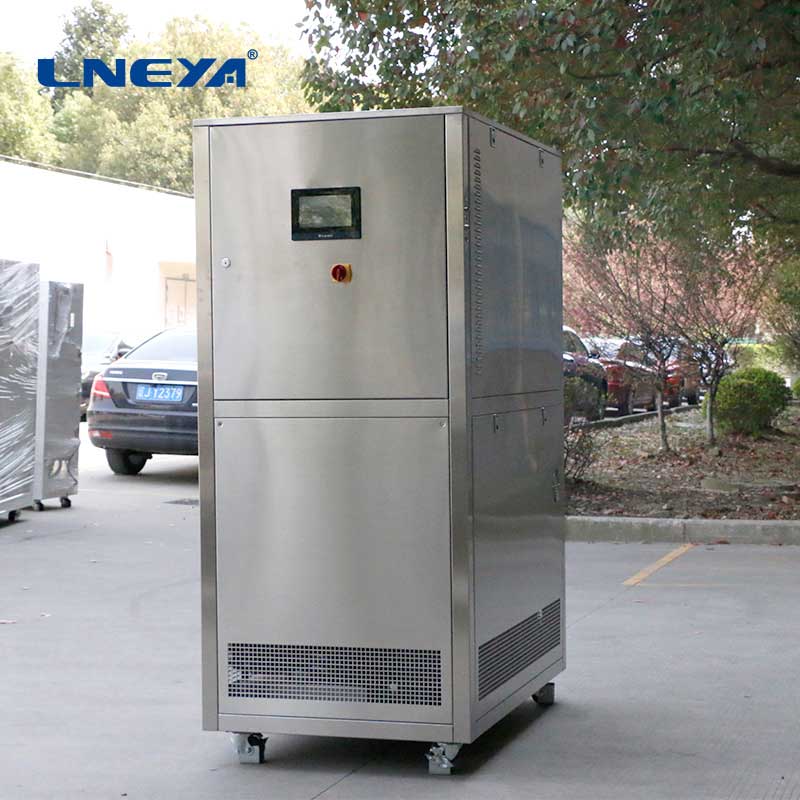
Types of Cooling Systems
Air Conditioning Systems: Used for cooling and dehumidifying indoor air in buildings. Common types include split systems, central air conditioning, and portable units.
Refrigeration Systems: Essential for preserving perishable goods in the food and beverage industry, pharmaceuticals, and cold storage facilities.
Evaporative Cooling Systems: Utilize water evaporation to cool air, often used in industrial and agricultural settings.
Chilled Water Systems: Use chilled water to absorb heat from buildings or industrial processes, commonly found in large commercial buildings and data centers.
Heat Pumps: Provide both heating and cooling by transferring heat between indoor and outdoor environments.
Working Principles
Cooling systems operate on various principles depending on their type:
Air Conditioning: Uses a refrigerant cycle to absorb heat from indoor air and release it outdoors.
Refrigeration: Employs a vapor compression cycle to remove heat from a confined space and maintain low temperatures.
Evaporative Cooling: Relies on the evaporation of water to cool air, which is then circulated through the space.
Chilled Water Systems: Circulate chilled water through coils to absorb heat from the air or process, which is then cooled by a chiller.
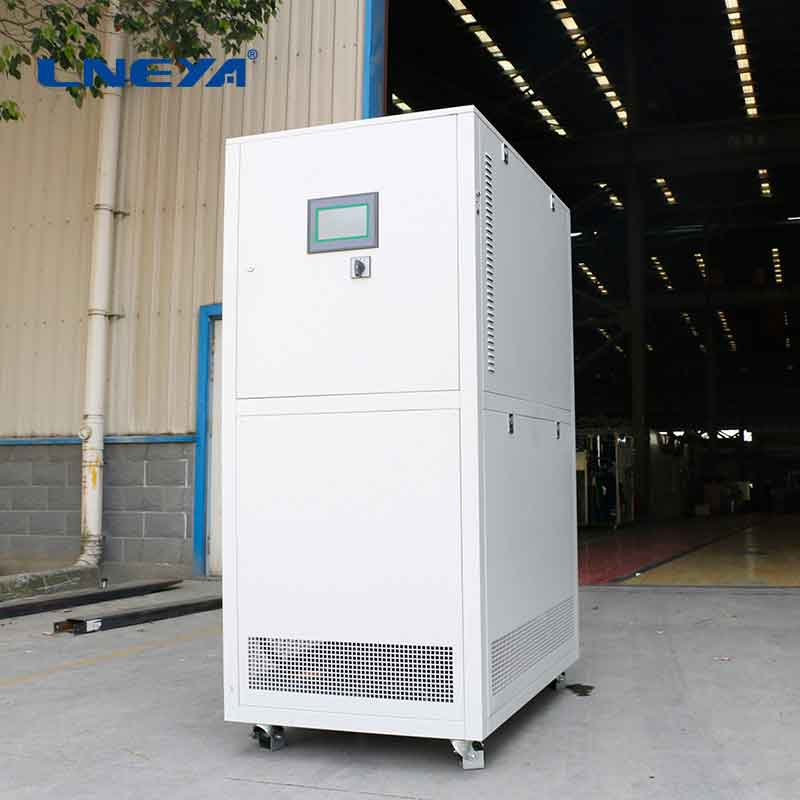
Heat Pumps: Transfer heat from one place to another using a refrigerant cycle, providing cooling in summer and heating in winter.
Applications
Cooling systems are used in a wide range of applications, including:
Commercial Buildings: Office spaces, retail stores, and hotels for maintaining comfortable indoor environments.
Industrial Processes: Cooling machinery and equipment in manufacturing and processing plants.
Data Centers: Managing heat generated by servers and IT equipment to ensure optimal performance.
Healthcare Facilities: Maintaining controlled environments in hospitals and laboratories.
Residential Buildings: Providing comfort in homes through air conditioning and heat pumps.
Regulatory Standards in the UK
The UK has established regulations to ensure the safety, efficiency, and environmental sustainability of cooling systems. Key regulations include:
F-Gas Regulations: Control the use of fluorinated greenhouse gases, promoting the use of low-GWP refrigerants.
Building Regulations: Set standards for energy efficiency and environmental performance in new and existing buildings.
Energy Efficiency Standards: Encourage the adoption of energy-efficient technologies to reduce carbon emissions.
Energy Efficiency and Sustainability
Energy efficiency is a critical consideration for cooling systems in the UK. Implementing energy-saving measures, such as variable speed drives, smart thermostats, and regular maintenance, can significantly reduce energy consumption and operational costs. Additionally, the use of eco-friendly refrigerants and renewable energy sources aligns with the UK’s sustainability goals by minimizing environmental impact.
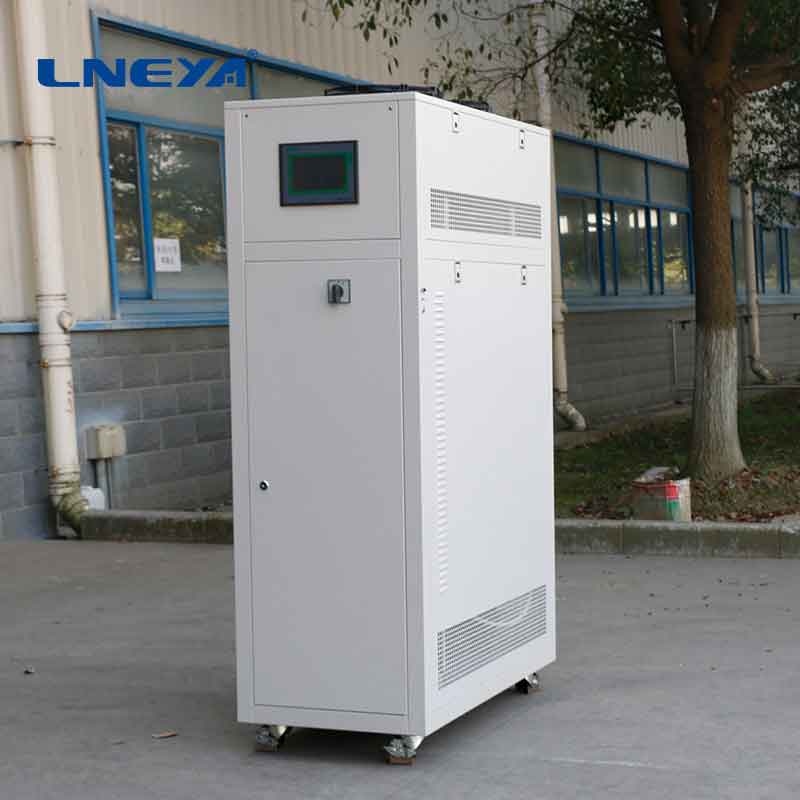
Maintenance Practices
Regularly inspect and clean filters, coils, and ducts to ensure efficient operation.
Monitor refrigerant levels and check for leaks to maintain system performance.
Schedule professional maintenance to address potential issues and extend the system’s lifespan.
Use predictive maintenance technologies, such as IoT sensors, to monitor system health and prevent failures.
Environmental Considerations
The UK is committed to reducing the environmental impact of cooling systems. This includes phasing out high-GWP refrigerants, promoting the use of natural refrigerants, and implementing energy-efficient technologies. Businesses and individuals are encouraged to adopt sustainable practices, such as recycling refrigerants and optimizing system performance, to comply with environmental regulations and contribute to a greener future.
Conclusion
Cooling systems are essential for maintaining optimal temperatures in various applications across the UK. By understanding the types, working principles, applications, and regulatory landscape of cooling systems, businesses and individuals can optimize their operations for efficiency, sustainability, and compliance. Whether for industrial processes, commercial buildings, or residential comfort, cooling systems play a crucial role in ensuring the efficient operation of equipment and maintaining comfortable indoor environments.
This content is copyrighted by LNEYA. If there is any infringement, please contact email: Lilia@lneya.com
The prev: process cooling chillersThe next: industrial air cooled water chiller
Related recommendations

Types and Applications of Industrial Box Chillers
1380Types and Applications of Industrial Box Chillers The main function of the box-type chiller is to provide process chilled water to the equipment to cool down the temperature, thereby improv...
View detailsglycol refrigeration systems
689Understanding Glycol Refrigeration Systems Glycol refrigeration systems are a type of industrial refrigeration system that uses a mixture of glycol, a type of antifreeze, and water to lower the...
View detailswater cooled chilled water system
765Water-Cooled Chilled Water Systems: An In-Depth Analysis Water-cooled chilled water systems are a type of HVAC system that circulates chilled water to cool and dehumidify spaces. These systems ...
View detailswater chiller refrigeration system
709Water Chiller Refrigeration System: An In-Depth Analysis Water chiller refrigeration systems are widely used in industries and commercial establishments for precise temperature control. These s...
View details




HelloPlease log in