 LNEYA Chiller

evaporator of chiller
Definition and Role
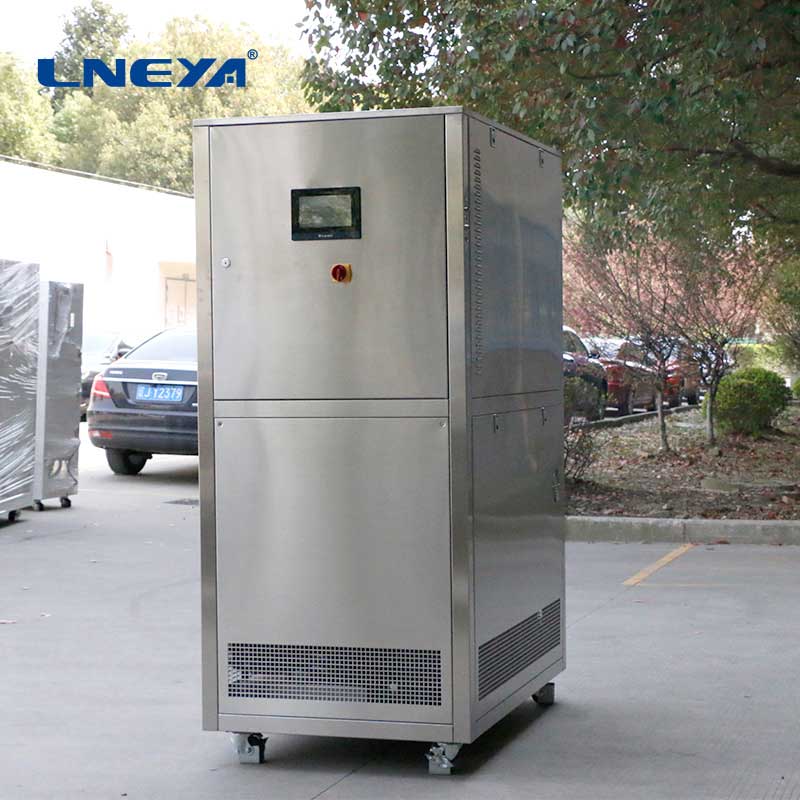
In a chiller system, the evaporator is where the refrigerant undergoes a phase change from a liquid to a vapor. It is designed to absorb heat from the chilled water or air flowing through it, using the refrigerant’s low boiling point to create a cooling effect. The heat transfer process occurs as the warm water or air passes over the cold refrigerant coils in the evaporator, causing the refrigerant to evaporate. As the refrigerant evaporates, it absorbs heat from the surrounding medium, thereby cooling it. This cooled medium is then circulated to the areas that require cooling, such as buildings or industrial equipment.
Working Principle
The working principle of a chiller evaporator is based on the laws of thermodynamics, specifically the principles of heat transfer and phase change. The refrigerant enters the evaporator as a low-pressure, low-temperature liquid. When it comes into contact with the warmer chilled water or air, heat is transferred from the water or air to the refrigerant. This heat transfer causes the refrigerant to absorb energy and evaporate into a vapor.
The process is facilitated by the expansion valve, which controls the flow of refrigerant into the evaporator, ensuring that it enters at the right pressure and temperature. As the refrigerant evaporates, it creates a cooling effect on the water or air flowing over the evaporator coils. The now-vaporized refrigerant leaves the evaporator and is drawn into the compressor, where its pressure and temperature are increased, starting the next stage of the refrigeration cycle.
Types of Evaporators
Flooded Evaporators: In a flooded evaporator, the refrigerant completely fills the evaporator shell, surrounding the tubes through which the chilled water or air passes. The advantage of flooded evaporators is their high heat transfer efficiency due to the large surface area of the refrigerant in contact with the tubes. They are also relatively simple in design and can handle high heat loads. However, they require a refrigerant separator to prevent liquid refrigerant from entering the compressor, which adds complexity and cost to the system. Flooded evaporators are commonly used in large industrial and commercial applications where high cooling capacities are required.
Direct-Expansion (DX) Evaporators: DX evaporators are designed so that the refrigerant enters the evaporator as a low-pressure liquid and evaporates as it flows through the coils. The expansion valve meters the refrigerant into the evaporator, ensuring proper evaporation. DX evaporators offer better control over the refrigerant flow and are more suitable for variable load applications. They are also more compact and require less refrigerant compared to flooded evaporators. However, they may have slightly lower heat transfer efficiency. DX evaporators are widely used in smaller commercial and residential chiller systems.
Key Components
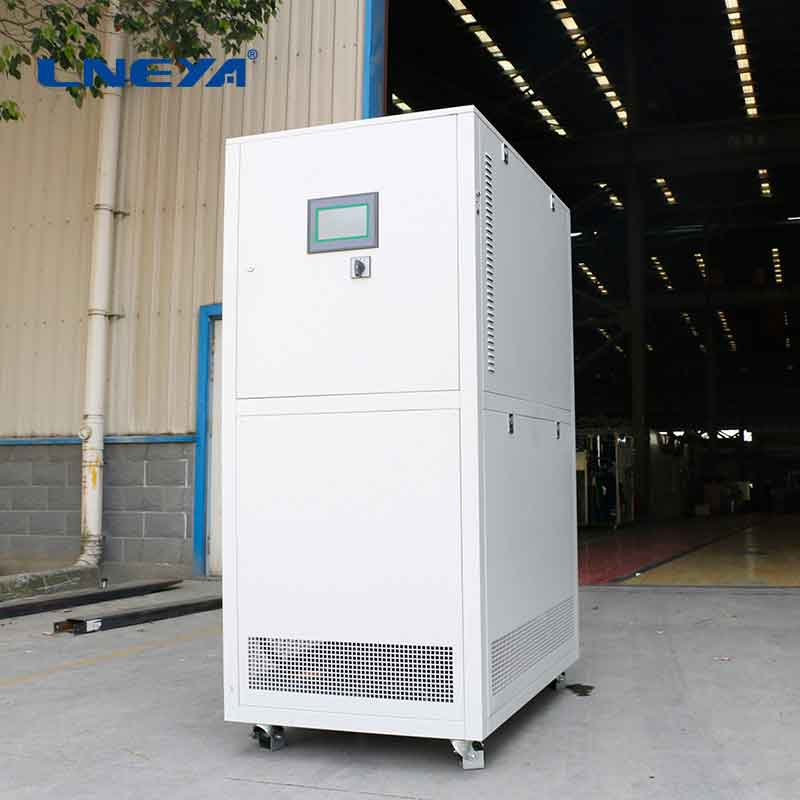
Heat Exchanger: The heat exchanger is the core of the evaporator, responsible for the actual heat transfer between the refrigerant and the chilled water or air. It typically consists of a series of tubes or coils that maximize the surface area for efficient heat exchange. The design of the heat exchanger, including the material used (such as copper or stainless steel) and the tube arrangement, affects its performance and durability.
Refrigerant Distributor: The refrigerant distributor ensures that the refrigerant is evenly distributed throughout the evaporator coils. Proper distribution is crucial for achieving uniform heat transfer and preventing hot spots or areas of inefficient cooling. There are different types of refrigerant distributors, such as orifice plates, spray nozzles, and distributor tubes, each designed to optimize the refrigerant flow depending on the evaporator type and application.
Expansion Valve: As mentioned earlier, the expansion valve controls the flow of refrigerant into the evaporator. It reduces the pressure of the high-pressure liquid refrigerant coming from the condenser, allowing it to evaporate at a lower temperature in the evaporator. The expansion valve can be of different types, including thermostatic expansion valves, electronic expansion valves, and capillary tubes, each with its own characteristics and control mechanisms.
Maintenance Requirements
Regular maintenance of the chiller evaporator is essential to ensure its optimal performance and extend its lifespan. Here are some key maintenance tasks:
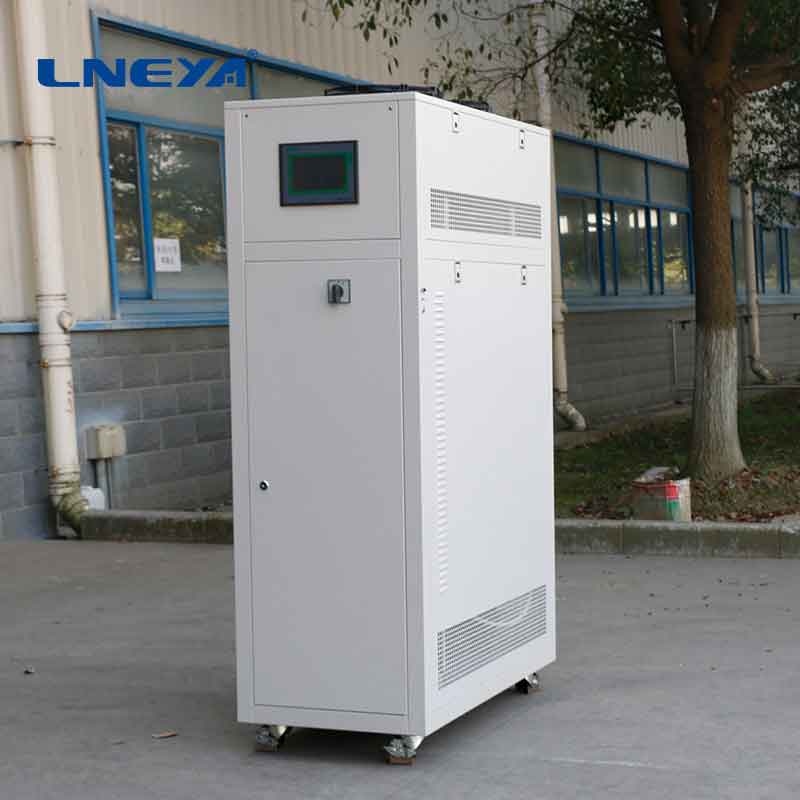
Cleaning: Over time, dirt, debris, and scale can accumulate on the evaporator coils, reducing heat transfer efficiency. Periodic cleaning of the coils using appropriate cleaning agents and methods (such as brushing or high-pressure washing) is necessary to remove these contaminants.
Inspection: Regularly inspect the evaporator for any signs of leaks, corrosion, or damage to the tubes, fins, or other components. Leaks in the refrigerant system can lead to reduced cooling performance and potential environmental hazards. Promptly repair or replace any damaged parts to maintain system integrity.
Refrigerant Level Check: Monitor the refrigerant level in the system to ensure it is within the recommended range. Low refrigerant levels can cause the evaporator to operate inefficiently and may lead to compressor damage. If the refrigerant level is low, a professional technician should be called to diagnose and repair the leak and recharge the system.
Expansion Valve Calibration: The expansion valve may need periodic calibration to ensure proper refrigerant flow control. Incorrectly calibrated valves can result in over- or under-cooling, affecting the overall performance of the chiller.
In conclusion, the evaporator of a chiller is a complex and essential component that significantly impacts the performance of the refrigeration system. By understanding its working principle, types, key components, and maintenance requirements, users can ensure the efficient and reliable operation of their chiller systems, providing consistent cooling for various applications.
This content is copyrighted by LNEYA. If there is any infringement, please contact email: Lilia@lneya.com
The prev: 1200 ton chillerThe next: laboratory water circulation pump
Related recommendations

recirculating chiller india
487Recirculating Chillers in India: Technology and Market TrendsRecirculating chillers are essential in maintaining consistent temperatures in numerous industrial and scientific processes. In India, ...
View detailsrecirculating chiller bath
351Introduction to Recirculating Chiller BathsRecirculating chiller baths are specialized devices designed to create and maintain a stable, low - temperature environment by continuously circulating ...
View detailsindustrial inline water chiller
876Industrial Inline Water Chillers: Efficient Temperature Control for Industry Industrial inline water chillers play a vital role in various industries, including manufacturing, pharmaceuticals, ...
View detailscooling control
639Understanding Cooling Control Systems Definition of Cooling Control Cooling control systems are designed to regulate and maintain optimal temperatures in various environments and processes. ...
View details




HelloPlease log in