 LNEYA Chiller

high temperature chiller
What is a High-Temperature Chiller?
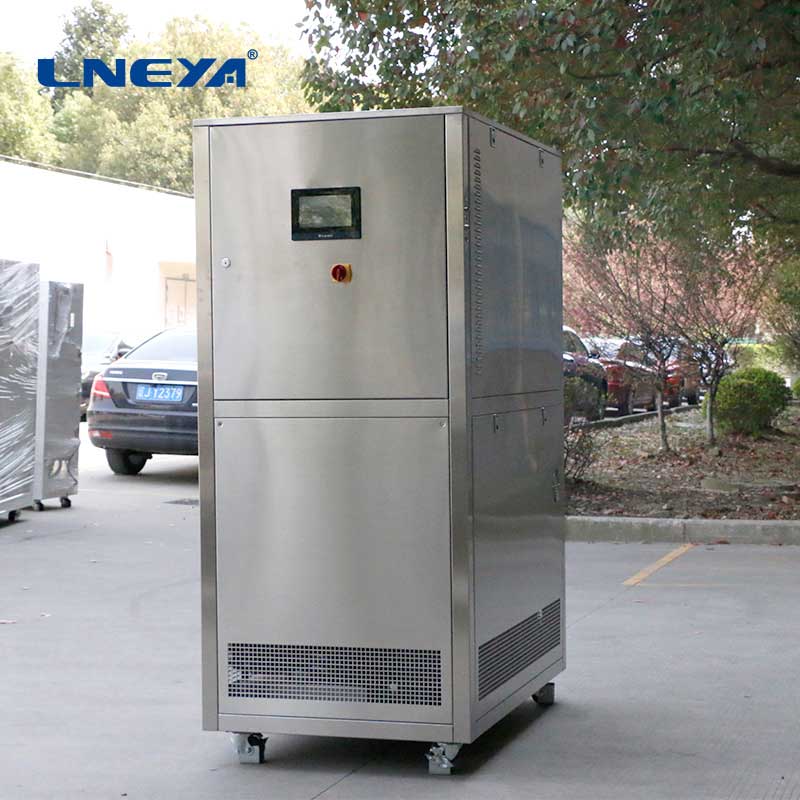
A high-temperature chiller is a cooling system designed to manage and maintain elevated temperatures in various industrial and laboratory processes. Unlike standard chillers that operate at lower temperatures, high-temperature chillers are specifically engineered to handle higher temperature ranges, typically between 30°C to 90°C (86°F to 194°F). These chillers are essential in applications where precise temperature control at elevated levels is crucial for process efficiency and product quality.
How Does a High-Temperature Chiller Work?
The operation of a high-temperature chiller involves several key steps:
Cooling Process: The chiller unit cools the circulating fluid using a refrigeration cycle, which typically includes a compressor, condenser, expansion valve, and evaporator. The refrigerant absorbs heat from the fluid, lowering its temperature.
Circulation: A pump circulates the chilled fluid through a closed-loop system that connects to the equipment or areas requiring cooling. The fluid absorbs heat from the process, thereby maintaining the desired temperature.
Heat Dissipation: The now warmer fluid returns to the chiller, where it is cooled again, and the cycle repeats. This continuous process ensures the system remains at a stable temperature.
Types of High-Temperature Chillers
There are several types of high-temperature chillers, each suited to different applications and environments:
Air-Cooled High-Temperature Chillers: These systems use air to cool the refrigerant. They are typically used in smaller systems or where water availability is limited. Air-cooled chillers are easier to install and maintain but may be less efficient in extremely hot environments.
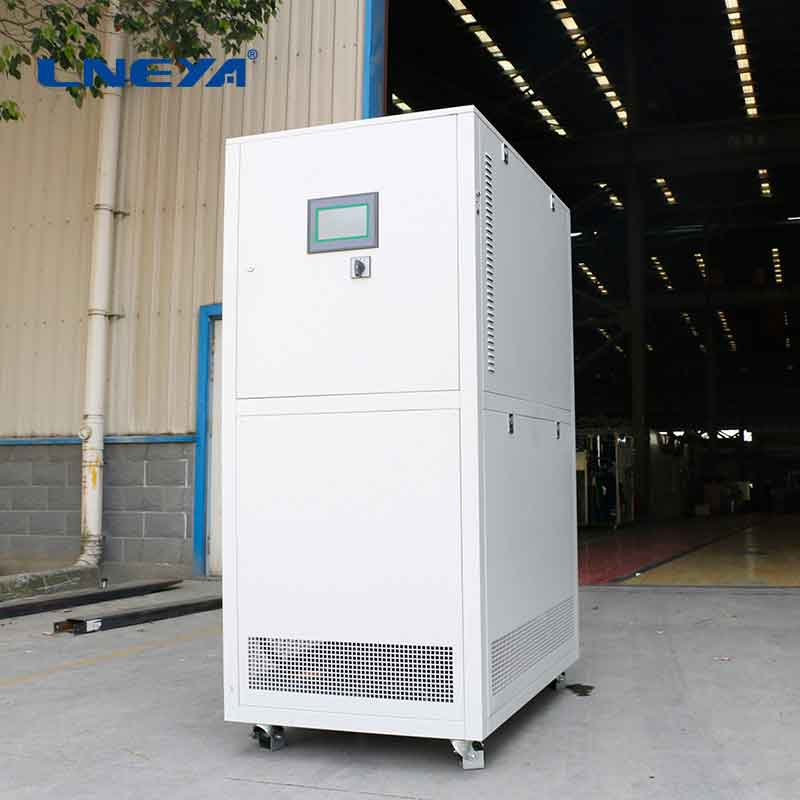
Water-Cooled High-Temperature Chillers: These systems use water to cool the refrigerant. They are more efficient than air-cooled systems and are often used in larger industrial applications. However, they require a reliable source of cooling water and more complex maintenance.
Portable High-Temperature Chillers: These are compact, mobile units designed for temporary or small-scale cooling needs. They are commonly used in laboratories and small industrial processes.
Applications of High-Temperature Chillers
High-temperature chillers are used in a wide range of applications, including:
Plastics Manufacturing: In plastics manufacturing, high-temperature chillers are used to cool molds and extruders, ensuring consistent product quality and reducing cycle times.
Chemical Processing: Many chemical reactions require precise temperature control at elevated levels. High-temperature chillers help maintain the necessary conditions for efficient and safe chemical processing.
Food Production: In food production, high-temperature chillers are used in processes like pasteurization and sterilization, ensuring food safety and quality.
Pharmaceuticals: In the pharmaceutical industry, high-temperature chillers are used in processes like tablet coating and granulation, where precise temperature control is essential for product efficacy.
Rubber and Tire Manufacturing: High-temperature chillers are used to cool molds and equipment in rubber and tire manufacturing, ensuring consistent product quality and reducing downtime.
Benefits of Using High-Temperature Chillers
The use of high-temperature chillers offers several advantages:
Energy Efficiency: High-temperature chillers are designed to be energy-efficient, helping to reduce operational costs.
Precise Temperature Control: These chillers provide precise temperature control, which is essential for many industrial and laboratory processes. This precision helps maintain product quality and equipment performance.
Enhanced Process Reliability: By maintaining stable temperatures, high-temperature chillers enhance the reliability and efficiency of industrial processes.
Scalability: High-temperature chillers can be easily scaled to meet the cooling needs of different applications, from small laboratories to large industrial plants.
Reduced Environmental Impact: By using advanced refrigeration technologies, high-temperature chillers can reduce the environmental impact compared to traditional cooling methods.
Conclusion
High-temperature chillers are essential components in various industrial and laboratory applications, offering efficient and precise temperature control at elevated levels. Understanding their functionality, types, and benefits can help users select the right system for their needs, ensuring optimal performance and process reliability. Whether in plastics manufacturing, chemical processing, or food production, high-temperature chillers play a crucial role in maintaining the desired temperature and enhancing overall system efficiency.
This content is copyrighted by LNEYA. If there is any infringement, please contact email: Lilia@lneya.com
The prev: heater for chemistry labThe next: portable water cooled chiller
Related recommendations

industrial chiller cost
826Understanding Industrial Chiller Costs Industrial chillers are essential for maintaining optimal temperatures in various processes across different industries. The cost of these chillers can va...
View detailschiller for distillation
794Chillers for Distillation: A Detailed Analysis Importance of Chillers in Distillation:Distillation chillers are critical components in the distillation process, used to cool down the vapor prod...
View detailsultra low temperature recirculating chillers
310Ultra low temperature recirculating chillers are highly sophisticated pieces of equipment engineered to provide precise cooling at extremely low temperatures, often well below the freezing point o...
View detailscooling and heating
238Cooling and heating are two interrelated processes that play a pivotal role in modern life. Whether it's keeping homes cozy during winter or maintaining a comfortable temperature in offices during...
View details




HelloPlease log in