 LNEYA Chiller

high temperature test chamber
Introduction to High Temperature Test Chambers
High temperature test chambers are sophisticated devices designed to replicate extreme temperature conditions within a controlled environment. They are engineered to subject materials and products to high temperatures, which can range from the heat of a desert to the intense temperatures experienced in engine turbines.
Definition and Operating Principles
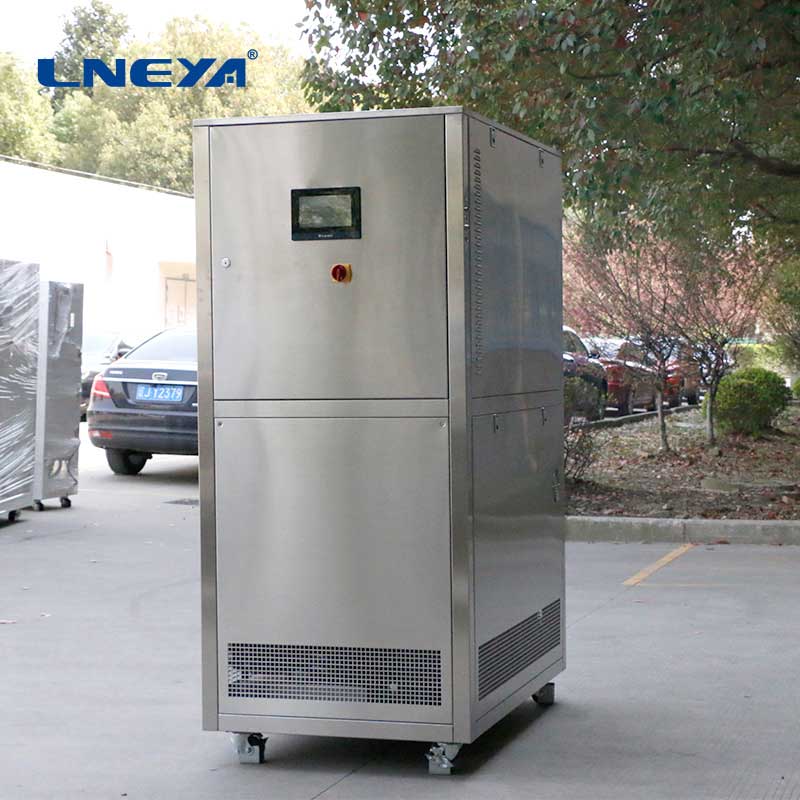
A high temperature test chamber is defined as a testing device capable of elevating the temperature of its workspace from room temperature to specific high-temperature limits. These chambers are designed to simulate the harshest environmental conditions to ensure the reliability and durability of products under test.
Applications of High Temperature Test Chambers
High temperature test chambers are used across various industries for a multitude of applications:
Aerospace Industry: They are used to test materials and components to ensure they can withstand the extreme temperatures encountered at high altitudes.
Automotive Industry: These chambers are employed to test the durability of car parts, ensuring they function correctly under the heat generated during operation.
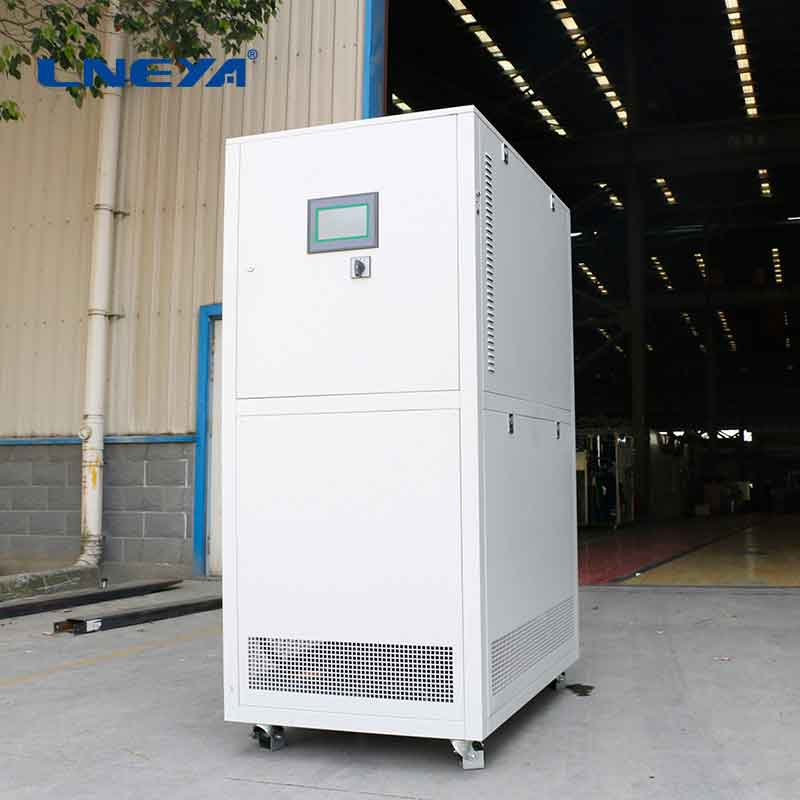
Electronics Industry: High temperature test chambers are used to test the reliability of electronic devices, ensuring they operate within specified parameters even under heat stress.
Materials Science: Researchers use these chambers to study the thermal properties of new materials, aiding in the development of materials with specific heat resistance characteristics.
Chemical Industry: They are used to test the stability of chemicals and chemical reactions at high temperatures.
Technology and Features
High temperature test chambers are equipped with a multitude of features to accurately simulate a wide range of environmental conditions. These chambers can reach temperatures significantly above the boiling point of water, with some models designed to simulate temperatures up to and beyond 1000°C. To achieve and maintain such extreme temperatures, these chambers utilize sophisticated heating elements and insulation materials, ensuring precise temperature control and uniformity within the testing space.
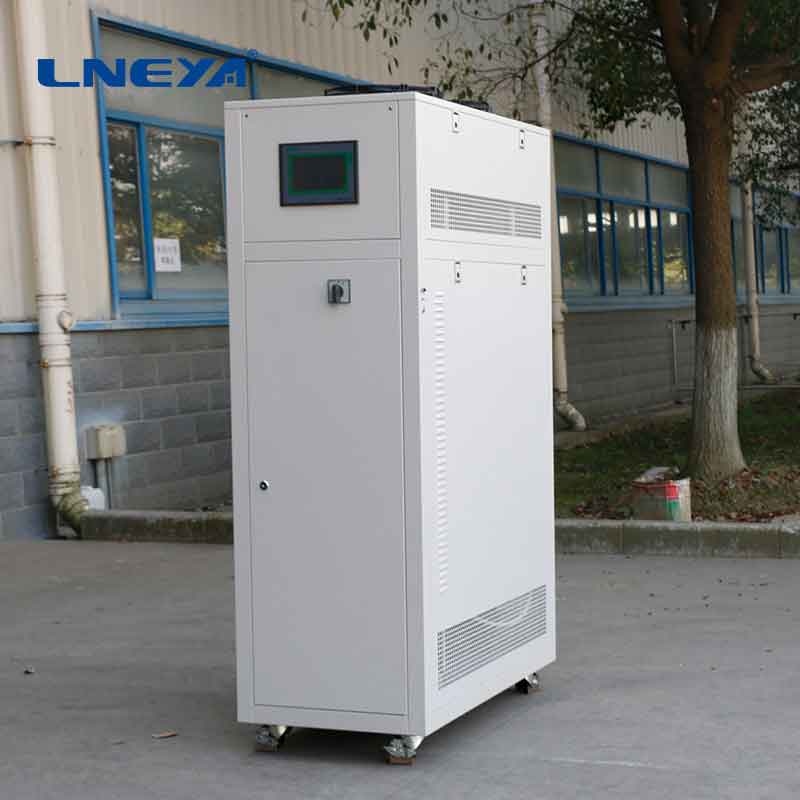
Many high temperature chambers incorporate additional functionalities to simulate various environmental conditions. This includes the integration of humidity controls, allowing for temperature and humidity test chambers to assess how materials and electronic devices withstand moist, high-temperature environments.
Market Trends and Industry Standards
The role of high temperature test chambers in pushing the boundaries of testing and quality assurance cannot be overstated. As industries continue to evolve and new challenges emerge, the demand for advanced testing solutions will only grow. Manufacturers of these critical testing chambers are therefore not just suppliers of equipment; they are pivotal partners in innovation, supporting the development of products that can withstand the rigors of the modern world.
High temperature test chambers are designed to meet various industry standards, ensuring that the testing conditions are consistent and reliable. These standards help to maintain the quality and safety of products across different sectors.
Conclusion
High temperature test chambers play a crucial role in ensuring the safety, reliability, and performance of materials and products in extreme heat conditions. As technology continues to advance, these chambers are becoming more sophisticated, allowing for more accurate and higher temperature testing. This progress is essential for the development of new materials and the improvement of existing products, particularly in high-temperature environments.
This content is copyrighted by LNEYA. If there is any infringement, please contact email: Lilia@lneya.com
The prev: water cooled chilling plantThe next: thermal chucks
Related recommendations

air cooled and water cooled chiller
755Understanding Air-Cooled and Water-Cooled ChillersChillers are essential for maintaining optimal temperatures in industrial and commercial settings. They come in various types, with air-cooled and...
View detailsglycol tank chiller
276Working Principles of Glycol Tank ChillersThe operation of a glycol tank chiller is based on the principles of heat transfer and the unique properties of glycol - water mixtures. Glycol, typicall...
View detailschiller usa
801Air Cooled Chillers in the USA: Technology and ApplicationsAir cooled chillers in the United States are widely used in various industries for temperature control. These chillers work by transferri...
View detailsWhat are the requirements for the chilled water quality of the circulation chiller?
1268What are the requirements for the chilled water quality of the circulation chiller? The requirements for chilled water quality of circulating coolers mainly include the following aspect...
View details




HelloPlease log in