 LNEYA Chiller

industrial heating
Industrial Heating: A Comprehensive Overview
Introduction to Industrial Heating
Industrial heating refers to the application of thermal energy in the production, treatment, or alteration of manufactured goods. This process is essential across many industries, from chemical and petrochemical to power generation and food processing.
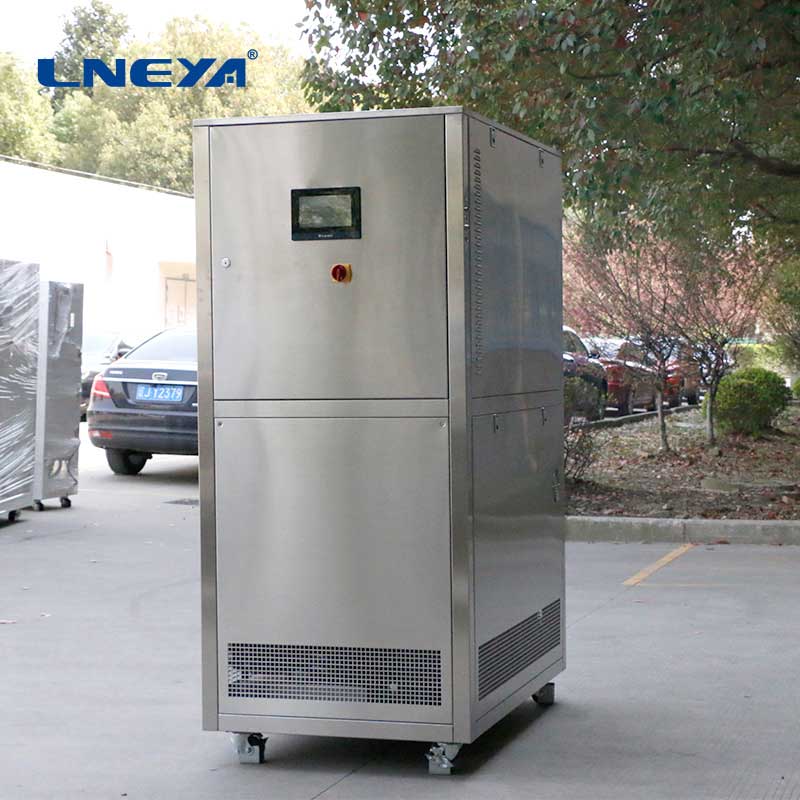
Types of Industrial Heating Systems
Industrial heating systems can be categorized based on their energy source and method of heat transfer:
Electric Heaters: These heaters use electrical energy to generate heat and are available in various forms, such as tubular, strip, and radiant heaters.
Oil and Gas Heaters: These systems use fossil fuels as a heat source and are commonly used in high-temperature applications.
Steam Heaters: Utilizing steam as a heat transfer medium, these heaters are used in processes requiring precise temperature control.
Hydronic Heaters: These systems use hot water or steam to transfer heat, often found in large-scale industrial processes.
Energy Efficiency in Industrial Heating
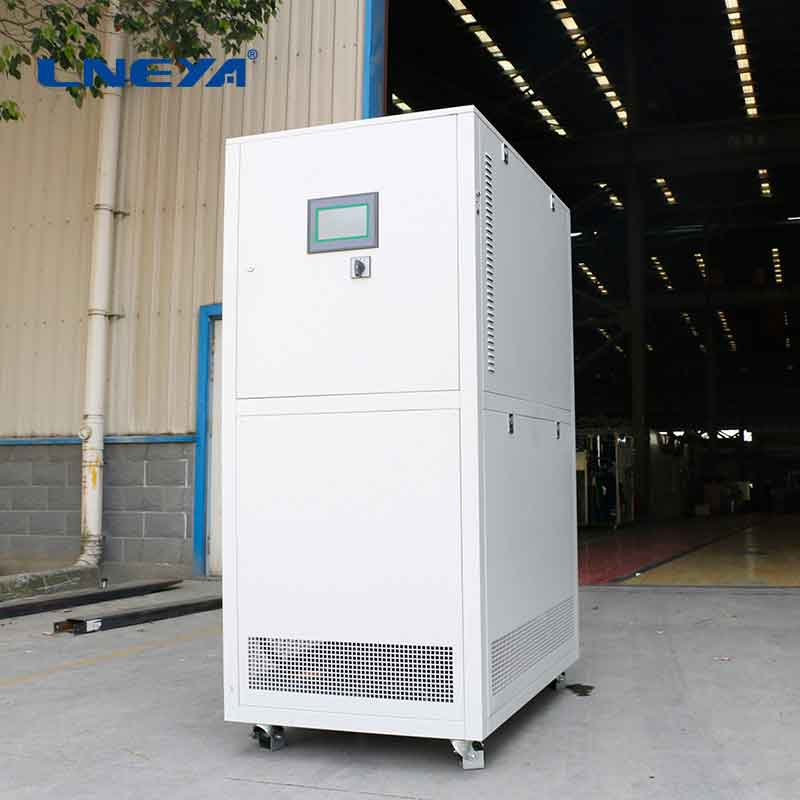
Energy efficiency in industrial heating is a measure of the amount of useful output produced per unit of energy input. Improving energy efficiency not only reduces costs but also decreases environmental impact. Technologies such as smart heaters with IoT capabilities are being developed to optimize heating processes and reduce downtime.
Safety Features in Industrial Heaters
Safety is paramount in industrial heating. Standards set by organizations like UL and CE ensure that heaters meet electrical and fire safety requirements. These regulations also limit the emissions of pollutants like NOx, SO2, and particulate matter to minimize environmental harm.
Industry Trends in Industrial Heating
The industrial heating market is witnessing a shift towards sustainable practices. There is an increased interest in integrating renewable energy sources like solar thermal systems, biomass heating, and waste heat recovery solutions into industrial heating systems. These approaches aim to reduce reliance on fossil fuels and lower overall emissions.
Environmental Impact of Industrial Heating
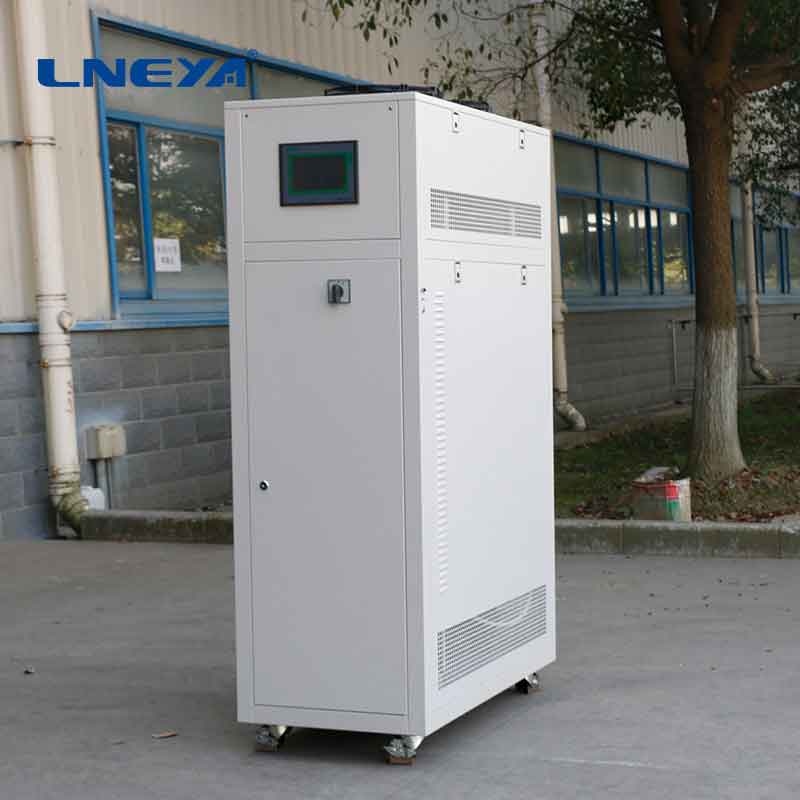
Industrial heating contributes significantly to global energy consumption and carbon emissions. The push for energy efficiency and the adoption of renewable energy sources are crucial steps towards reducing this impact and moving towards a more sustainable future.
Conclusion
Industrial heating is a vital component of many industries, and its efficiency and sustainability are increasingly important in the face of growing environmental concerns. As technology advances, the focus is on developing more energy-efficient and environmentally friendly heating solutions. Understanding the different types of heating systems, their applications, and the latest industry trends is essential for making informed decisions about heating processes in various industrial settings.
This content is copyrighted by LNEYA. If there is any infringement, please contact email: Lilia@lneya.com
The prev: energy efficient heaterThe next: electric heater small
Related recommendations

water cooled package system
573Water-Cooled Package System: Technical Specifications and Applications Introduction to Water-Cooled Package Systems Water-cooled package systems are a type of HVAC system that uses water as ...
View detailspro chillers
723Understanding Pro Chillers Definition of Pro Chillers Pro chillers, or industrial chillers, are advanced refrigeration systems used to maintain optimal temperatures in a wide range of indust...
View detailswater bath evaporation
547Introduction to Water Bath EvaporationWater bath evaporation is a laboratory technique where a sample is placed in a container that is then submerged in a water bath to control the temperature dur...
View detailslaboratory chillers
256Laboratory Chillers: A Comprehensive GuideLaboratory chillers are essential for maintaining precise temperature control in research, medical, and industrial settings. Unlike commercial refrigerati...
View details




HelloPlease log in