 LNEYA Chiller

recirculating bath
A recirculating bath is a sophisticated piece of equipment that plays a vital role in various scientific and industrial applications. At its core, a recirculating bath is a system that continuously circulates a liquid, which can be a coolant, a heating medium, or a chemical solution, depending on the specific requirements.
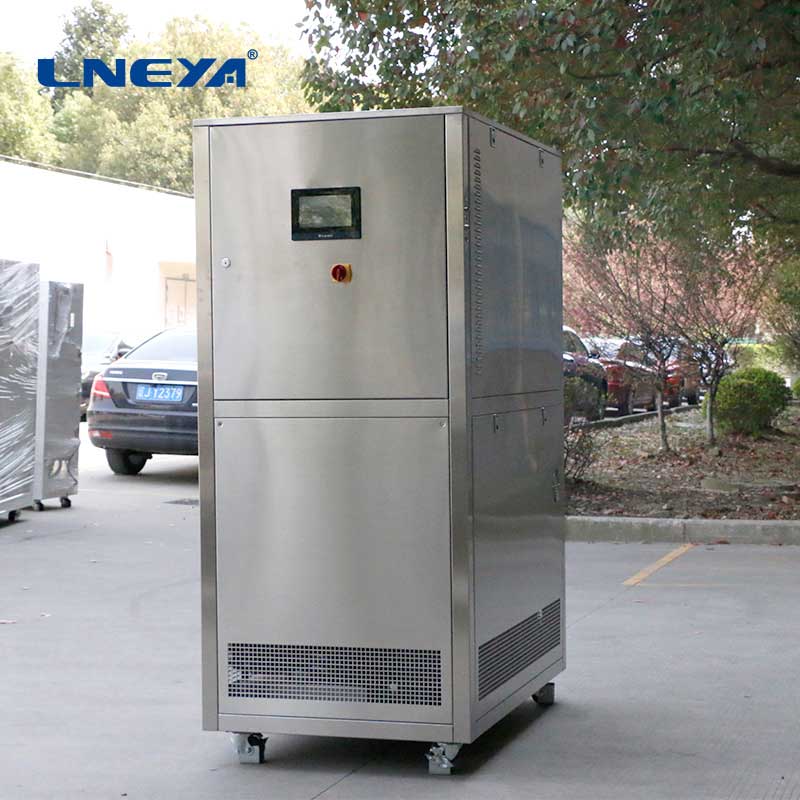
The main components of a recirculating bath are essential for its proper functioning. The reservoir serves as the storage area for the liquid. It is usually made of materials that are resistant to corrosion and chemical reactions, such as stainless steel or certain plastics. The pump is responsible for driving the liquid through the system, ensuring a continuous flow. High-quality pumps are designed to provide a stable and consistent flow rate, which is crucial for maintaining accurate temperature control.
The heating or cooling element is another key component. In a heating recirculating bath, the heating element, often an electric resistance heater, raises the temperature of the liquid to the desired level. For cooling recirculating baths, a refrigeration system or a cooling coil is used to lower the temperature. The control system is what allows users to set and monitor the temperature precisely. Modern recirculating baths often come with digital controllers that offer high accuracy and user-friendly interfaces.
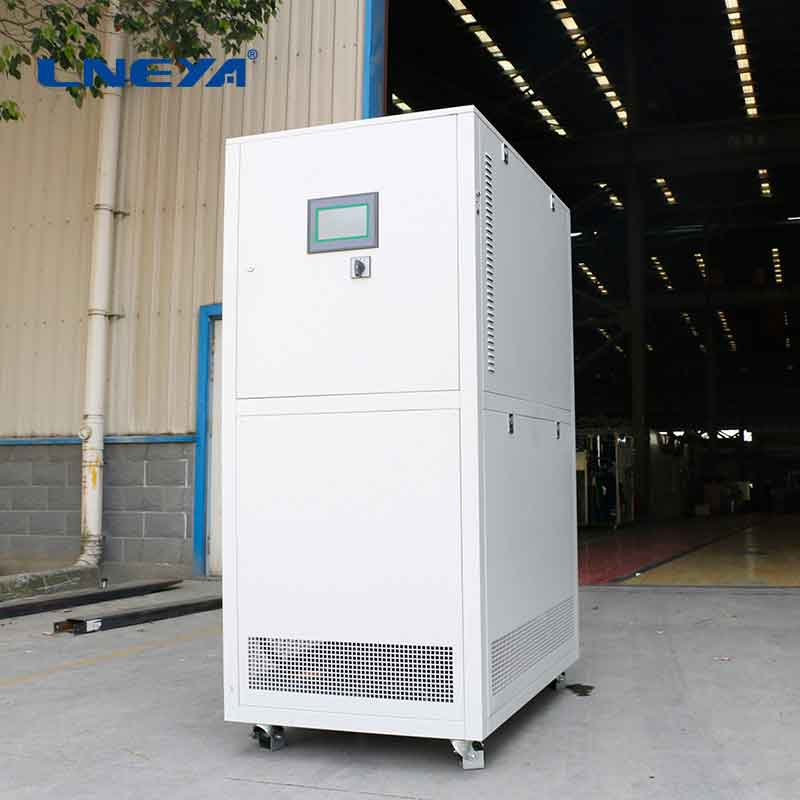
One of the most common applications of recirculating baths is in laboratory settings. In chemical laboratories, they are used to control the temperature during chemical reactions. For example, in a synthesis reaction where a specific temperature range is required for optimal product formation, a recirculating bath can provide a stable and controlled environment. In biological laboratories, recirculating baths are used for incubating samples, maintaining the temperature of enzyme reactions, and storing biological materials at specific temperatures.
In industrial applications, recirculating baths are used to maintain the temperature of various processes. In the manufacturing of pharmaceuticals, they can be used to control the temperature during the production of drugs. In the food industry, recirculating baths can be used for pasteurization or cooling processes. In the electronics industry, they are used to cool components during manufacturing or testing.
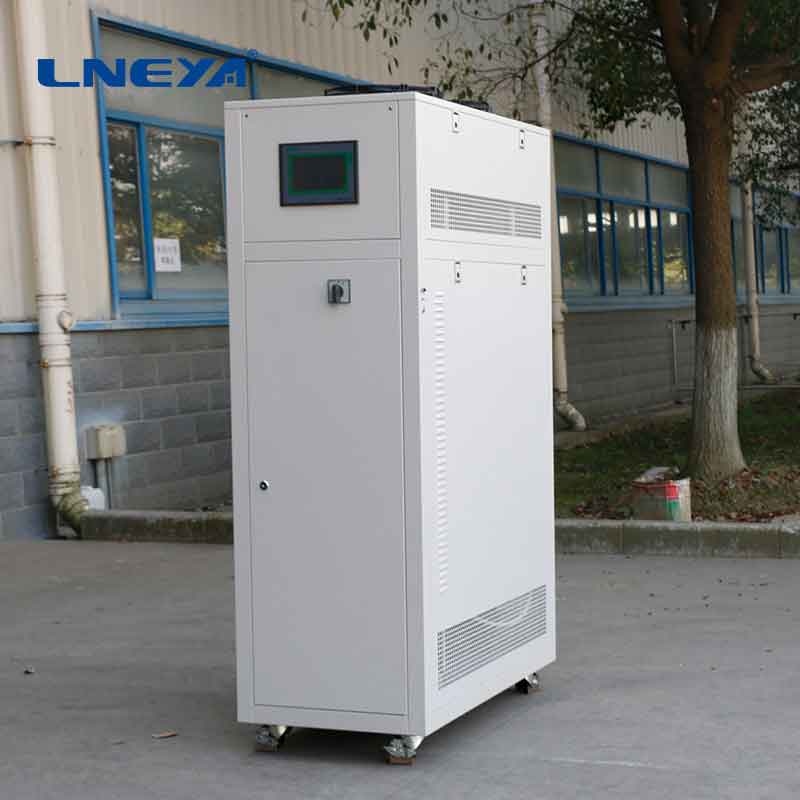
The working principle of a recirculating bath is based on the continuous circulation of the liquid. As the liquid passes through the heating or cooling element, its temperature is adjusted. The pump then circulates the liquid back to the system, ensuring that the temperature is evenly distributed throughout the bath. This continuous circulation helps to minimize temperature gradients and provides a more accurate and stable temperature environment.
Maintenance of a recirculating bath is important to ensure its long-term performance and accuracy. Regular cleaning of the reservoir is necessary to remove any contaminants or debris that may accumulate over time. Checking the fluid levels regularly and topping up as needed is also crucial. Additionally, the pump and other components should be inspected for any signs of wear or damage. If any issues are detected, they should be addressed promptly to avoid further problems.
In conclusion, recirculating baths are versatile and essential pieces of equipment in both scientific research and industrial processes. Their ability to provide precise temperature control and uniform temperature distribution makes them indispensable in many applications. By understanding their components, applications, working principle, and maintenance requirements, users can make the most of these valuable devices.
This content is copyrighted by LNEYA. If there is any infringement, please contact email: Lilia@lneya.com
The prev: oil circulator heatersThe next: small recirculating water chiller
Related recommendations

tensile test chamber
382Introduction to Tensile Test Chambers Tensile test chambers are critical in the field of materials testing, allowing for the evaluation of a material's mechanical properties under controlled te...
View detailscool and heat
578The Dynamics of Cool and Heat: Understanding Thermal Exchange The interplay of cool and heat is a fundamental aspect of our physical world, governing the behavior of matter and energy in variou...
View detailscool heat
225The concepts of cool and heat are integral to human life, influencing everything from our daily comfort in homes and workplaces to the intricate processes in industrial manufacturing. The ability ...
View detailsheater chiller circulator
254Introduction to Heater Chiller CirculatorsHeater chiller circulators are sophisticated pieces of equipment that play a pivotal role in maintaining precise temperature conditions across diverse fi...
View details




HelloPlease log in