 LNEYA Chiller

water cooled glycol chiller
A water cooled glycol chiller is a specialized cooling system designed to maintain low temperatures in various industrial, commercial, and institutional applications. It combines the use of a glycol-water mixture as the heat transfer fluid with a water-cooled condenser to dissipate heat, making it a highly efficient solution for scenarios requiring precise and consistent cooling, especially at sub-zero temperatures.
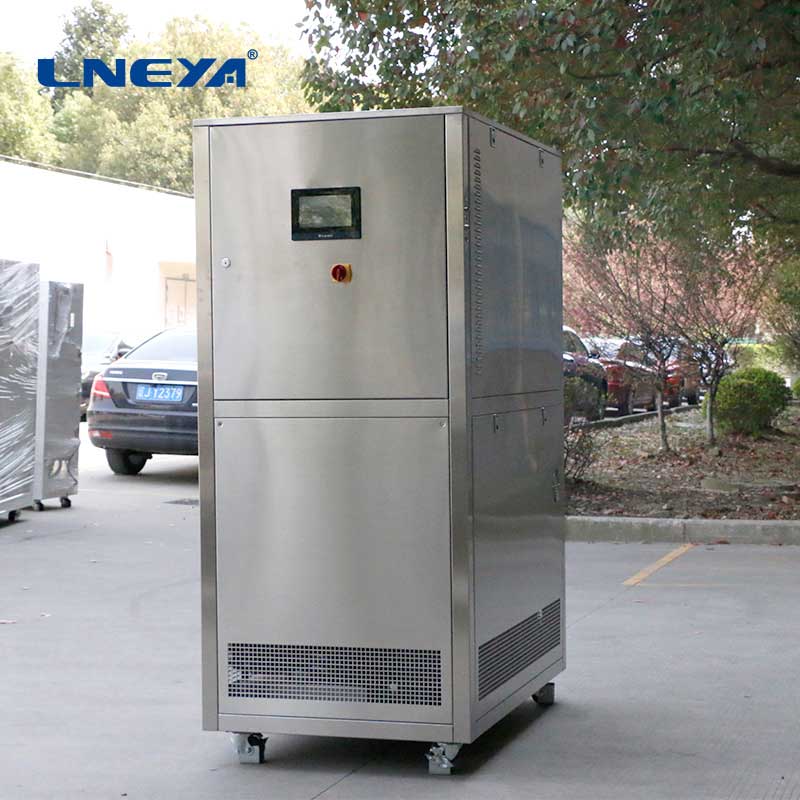
The working principle of a water cooled glycol chiller is based on the vapor-compression refrigeration cycle, with adaptations to accommodate the glycol mixture and water-cooled condensation. The process begins with the evaporator, where the glycol-water mixture (also called the secondary refrigerant) flows through a coil. A low-pressure, low-temperature liquid refrigerant circulates within the evaporator’s internal coil. Heat from the warm glycol mixture is transferred to the refrigerant, causing the refrigerant to vaporize into a low-pressure gas. As a result, the glycol mixture is cooled and then pumped through a closed loop to the equipment, process, or space needing cooling, where it absorbs heat before returning to the evaporator to repeat the cycle.
The low-pressure refrigerant vapor from the evaporator is drawn into the compressor, which compresses the vapor to increase its pressure and temperature. This high-pressure, high-temperature refrigerant gas then moves to the condenser. Unlike air-cooled chillers that use ambient air, the condenser in a water cooled glycol chiller is cooled by a separate stream of water (often from a cooling tower or a dedicated water source). Heat from the refrigerant is transferred to this cooling water, causing the refrigerant to condense into a high-pressure liquid. The now-warmed cooling water is then sent to a cooling tower, where the heat is dissipated into the atmosphere through evaporation, and the cooled water is recirculated back to the condenser.
The high-pressure liquid refrigerant proceeds to the expansion valve, which restricts its flow, reducing pressure and temperature. This converts the refrigerant into a low-pressure, low-temperature mixture of liquid and vapor, which re-enters the evaporator to absorb more heat, completing the cycle.
Key components of a water cooled glycol chiller work in harmony to ensure efficient operation. The evaporator is typically a shell-and-tube or plate heat exchanger, where the glycol mixture and refrigerant exchange heat. Shell-and-tube evaporators are common in larger systems, with the glycol mixture flowing through the shell and the refrigerant through the tubes, or vice versa. Plate evaporators, with their compact design and large surface area, are efficient for smaller to medium-sized applications.
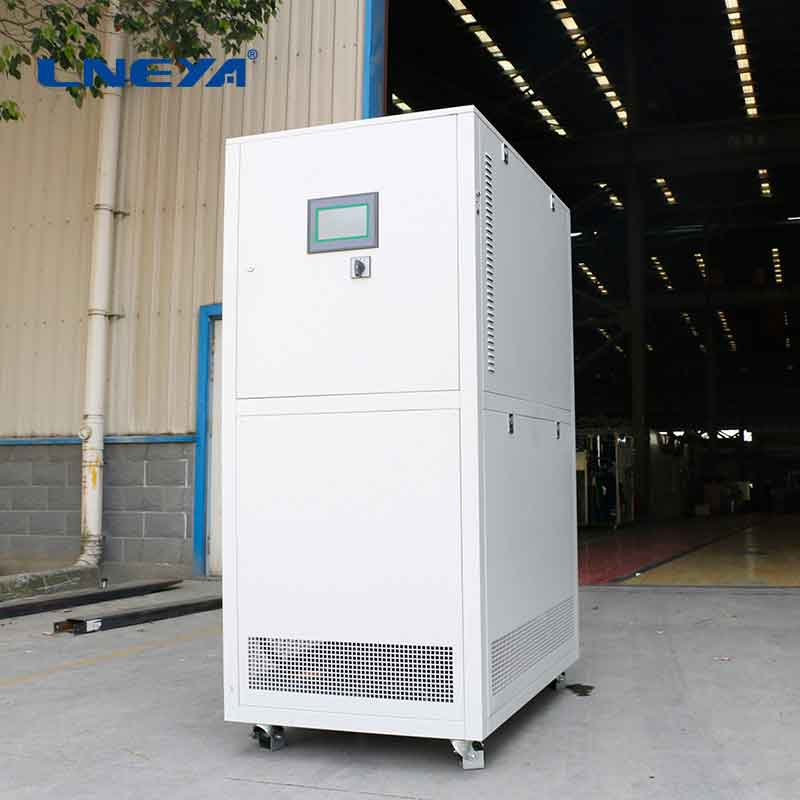
The compressor is the “heart” of the system, available in various types such as reciprocating, screw, scroll, or centrifugal. Reciprocating compressors use pistons and are suitable for medium-capacity applications, while screw compressors, with rotating helical screws, handle larger capacities and offer good part-load efficiency. Scroll compressors are known for quiet operation and high efficiency in small to medium systems, and centrifugal compressors are ideal for very large cooling loads, using rotating impellers to compress the refrigerant.
The condenser, like the evaporator, is often a shell-and-tube or plate heat exchanger. In shell-and-tube condensers, the high-pressure refrigerant flows through the tubes, and the cooling water circulates around them, absorbing heat. Plate condensers use stacked plates with alternating channels for refrigerant and cooling water, facilitating efficient heat transfer.
Pumps are critical for circulating the glycol mixture through the secondary loop (from the evaporator to the cooling load and back) and the cooling water through the condenser loop (from the condenser to the cooling tower and back). These pumps ensure a continuous flow rate, which is essential for maintaining consistent heat transfer.
The expansion valve regulates the flow of refrigerant into the evaporator, ensuring the optimal amount of refrigerant is present for efficient heat absorption. Types include thermostatic expansion valves (TXVs), which respond to temperature changes, and electronic expansion valves (EEVs), which offer precise control based on feedback from sensors, enhancing efficiency.
Glycol, either propylene glycol or ethylene glycol, is a key additive in the heat transfer fluid. Propylene glycol is non-toxic, making it suitable for food and beverage, pharmaceutical, and medical applications. Ethylene glycol has better heat transfer properties but is toxic, so it is used in industrial settings where safety concerns are minimal. The glycol concentration in the mixture is adjusted based on the minimum operating temperature; higher concentrations lower the freezing point but slightly reduce heat transfer efficiency. A typical concentration ranges from 20% to 50%, providing freeze protection down to -30°C or lower.
Water cooled glycol chillers offer several advantages over other chiller types. Their high efficiency is a primary benefit, as water is a more effective heat transfer medium than air. The water-cooled condenser allows the refrigerant to condense at lower temperatures compared to air-cooled systems, reducing the compressor’s workload and energy consumption. This makes them particularly efficient in hot climates, where air-cooled chillers struggle with high ambient temperatures.
They also provide better temperature control, with the ability to maintain precise temperatures (often within ±0.1°C), which is crucial for applications like pharmaceutical manufacturing, laboratory processes, and semiconductor production. Additionally, water cooled glycol chillers operate more quietly than air-cooled models since the condenser fans (a major noise source in air-cooled systems) are absent; the primary noise comes from the compressor and pumps, which can be easily insulated.
These chillers have a smaller footprint than air-cooled units of the same capacity, as water-cooled condensers are more compact than air-cooled ones. This is beneficial in facilities with limited space. They are also less affected by ambient conditions, as the cooling water temperature (regulated by the cooling tower) is more stable than fluctuating ambient air temperatures, ensuring consistent performance year-round.
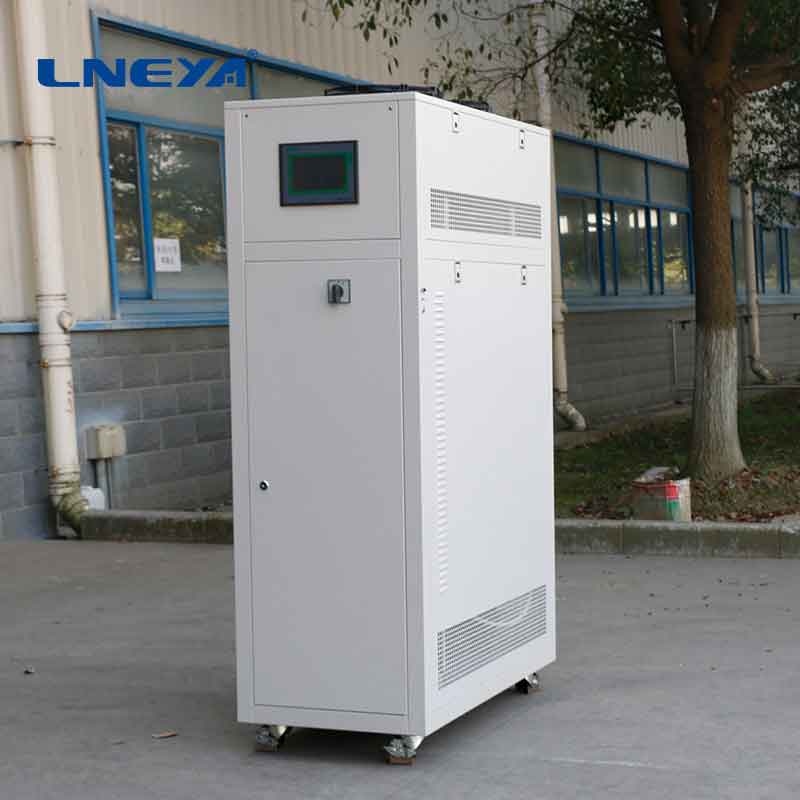
Water cooled glycol chillers find applications in diverse industries. In the food and beverage industry, they cool fermentation tanks, dairy processing equipment, and cold storage facilities. The non-toxic propylene glycol is often used here to ensure food safety, and precise temperature control prevents spoilage and maintains product quality.
The pharmaceutical sector relies on these chillers to cool reactors, distillation equipment, and cleanrooms, where strict temperature ranges are required for drug formulation and production. They also maintain stable temperatures in laboratory refrigerators and freezers.
Industrial manufacturing uses water cooled glycol chillers in processes such as plastic injection molding, where cooling molds quickly and uniformly ensures product consistency. Metalworking operations use them to cool cutting fluids, preventing tool overheating and extending tool life. They are also essential in semiconductor manufacturing, where they cool lithography machines and other precision equipment to maintain tight tolerances.
Data centers use these chillers to cool server rooms, especially in large facilities where high cooling capacity and efficiency are critical. The stable cooling provided by water cooled systems helps prevent server overheating and ensures reliable operation.
When selecting a water cooled glycol chiller, several factors must be considered. Cooling capacity, measured in tons or kilowatts (kW), must match the heat load of the application. Calculating the heat load involves considering the temperature difference between the supply and return glycol mixture, the flow rate of the mixture, and any heat gains from the environment.
Glycol type and concentration are determined by the application’s temperature requirements and safety considerations. For food-grade or medical applications, propylene glycol is mandatory, while ethylene glycol may be chosen for industrial use where toxicity is not a concern. The concentration must be sufficient to prevent freezing at the lowest operating temperature, with a safety margin to account for unexpected temperature drops.
Energy efficiency, indicated by the coefficient of performance (COP), is crucial for minimizing operating costs. A higher COP means the chiller converts more electrical energy into cooling. Features like variable speed drives (VSDs) on compressors and pumps can adjust output based on demand, improving part-load efficiency.
Material compatibility is important to prevent corrosion and degradation. The chiller’s components (evaporator, pipes, pumps) in contact with the glycol mixture should be made of materials like stainless steel, copper, or brass, which are resistant to the glycol’s properties. For corrosive environments, titanium or nickel alloys may be required.
Temperature control precision is a key factor for applications needing tight temperature ranges. Chillers with advanced digital controllers and sensors can maintain setpoints with high accuracy, while remote monitoring capabilities allow for real-time adjustments and troubleshooting.
Cooling water quality is vital for the condenser’s performance and longevity. The water from the cooling tower or other source must be treated to prevent scaling, corrosion, and biological growth (such as Legionella). Filtration systems and chemical treatments (biocides, scale inhibitors) are necessary to maintain water quality and protect the condenser.
Maintenance of a water cooled glycol chiller is essential to ensure reliability, efficiency, and a long service life. Regular inspection and cleaning of the evaporator and condenser are critical to remove fouling (scale, dirt, or biological deposits) that reduces heat transfer efficiency. This can be done through chemical cleaning, mechanical brushing, or high-pressure water jetting, depending on the fouling type.
Checking the glycol mixture’s concentration and pH levels is important. Over time, glycol can degrade, and its concentration may decrease due to leaks or dilution. Testing kits can measure concentration, and adjustments (adding glycol or water) ensure it remains within the optimal range. The pH level should be maintained between 8.0 and 10.0 to prevent corrosion; if too low, corrosion inhibitors can be added.
Compressor maintenance includes checking refrigerant levels for leaks, inspecting oil levels and quality, and ensuring proper operation of valves and controls. Low refrigerant levels reduce cooling capacity and can damage the compressor, while contaminated oil affects lubrication and efficiency.
Pumps and motors require regular lubrication, alignment checks, and inspection for leaks or wear. Bearing wear, impeller damage, or seal leaks can reduce pump efficiency and lead to failure if not addressed promptly.
Cooling tower maintenance (for systems using one) is closely linked to the chiller’s performance. Regular cleaning of the tower’s fill, sump, and distribution system prevents debris buildup and biological growth. Water treatment levels should be monitored and adjusted to maintain proper pH, conductivity, and biocide concentrations.
Control systems, including sensors, controllers, and safety switches, should be calibrated regularly to ensure accurate operation. Malfunctioning sensors can lead to incorrect temperature readings and inefficient chiller operation, while faulty safety switches may fail to shut down the system in case of overheating or high pressure, posing risks.
In conclusion, water cooled glycol chillers are efficient, reliable, and versatile cooling systems that play a vital role in numerous industries. By combining the benefits of water-cooled condensation (high efficiency, stable performance) with the freeze protection of glycol mixtures, they provide precise cooling even at sub-zero temperatures. Understanding their working principles, components, advantages, applications, selection criteria, and maintenance needs is essential for maximizing their performance and ensuring long-term, cost-effective operation.
This content is copyrighted by LNEYA. If there is any infringement, please contact email: Lilia@lneya.com
The prev: chiller system workingThe next: water chiller plant working
Related recommendations

How does a 5 ton chiller work?
995How does a 5 ton chiller work? In most cooling applications, the pump system circulates cold water or ethylene glycol solution from the cooler to remove heat. This cold fluid carries aw...
View details
liquid cooling temperature
772Understanding Liquid Cooling Temperature ManagementLiquid cooling systems have become indispensable in managing the heat generated by high-performance computing equipment. As data centers continue...
View detailssmall water chiller unit
856Small Water Chiller Units: Efficient Cooling for Limited Spaces Small water chiller units are increasingly becoming the cooling system of choice for a variety of applications where space is at ...
View detailswater chilling systems
490Introduction to Water Chilling Systems Water chilling systems are central cooling systems that utilize chilled water as a medium to transfer heat away from spaces or equipment. The heart of the...
View details




HelloPlease log in