 LNEYA Chiller

10 ton water cooled chiller
vWorking Principles
The working principle of a 10 ton water cooled chiller is consistent with the general refrigeration cycle of water cooled chillers but scaled to its specific capacity:
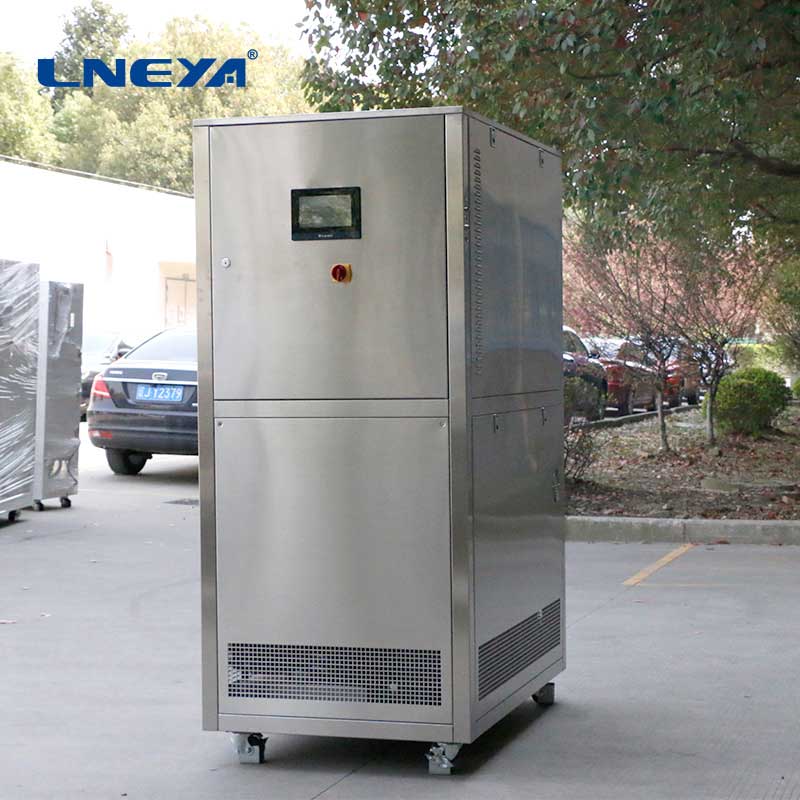
Compression: The compressor in the 10 ton unit draws in low-pressure refrigerant vapor and compresses it into high-pressure, high-temperature vapor. The compressor type (scroll, screw, etc.) is chosen to match the 10-ton capacity, ensuring efficient operation.
Condensation: The hot refrigerant vapor flows into the water cooled condenser, where it transfers heat to the cooling water supplied from a cooling tower. This heat transfer causes the refrigerant to condense into a high-pressure liquid.
Expansion: The high-pressure liquid refrigerant passes through an expansion valve, which reduces its pressure and temperature, converting it into a low-pressure mixture of liquid and vapor suitable for the evaporator.
Evaporation: In the evaporator, the refrigerant mixture absorbs heat from the water or process fluid being cooled, evaporating into low-pressure vapor. The cooled fluid is then circulated to the area or equipment needing cooling, while the refrigerant vapor returns to the compressor to repeat the cycle. The water that absorbed heat in the condenser is cooled in the cooling tower before being recirculated.
Key Components
A 10 ton water cooled chiller includes components tailored to its capacity:
Compressor: For a 10 ton unit, scroll compressors are commonly used due to their efficiency and suitability for medium capacities. They provide reliable compression of the refrigerant, ensuring the chiller meets the 10-ton cooling demand.
Water Cooled Condenser: Typically a shell-and-tube or plate heat exchanger sized to handle the heat load of 10 tons. It efficiently transfers heat from the refrigerant to the cooling water, with dimensions and design optimized for the unit’s capacity.
Evaporator: Matched to the 10-ton capacity, it is a heat exchanger where the refrigerant absorbs heat from the process fluid. Its size and design ensure sufficient heat transfer to achieve the required cooling effect.
Expansion Valve: Calibrated to control the refrigerant flow into the evaporator, ensuring the right amount of refrigerant is supplied to meet the 10-ton cooling load.
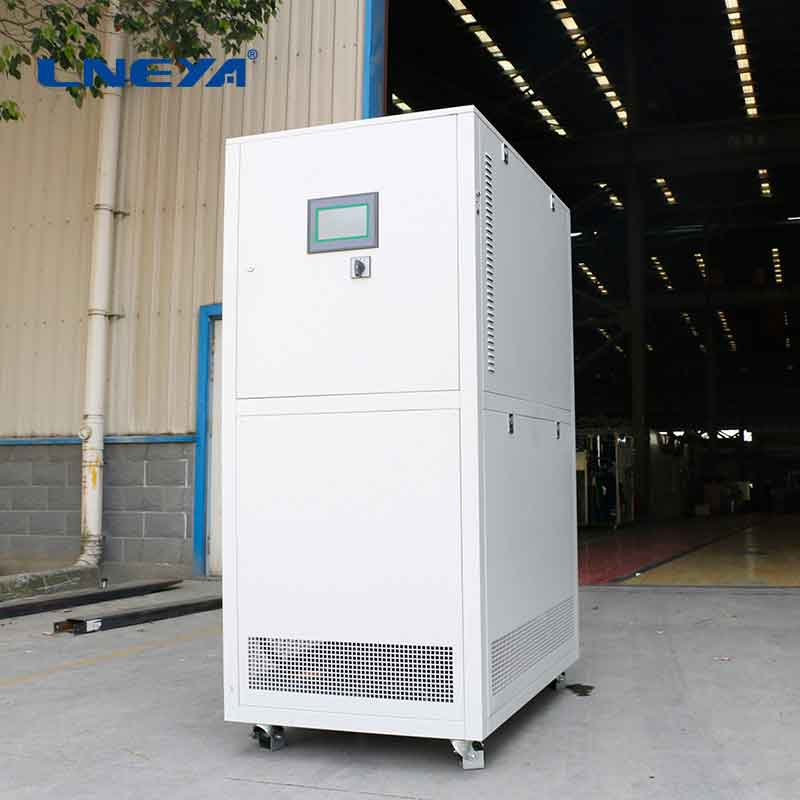
Cooling Tower: An auxiliary component sized to provide adequate cooling water for the 10 ton chiller. It cools the water exiting the condenser, maintaining the necessary temperature for efficient heat transfer in the condenser.
Pumps and Piping: Pumps with appropriate flow rates circulate the cooling water and process fluid, while piping is sized to handle the volumes required for a 10-ton system, ensuring minimal pressure drop.
Control System: Equipped with sensors and controllers to monitor and adjust parameters such as temperature, pressure, and flow rates, ensuring the chiller operates at peak efficiency for its 10-ton capacity. It may include features like load adjustment to match varying cooling demands.
Typical Applications
The 10-ton cooling capacity makes these chillers suitable for a range of medium-scale applications:
Medium-Sized Commercial Spaces: Used in small to medium office buildings, restaurants, hotels with limited rooms, and retail stores. They provide centralized cooling for spaces where larger chillers would be excessive and smaller units insufficient.
Light Industrial Processes: Ideal for small manufacturing operations, such as precision machining, small plastic molding, and food processing facilities with moderate heat loads. They cool machinery and process fluids to maintain product quality.
Laboratories and Research Facilities: Used to cool laboratory equipment like incubators, spectrometers, and small-scale reaction systems that require precise temperature control. The 10-ton capacity is often sufficient for multiple pieces of equipment or a dedicated lab area.
Medical Clinics and Small Healthcare Facilities: Cool medical equipment such as ultrasound machines, small MRI units, and laboratory refrigerators. They also help maintain comfortable temperatures in patient examination rooms and small operating areas.
Data Centers (Small to Medium): Suitable for cooling server rooms in small to medium data centers or IT closets, where the heat load from servers is within the 10-ton range, preventing overheating and ensuring equipment reliability.
Energy Efficiency
10 ton water cooled chillers offer good energy efficiency, particularly when compared to air cooled chillers of similar capacity. Key factors contributing to their efficiency include:
Proper Sizing: Being matched to a 10-ton load, they operate closer to their peak efficiency more often than oversized units, reducing energy waste.
Efficient Compressors: Scroll compressors, commonly used in 10 ton units, offer high efficiency at part loads, which is beneficial as cooling demands often fluctuate.
Optimized Heat Exchangers: Condensers and evaporators in 10 ton chillers are designed with appropriate surface areas and flow rates to maximize heat transfer, minimizing energy consumption by the compressor.
Control Systems: Advanced control systems allow for precise adjustment of the chiller’s output to match varying cooling loads, ensuring energy is not wasted on overcooling.
The coefficient of performance (COP) for 10 ton water cooled chillers is typically higher than that of air cooled chillers of the same capacity, resulting in lower operational costs over time, even with the initial investment in a cooling tower.
Maintenance
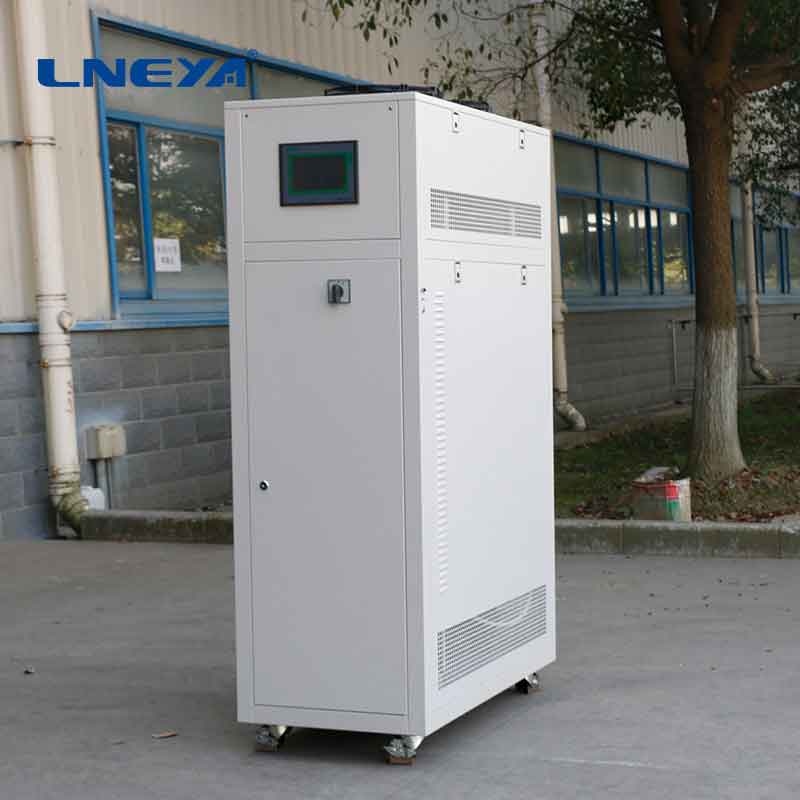
Proper maintenance is essential to keep a 10 ton water cooled chiller operating efficiently and reliably:
Condenser Cleaning: Regularly clean the condenser tubes to remove scale, dirt, and debris. For 10 ton units, which may have smaller tubes than larger chillers, even minor blockages can significantly reduce efficiency. Methods like chemical cleaning or mechanical brushing are effective.
Cooling Tower Maintenance: Ensure the cooling tower is cleaned regularly to prevent algae growth and scale buildup, which can reduce the cooling water’s effectiveness. Maintain proper water chemistry to protect the condenser from corrosion.
Compressor Care: Check compressor oil levels and quality, replacing oil and filters as recommended by the manufacturer. Monitor for unusual noises or vibrations, which may indicate issues in the compressor, critical for maintaining the 10-ton cooling capacity.
Refrigerant Checks: Inspect for refrigerant leaks and maintain the correct charge level. A 10 ton chiller relies on precise refrigerant amounts to achieve its cooling capacity, and leaks can lead to reduced performance and increased energy use.
Pump and Piping Inspection: Ensure pumps are operating at the correct flow rates, as insufficient flow can reduce heat transfer efficiency. Check piping for leaks and blockages, repairing or replacing components as needed.
Control System Calibration: Regularly calibrate the control system to ensure accurate temperature and pressure readings. This ensures the chiller adjusts its operation correctly to meet the 10-ton load, maintaining efficiency.
In conclusion, 10 ton water cooled chillers are versatile, medium-capacity cooling systems that balance performance and efficiency. Their 10-ton cooling capacity makes them ideal for a range of commercial and light industrial applications, providing reliable cooling where larger units are unnecessary. Understanding their working principles, components, applications, and maintenance needs is key to maximizing their lifespan and efficiency.
This content is copyrighted by LNEYA. If there is any infringement, please contact email: Lilia@lneya.com
The prev: water cooler temperature controlThe next: 5 ton water cooled chiller
Related recommendations

difference between air cooled chiller and water cooled chiller
557The Distinction Between Air-Cooled and Water-Cooled Chillers Industrial processes often require precise temperature control to ensure efficiency and product quality. Chillers play a crucial rol...
View detailschiller companies
504Chiller companies are at the heart of the cooling technology sector. They are responsible for designing, manufacturing, installing, and maintaining chiller systems that are crucial for a vast numb...
View detailswater cooled chiller working
307The Role of Water Cooled ChillersWater cooled chillers are designed to remove heat from a process or environment by cooling a fluid, typically water or a water - glycol mixture. They are crucial i...
View detailsParameters and Requirements of Chiller Selection
1312Parameters and Requirements of Chiller Selection In industrial production, the equipment will generate heat during operation. If the heat cannot be dissipated in time, it will affect the nor...
View details




HelloPlease log in