 LNEYA Chiller

thermic fluid system
Introduction to Thermic Fluid Systems
Thermic fluid systems play a critical role in the efficient management of heat in numerous industrial processes. These systems are designed to transfer heat generated by a heat source to a process or equipment that requires heating, ensuring optimal temperature control and energy efficiency. This article provides an in-depth look at the components, operation, benefits, and applications of thermic fluid systems, highlighting their importance in various industries.
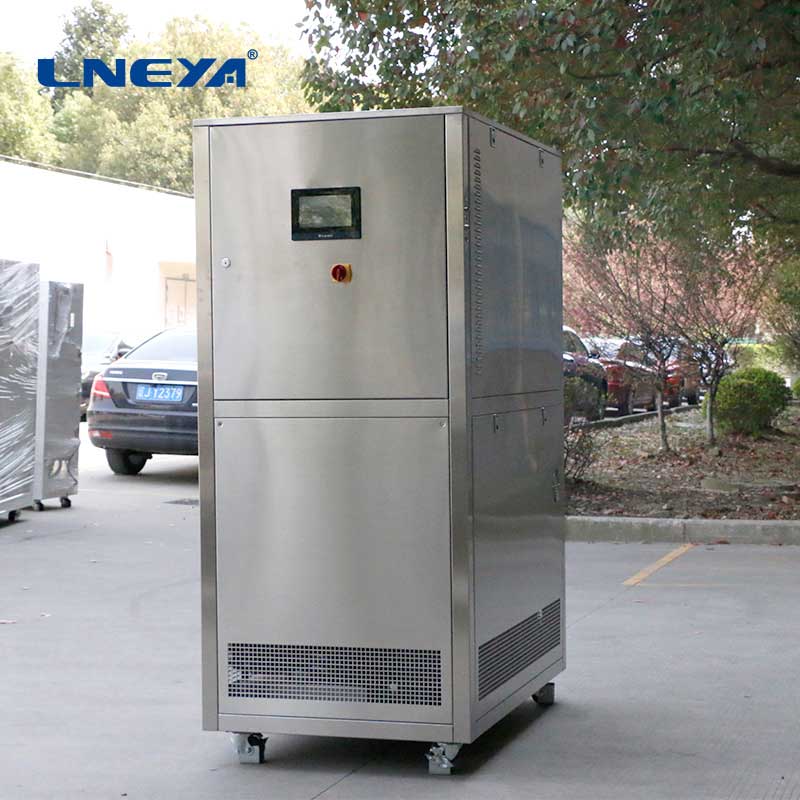
Components of a Thermic Fluid System
A typical thermic fluid system consists of several key components:
Heat Source: This can be a boiler, furnace, or any other heat-generating equipment that produces the necessary heat for the process.
Heat Transfer Fluid: A specialized fluid that circulates through the system, absorbing heat from the source and transferring it to the process. The fluid is chosen based on its thermal stability, heat capacity, and resistance to degradation.
Pumps: These are used to circulate the heat transfer fluid through the system, ensuring a continuous flow of heat.
Heat Exchangers: These devices facilitate the transfer of heat from the fluid to the process or equipment that requires heating.
Expansion Tanks: They accommodate the expansion of the fluid as it heats up, preventing pressure buildup in the system.
Control Systems: These monitor and regulate the temperature, pressure, and flow of the fluid to ensure optimal performance.
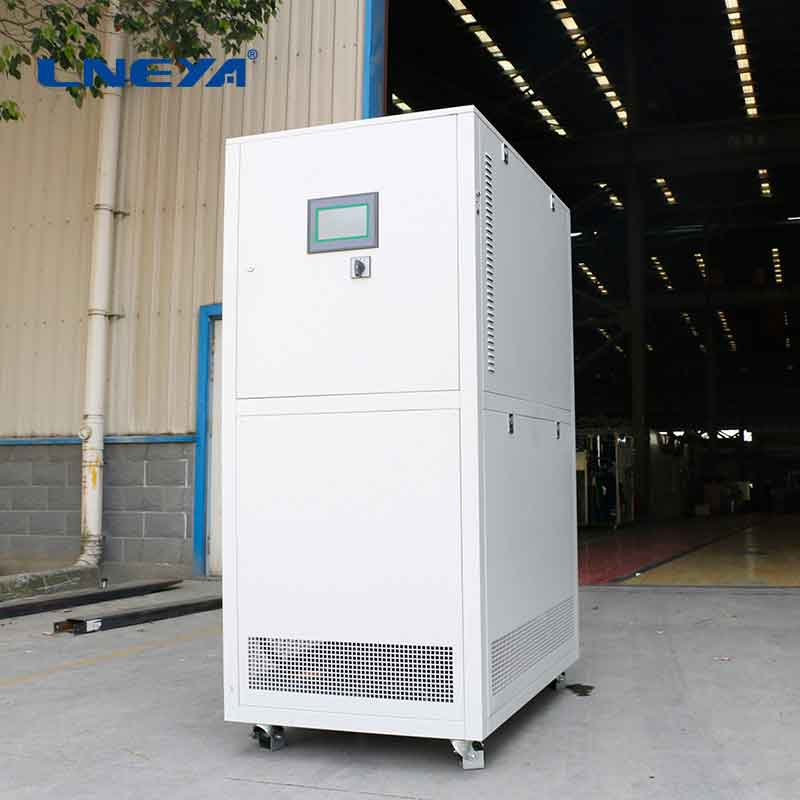
Operation of Thermic Fluid Systems
The operation of a thermic fluid system involves the following steps:
The heat transfer fluid is heated by the heat source.
The heated fluid is pumped through the system to the heat exchanger.
The heat exchanger transfers the heat from the fluid to the process or equipment.
The cooled fluid returns to the heat source to be reheated, and the cycle continues.
Benefits of Thermic Fluid Systems
Thermic fluid systems offer several benefits, including:
Energy Efficiency: They provide efficient heat transfer, minimizing energy loss and improving overall process efficiency.
Temperature Control: They allow for precise control of process temperatures, ensuring consistent product quality.
Safety: The closed-loop design of these systems reduces the risk of烫伤 and fire hazards associated with open flames or hot surfaces.
Longevity: The use of specialized heat transfer fluids can extend the life of the system and the equipment it heats.
Versatility: Thermic fluid systems can be adapted to a wide range of applications and processes.
Applications of Thermic Fluid Systems
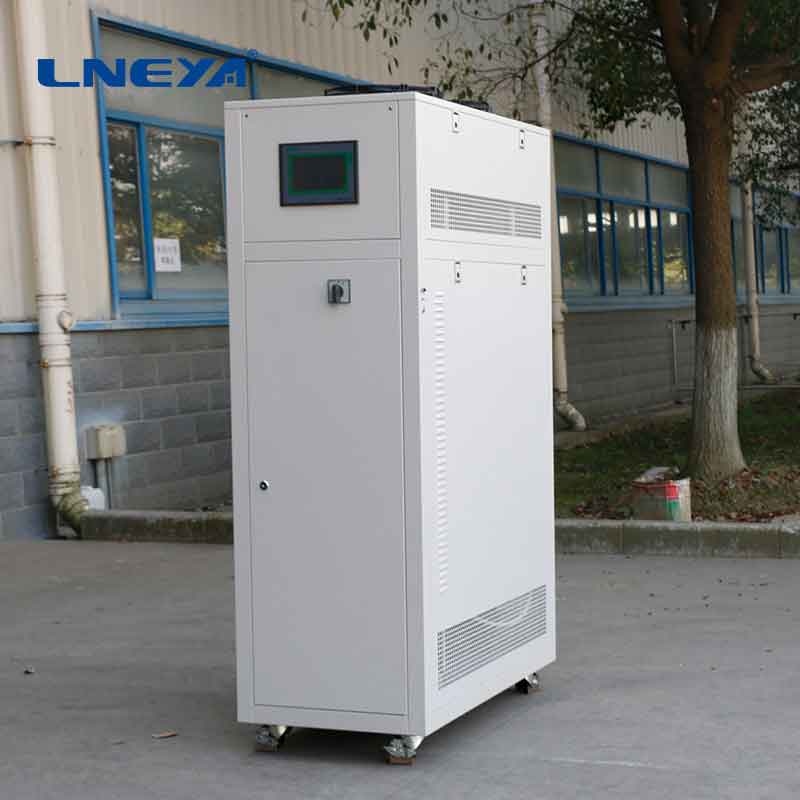
Thermic fluid systems are used in various industries and applications, including:
Chemical Processing: They provide precise temperature control for chemical reactions and processes.
Food and Beverage Processing: They are used for heating and cooling processes in food and beverage production.
Textile Industry: They are employed for drying and heat setting processes in textile manufacturing.
Pulp and Paper Industry: They are used for drying and heating processes in paper production.
Plastics and Rubber Industry: They provide heat for melting and molding processes in the production of plastics and rubber products.
Conclusion
Thermic fluid systems are essential in maintaining process efficiency and safety in various industries. Their ability to efficiently transfer heat and provide precise temperature control makes them a valuable asset in industrial processes. As technology advances, the design and operation of these systems continue to improve, further enhancing their performance and reliability.
Note: This article is intended for informational purposes only and does not endorse or promote any specific products or services. It is designed to provide a comprehensive understanding of thermic fluid systems and their importance in industrial applications.
This content is copyrighted by LNEYA. If there is any infringement, please contact email: Lilia@lneya.com
The prev: thermal testing of electronicsThe next: thermic fluid heating system
Related recommendations

1.5 ton water chiller price
480Determining the Price of a 1.5-Ton Water Chiller When considering the purchase of a 1.5-ton water chiller, it's important to understand the factors that contribute to its price. The cost of a c...
View details10 ton glycol chiller
537A 10-ton glycol chiller is a robust industrial refrigeration system capable of managing temperature control in a variety of applications. These chillers are specifically designed to circulate a mi...
View detailsair cooled fluid cooler
581Air-Cooled Fluid Coolers: Design, Operation, and Efficiency Introduction Air-cooled fluid coolers are essential in various industrial processes for their ability to maintain fluid temperatur...
View detailsdifferent type of chillers
461Different Types of ChillersChillers are devices that play a crucial role in various industries and applications by removing heat from a process or space and rejecting it to the environment. There...
View details




HelloPlease log in