 LNEYA Chiller

1.5 ton water chiller price
Determining the Price of a 1.5-Ton Water Chiller
When considering the purchase of a 1.5-ton water chiller, it’s important to understand the factors that contribute to its price. The cost of a chiller is influenced by its type, cooling capacity, energy efficiency, and additional features that enhance its performance and reliability.
Type of Chiller
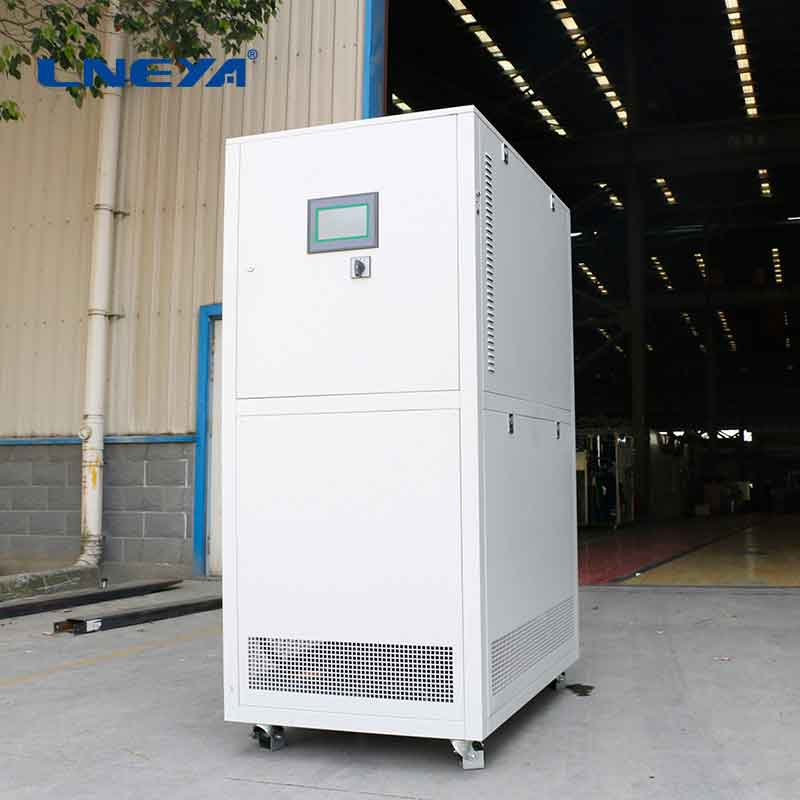
The two main types of water chillers are air-cooled and water-cooled. Air-cooled chillers use ambient air to dissipate heat and are generally more expensive to purchase but may have lower operating costs due to the absence of a cooling tower and its associated maintenance. Water-cooled chillers, on the other hand, use water as a heat transfer medium and are more suitable for larger applications and continuous operation. They are typically more efficient but require additional components like cooling towers, which can increase the initial investment.
Capacity and Cooling Technology
The cooling capacity of a chiller is measured in tons, with a 1.5-ton chiller being capable of removing 18,000 BTU/HR of heat. Chillers with higher capacities will naturally be more expensive. The cooling technology also plays a role in the price, with advanced compressors and refrigeration cycles contributing to a higher cost but also improved efficiency.
Energy Efficiency
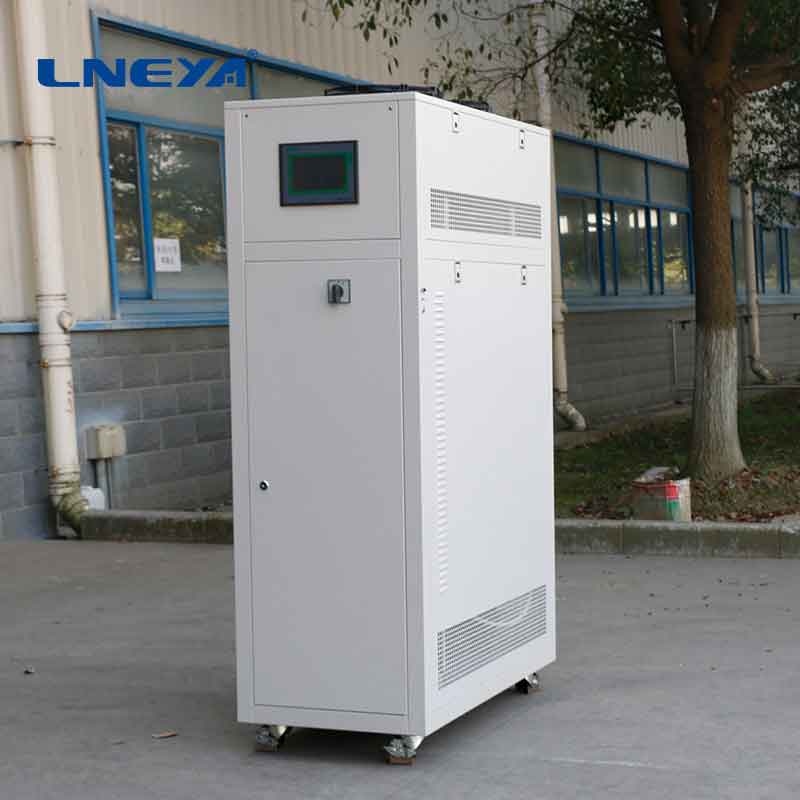
Energy-efficient chillers may have a higher initial cost due to the use of more advanced components and technology. However, they can lead to significant cost savings over time by reducing energy consumption. Look for chillers with high EER (Energy Efficiency Ratio) or COP (Coefficient of Performance) ratings to ensure you’re investing in a cost-effective solution.
Additional Features
Features such as variable speed drives, smart controls, and heat recovery options can increase the price of a chiller. These features can enhance the performance, flexibility, and reliability of the chiller, making them a worthwhile investment for many applications.
Market Trends and Competitive Landscape
The global water chillers market is expected to grow at a CAGR of 4.2% from 2023 to 2032, with a market size projected to reach USD 7.8 billion by 2032. Key players in the market include Daikin Industries, Trane Technologies, and Johnson Controls International, among others. These companies offer a wide range of chiller models, from small to large capacities, catering to various industrial, commercial, and residential needs.
Pricing Overview
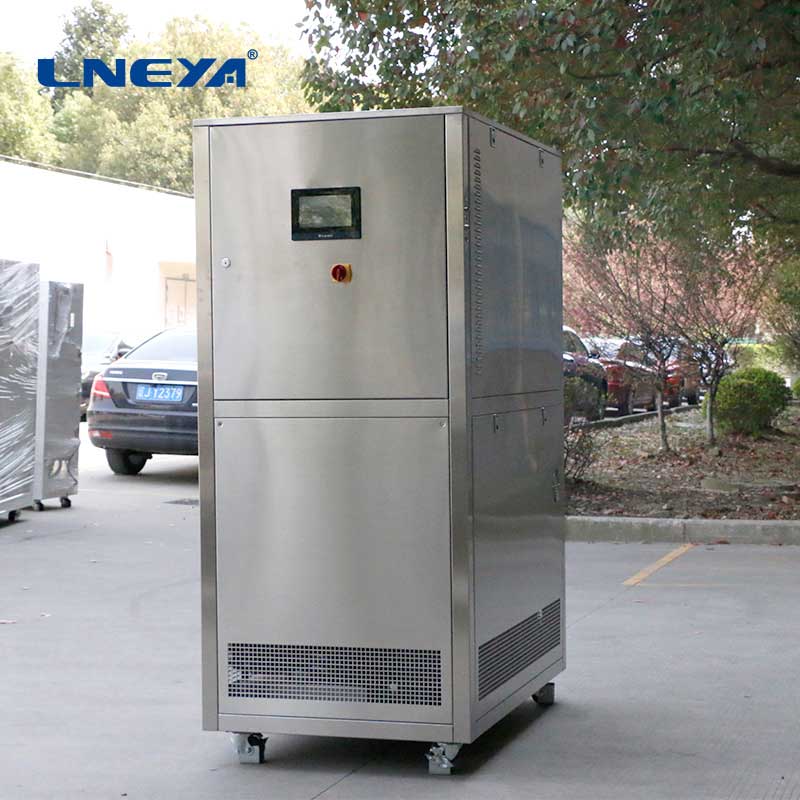
The starting price for a 1.5-ton air-cooled chiller can be as low as $7,200, but this can vary depending on the specific model, features, and manufacturer. It’s essential to compare different models and brands to find the best value for your investment. Factors such as warranty, after-sales service, and the manufacturer’s reputation should also be considered when making a purchase decision.
Conclusion
The price of a 1.5-ton water chiller is determined by a combination of factors, including the type of chiller, its cooling capacity, energy efficiency, and additional features. By understanding these factors and considering the market trends, you can make an informed decision and choose a chiller that meets your needs and budget. Always compare different models and consult with industry experts to ensure you’re getting the best value for your money.
This content is copyrighted by LNEYA. If there is any infringement, please contact email: Lilia@lneya.com
The prev: small water chiller priceThe next: chiller 24 kw
Related recommendations

water glycol cooling system
473Water Glycol Cooling Systems: A Comprehensive Guide Water glycol cooling systems are widely used in industrial and commercial applications to maintain optimal temperatures. These systems levera...
View detailsthermal chucks
765Introduction to Thermal Chucks Thermal chucks, or hot chucks, are integral to the semiconductor industry, particularly in the areas of wafer probing, characterization, inspection, and failure a...
View detailsrecirculating water cooling system
324IntroductionIn numerous industrial and commercial applications, maintaining optimal operating temperatures is crucial for the efficient and reliable functioning of equipment and processes. Recirc...
View detailsChiller Classification and Analysis of Advantages and Disadvantages
1299Chiller Classification and Analysis of Advantages and Disadvantages Chillers have many titles in the industry, including chillers, industrial chillers, screw chillers, scroll chillers, compa...
View details




HelloPlease log in