 LNEYA Chiller

7.5 ton chiller
A 7.5-ton chiller is a robust industrial cooling system capable of removing 7.5 tons of heat per hour, equivalent to 27,000 British Thermal Units (BTUs) per hour. These chillers are engineered to meet the cooling demands of large-scale processes and are essential in various industries, including manufacturing, commercial HVAC systems, and data centers.
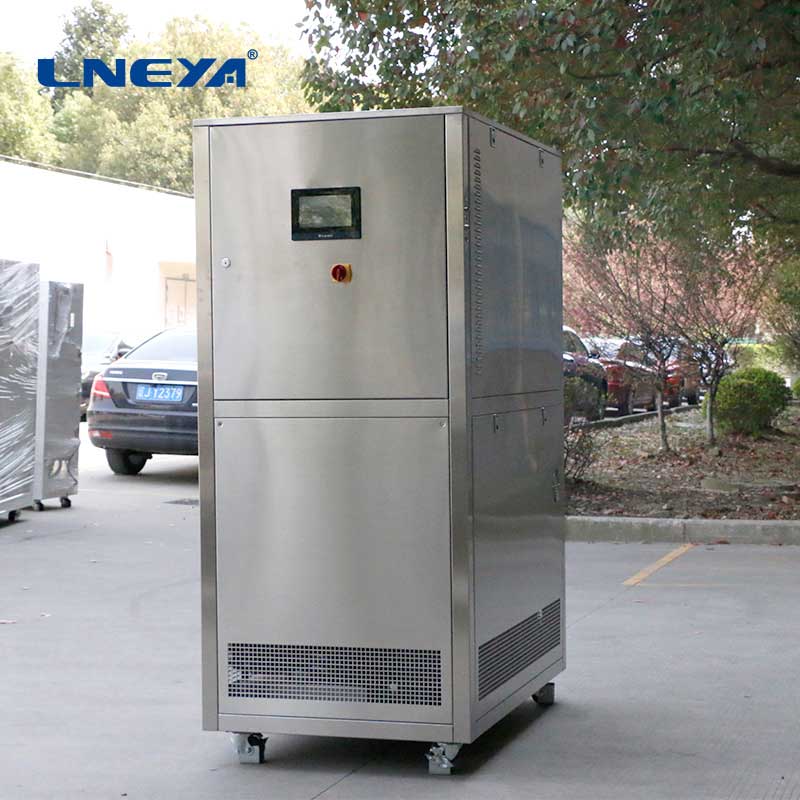
Key Specifications and Features
Cooling Capacity: A 7.5-ton chiller provides a cooling capacity of 7.5 tons, with some models offering a slight variation depending on the manufacturer and configuration.
Compressor Type: Chillers in this class often feature hermetic scroll compressors, known for their efficiency, reliability, and low maintenance requirements.
Refrigerant: Environmentally friendly refrigerants such as R-410A are commonly used, offering a non-ozone depleting alternative for cooling systems.
Process Pump: Centrifugal pumps with high flow rates are typical, ensuring efficient circulation of coolant within the system.
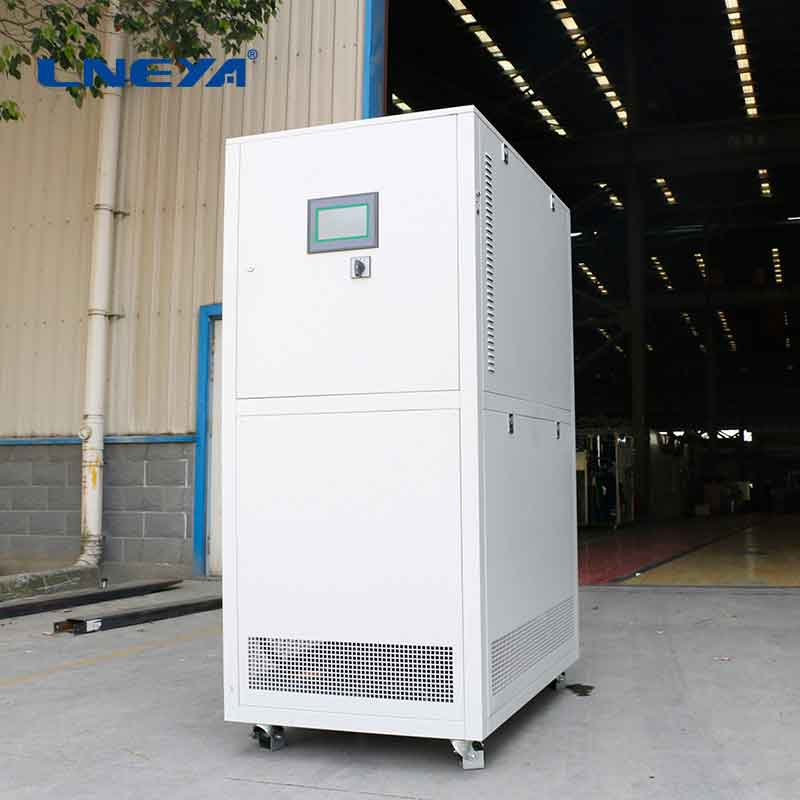
Control Systems: Modern 7.5-ton chillers come with advanced control systems, including electronic temperature controllers and remote monitoring capabilities via IoT integration.
Types of 7.5-Ton Chillers
Air-Cooled Chillers: These chillers use air as a cooling medium and are suitable for applications where water sources are limited or where installation space is constrained.
Water-Cooled Chillers: These models require a source of water, such as a cooling tower or water loop, and are generally more efficient in warmer climates or where water is readily available.
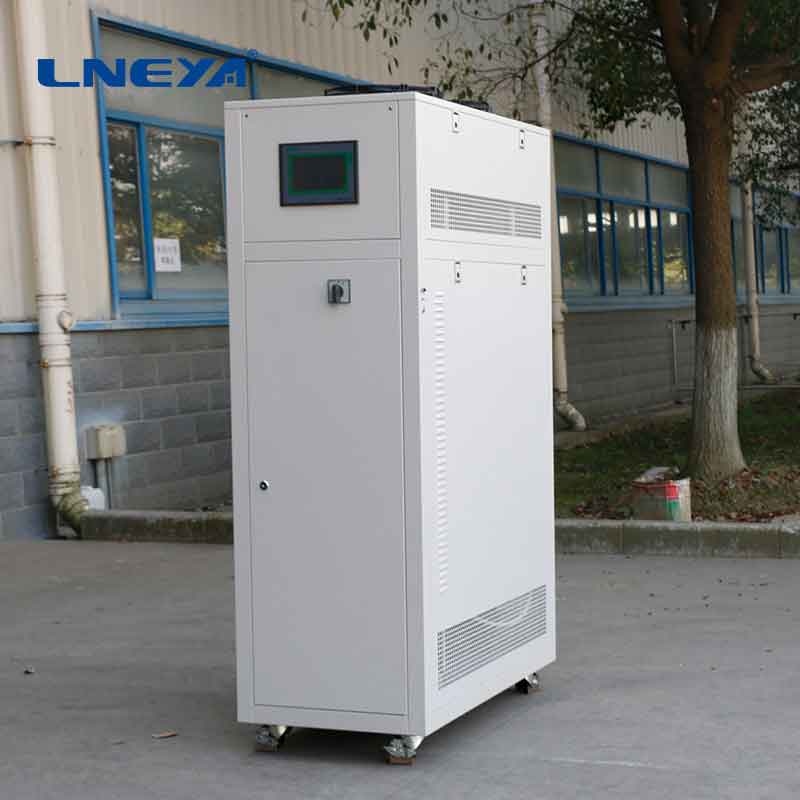
Portable Chillers: Designed for ease of movement, portable chillers often include an integrated tank and pump, making them a plug-and-play solution for temporary or movable cooling needs.
Stationary Chillers: These chillers are designed for permanent installation and may require external tanks and pumps.
Reverse Flow Chillers: These units are designed for applications where the coolant source is located near the chiller, allowing for gravity feed and specific flow and pressure requirements.
Applications
7.5-ton chillers are used in a variety of applications, including:
Manufacturing Processes: In industries such as plastics, food processing, and chemical production, where precise temperature control is required for process efficiency and product quality.
Commercial Buildings: For large office buildings, shopping centers, and hotels, where maintaining a comfortable indoor temperature is essential for occupant comfort and energy efficiency.
Data Centers: To cool servers and IT equipment, ensuring optimal performance and preventing overheating.
Maintenance and Energy Efficiency
Proper maintenance of 7.5-ton chillers is crucial for ensuring their efficiency and longevity. Regular checks, cleaning of heat exchangers, and monitoring of refrigerant levels are necessary. Energy efficiency can be improved through the use of variable frequency drives (VFDs) for the compressors and pumps, as well as by optimizing the chiller’s operation based on the actual cooling load.
Market Trends
The market for 7.5-ton chillers is influenced by factors such as the need for energy-efficient cooling solutions, the growth of industries that require process cooling, and advancements in refrigeration technology. As the demand for sustainable and environmentally friendly practices grows, the market is increasingly moving towards chillers with high efficiency and the use of eco-friendly refrigerants.
In conclusion, 7.5-ton chillers are indispensable in various industries for their ability to provide substantial cooling capacities. With advancements in technology and a focus on energy efficiency, these chillers continue to evolve, offering more reliable and sustainable cooling solutions for a wide range of applications.
This content is copyrighted by LNEYA. If there is any infringement, please contact email: Lilia@lneya.com
The prev: chiller 4 kwThe next: chiller heating system
Related recommendations

1.5 hp glycol chiller
764Understanding 1.5 HP Glycol Chillers A 1.5 HP glycol chiller is an air-cooled chiller system designed for low-temperature operations and high flow, commonly used in breweries and distilleries t...
View detailsCommon Faults and Troubleshooting Methods of Chillers
1466Common Faults and Troubleshooting Methods of Chillers First, the reasons for the failure of the chiller: The overload protector on the AC contactor of the chiller operates.The chiller cap...
View detailsLaboratory Refrigeration and Heating Constant Temperature Circulation System
1421Laboratory Refrigeration and Heating Constant Temperature Circulation System The laboratory heating and cooling cycle thermostat uses various media with different temperatures to perform hig...
View detailswater chiller plant working
304A water chiller plant is a complex system designed to produce chilled water, which acts as a heat transfer medium to cool spaces, machinery, or industrial processes. Its operation is centered on t...
View details





HelloPlease log in