 LNEYA Chiller

chiller heating system
A chiller heating system is an integral component of many Heating, Ventilation, and Air Conditioning (HVAC) systems, designed to maintain comfortable temperatures in both commercial and industrial settings. Chillers function by removing heat from an area and can also be utilized in a reverse cycle to provide heating, making them versatile for year-round comfort.
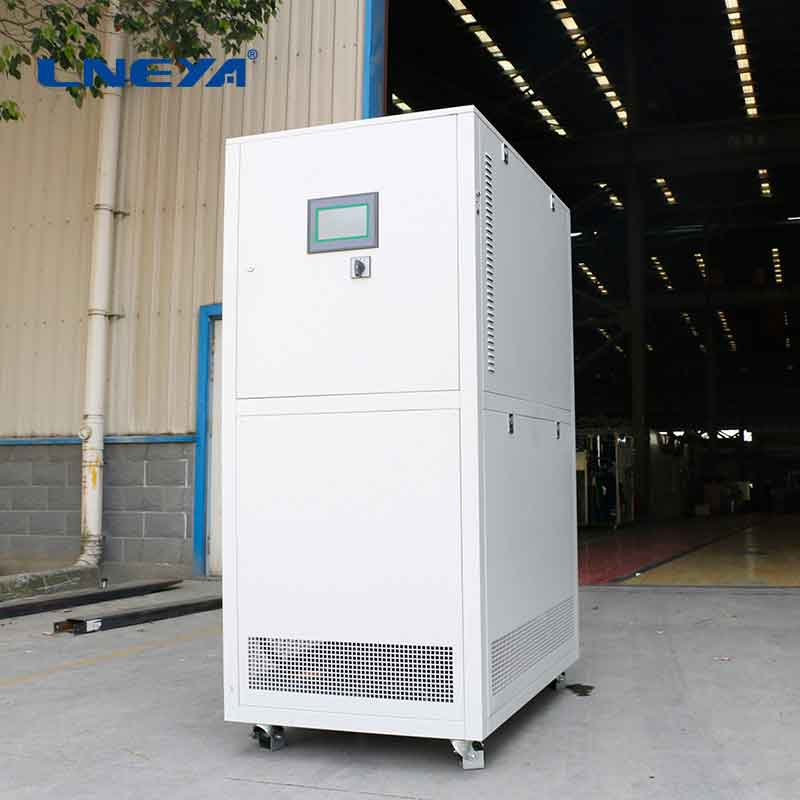
Principles of Chiller Systems
Chiller systems operate on the basic principle of refrigeration cycles, which involve the circulation of a refrigerant through a series of components, including an evaporator, a compressor, a condenser, and an expansion valve. In the cooling mode, the refrigerant absorbs heat from the area to be cooled, then the compressor raises the pressure and temperature of the refrigerant, which is then condensed and the heat is released to the external environment. In the heating mode, this process is reversed, with the refrigerant absorbing heat from the external environment and releasing it in the area to be heated.
Types of Chiller Systems
Chiller systems can be categorized into several types based on the cooling medium and the refrigeration technology used:
Air-Cooled Chillers: These chillers use ambient air to dissipate heat and are suitable for areas where water sources are limited.
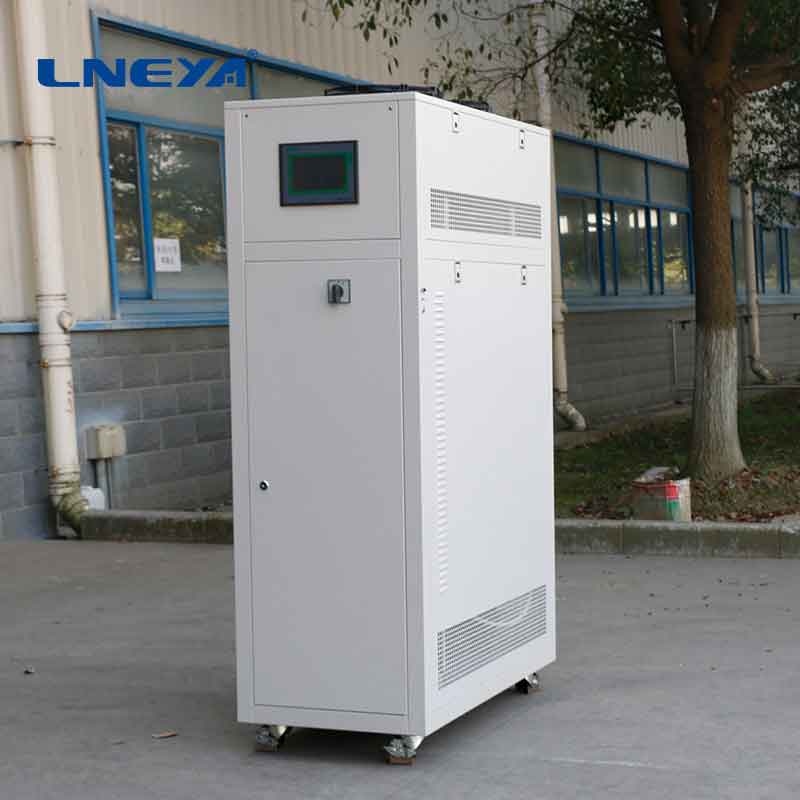
Water-Cooled Chillers: These systems use water as a cooling medium and are typically more efficient in warmer climates or where water is readily available.
Screw Chillers: Known for their efficiency and reliability, screw chillers are used for large-scale cooling needs.
Centrifugal Chillers: These high-capacity chillers are ideal for continuous cooling processes and are commonly used in large commercial buildings and industrial applications.
Efficiency and Energy Conservation
The efficiency of chiller systems is crucial for energy conservation. Chillers with high Coefficient of Performance (COP) or Energy Efficiency Ratio (EER) are preferred as they provide more cooling per unit of energy consumed. Modern chillers are also equipped with advanced control systems that optimize their operation based on real-time data, further enhancing energy efficiency.
Technological Advancements
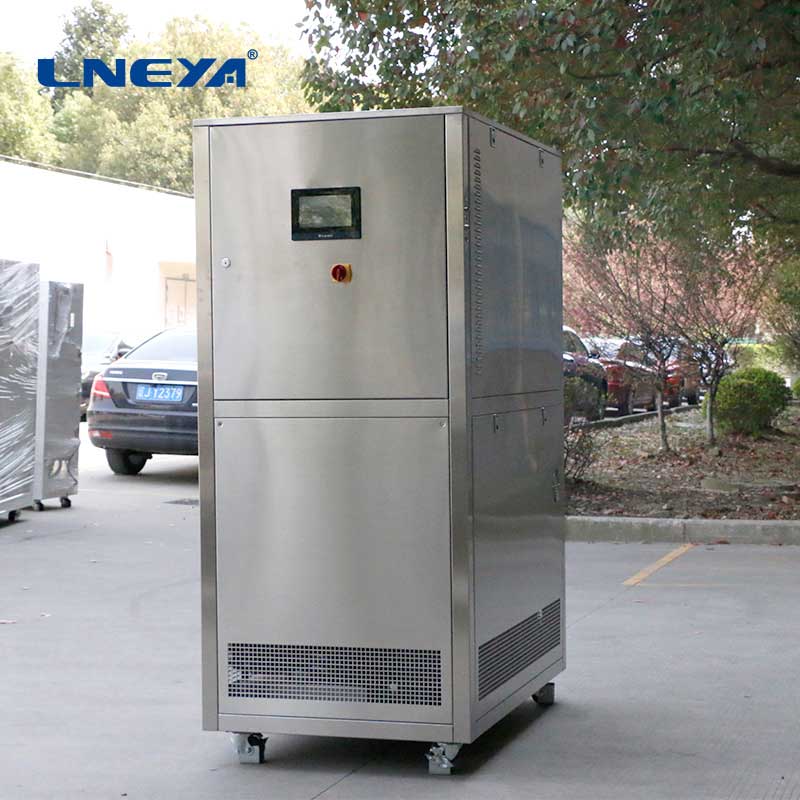
Advancements in chiller technology include the use of variable frequency drives (VFDs), which modulate the compressor speed based on the cooling load, and the integration of IoT for remote monitoring and optimization. These technologies not only improve the efficiency of chiller systems but also contribute to cost savings and reduced environmental impact.
Market Trends
The global chiller market is driven by the increasing demand for energy-efficient cooling solutions and the growth of industries that require process cooling, such as data centers, food and beverage processing, and pharmaceuticals. The market is also influenced by the push for sustainable building practices and stringent energy efficiency standards.
In conclusion, chiller heating systems offer a reliable and efficient solution for maintaining optimal temperatures in various settings. With ongoing technological advancements and a focus on energy efficiency, these systems continue to evolve, providing more sustainable and cost-effective options for both cooling and heating needs.
This content is copyrighted by LNEYA. If there is any infringement, please contact email: Lilia@lneya.com
The prev: 7.5 ton chillerThe next: hot water chiller system
Related recommendations

How does a 5 ton chiller work?
996How does a 5 ton chiller work? In most cooling applications, the pump system circulates cold water or ethylene glycol solution from the cooler to remove heat. This cold fluid carries aw...
View details
Selection Reference for Chiller Equipment
1608Selection Reference for Chiller Equipment Industrial chillers are widely used, and our chillers also have many energy-saving renovation measures such as frequency conversion. The following i...
View detailssmall chiller system
504Small Chiller System: Efficient Cooling for Limited Spaces Small chiller systems are increasingly becoming the go-to solution for cooling needs in spaces where traditional chiller systems are n...
View detailsHow does the Cascade Refrigeration Cycle System Realize Low Temperature Control?
1481How does the Cascade Refrigeration Cycle System Realize Low Temperature Control? A cascade refrigeration cycle system is used for low temperature control below -20°C. Reasons for achieving l...
View details



HelloPlease log in