 LNEYA Chiller

water cooled chiller cop
Introduction to Constant Temperature Water Heaters in Laboratories
Constant temperature water heaters, or water baths, are essential for a variety of applications in scientific research and medical testing. These devices provide a stable temperature environment for processes such as sample incubation, chemical reactions, and temperature-sensitive experiments.
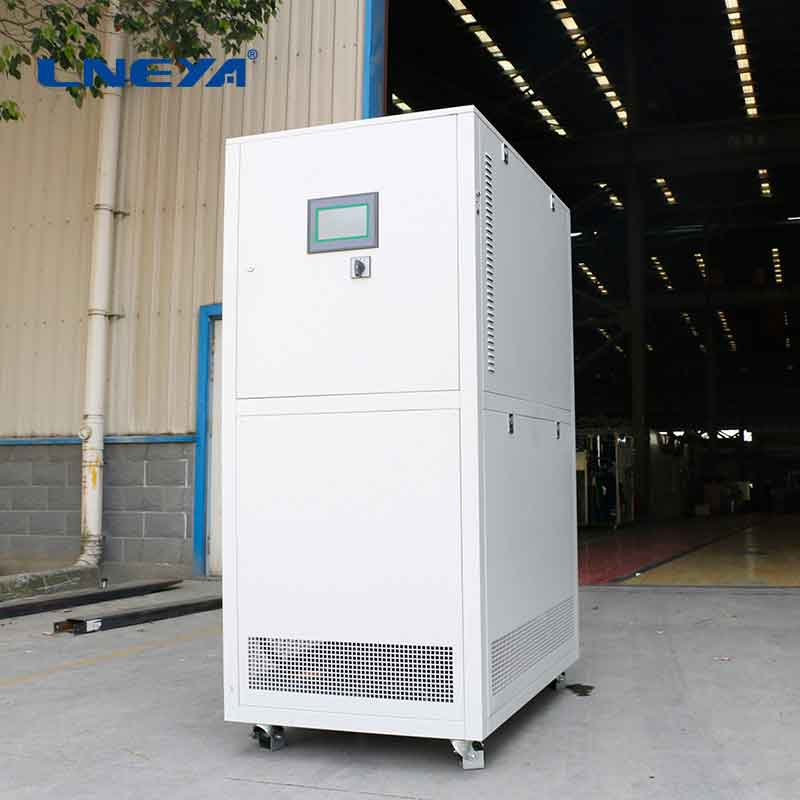
Mechanisms of Constant Temperature Water Heaters
These water heaters operate by using a heating element controlled by a thermostat or microprocessor. The system monitors the water temperature and activates the heating element as needed to maintain the set temperature. Some advanced models employ a PID (Proportional Integral Derivative) control system for more precise temperature regulation.
Types of Constant Temperature Water Heaters
There are several types of water heaters used in laboratories:
Static Water Baths: These are basic units that maintain a consistent temperature without circulation.
Circulating Water Baths: These models have a pump that circulates water, ensuring even temperature distribution.
Shaking Water Baths: Equipped with a platform that shakes or vibrates, ideal for mixing or aeration.
Operating a Water Bath
To operate a water bath, follow these general steps:
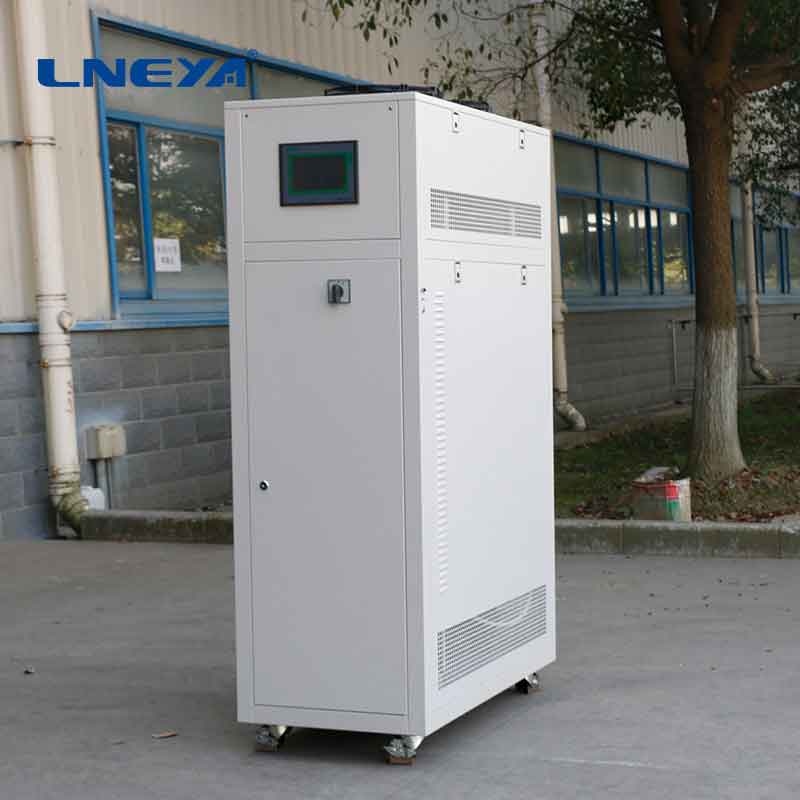
Fill the bath with an appropriate amount of water, ensuring that the water level is below the maximum fill line.
Set the desired temperature using the thermostat or digital control panel.
Turn on the bath and allow it to reach the set temperature, which is usually indicated by a change in the display or a light signal.
Place the samples in the bath, ensuring they are fully submerged.
Monitor the bath during operation to ensure it is functioning correctly.
Safety Considerations
When using a constant temperature water heater, safety is paramount. Users should:
Ensure the water bath is placed on a stable, heat-resistant surface.
Use only the recommended bath fluids to prevent corrosion or other damage.
Regularly check and maintain the water level to avoid dry heating, which can damage the heater.
Follow the manufacturer’s guidelines for cleaning and decontamination, especially if hazardous materials are involved.
Applications of Water Baths in the Laboratory
Water baths are used in a wide range of laboratory applications, including:
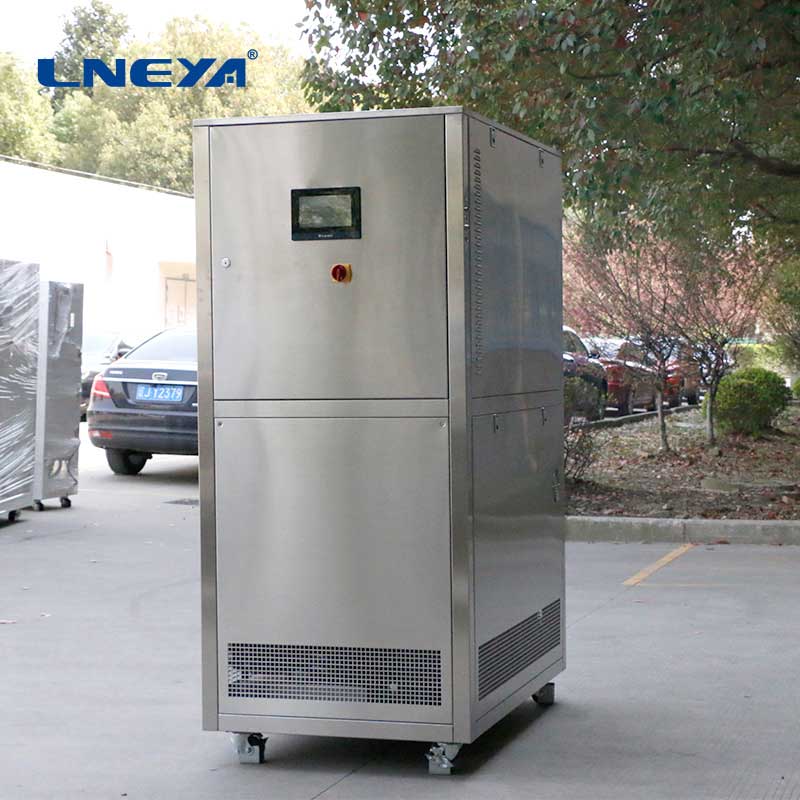
Incubation of Biological Samples: To provide a stable temperature for cell cultures or bacterial growth.
Chemical Reactions: To facilitate reactions that require precise temperature control.
Thermal Cycling: Used in processes like polymerase chain reaction (PCR), where samples are cycled through different temperatures.
Advantages and Limitations
Water baths offer several advantages, such as ease of use, cost-effectiveness, and the ability to heat multiple samples simultaneously. However, they also have limitations, including potential microbial growth if not properly maintained and the need for regular water changes.
Conclusion
Constant temperature water heaters are crucial for maintaining precise temperature conditions in laboratory settings. Understanding their mechanisms, types, applications, and safety considerations is vital for scientists and researchers to effectively utilize these heaters in their work. By adhering to best practices and safety protocols, laboratories can ensure the accuracy and efficiency of their experiments and processes.
This content is copyrighted by LNEYA. If there is any infringement, please contact email: Lilia@lneya.com
The prev: heat source systemThe next: water cooled portable chiller
Related recommendations

1 ton chiller
7971-Ton Chiller: Specifications, Applications, and Market Trends A 1-ton chiller is an essential piece of equipment in the HVAC industry, providing cooling capacities of approximately 12,000 BTUs...
View detailsIs it better to increase or decrease the flow rate of the water pump for a 20 ton chiller?
1111Is it better to increase or decrease the flow rate of the water pump for a 20 ton chiller? Excessive or insufficient flow rate of the water pump in an industrial chiller can have a cert...
View detailsHow to deal with the low evaporation pressure of the water-cooled chiller?
1411How to Deal with the Low Evaporation Pressure of the Water Cooled Chiller? The evaporation pressure of the water-cooled chiller may be too low due to insufficient refrigerant. Therefore, as l...
View detailstemperature control heating and cooling
580Temperature Control for Heating and Cooling: A Comprehensive Guide IntroductionTemperature control systems for heating and cooling are vital in maintaining optimal conditions across various env...
View details




HelloPlease log in