 LNEYA Chiller

chiller supply
Understanding Chiller Supply
Chiller supply encompasses the systems and processes involved in delivering cooling solutions to industrial and commercial facilities. Chillers are essential for maintaining optimal temperatures in various applications, including manufacturing processes, data centers, and building HVAC systems.
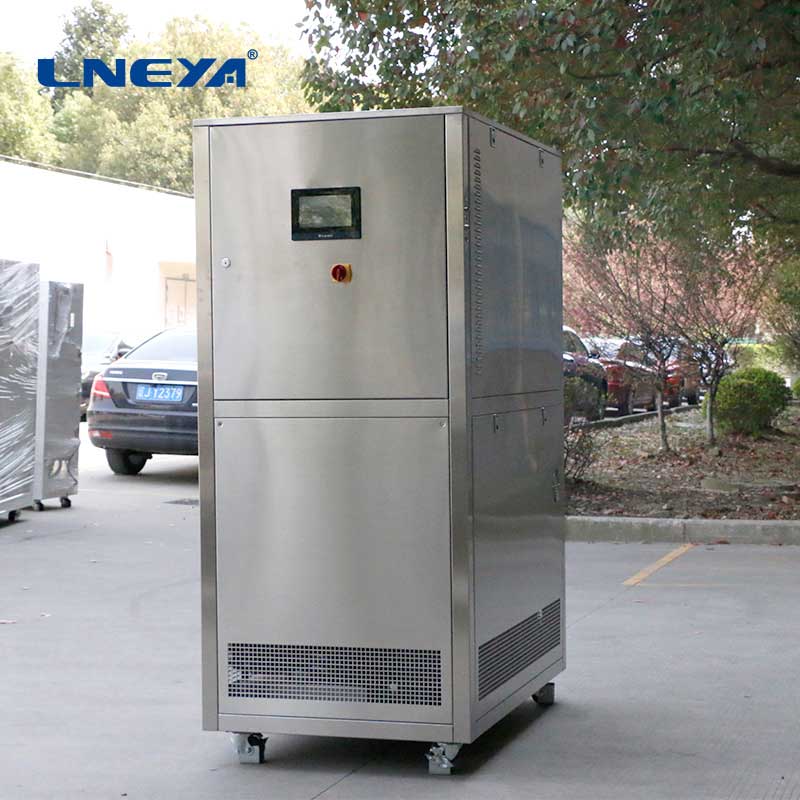
Types of Chillers
Air-Cooled Chillers: These chillers use fans to dissipate heat directly into the atmosphere. They are simpler to install as they do not require water sources or cooling towers. Air-cooled chillers are suitable for areas with limited water availability or where the installation of water infrastructure is not feasible.
Water-Cooled Chillers: These chillers use water from a cooling tower or other water sources to absorb and dissipate heat. They are more efficient in warmer climates and can provide larger cooling capacities. However, they require regular maintenance, such as water treatment and cooling tower cleaning.
Components of Chiller Systems
Chiller systems consist of several key components:
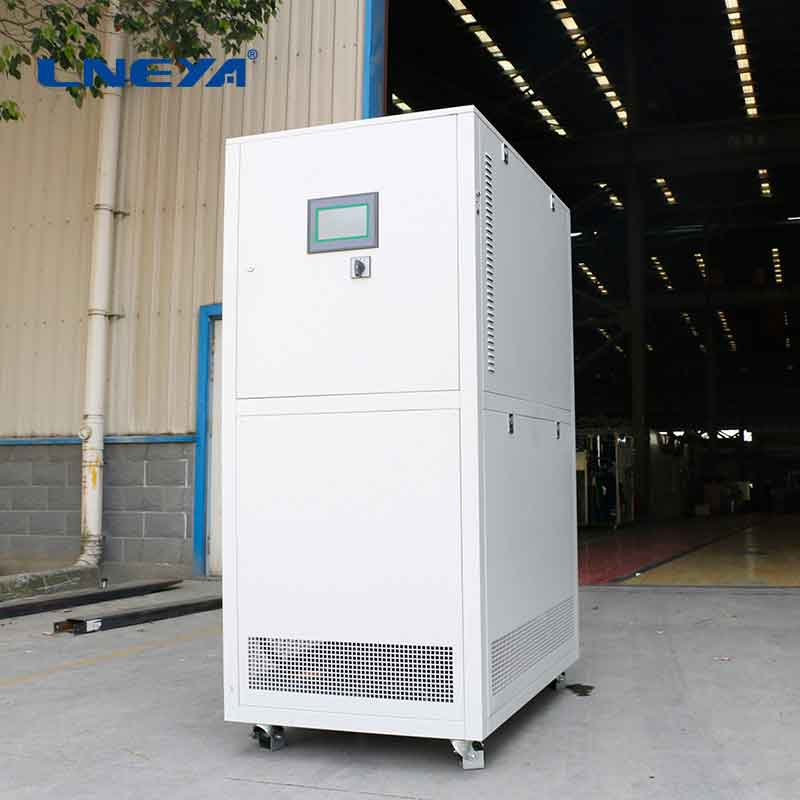
Compressor: The heart of the chiller, responsible for compressing the refrigerant.
Condenser: Where the refrigerant releases heat to the cooling medium (air or water).
Evaporator: Absorbs heat from the fluid that needs to be cooled.
Expansion Valve: Regulates the flow of refrigerant between the condenser and evaporator.
Efficiency and Chiller Supply
The efficiency of a chiller is crucial for reducing energy consumption and operational costs. Chiller efficiency can be measured using various metrics, such as Coefficient of Performance (COP) or EER (Energy Efficiency Ratio). Regular maintenance and proper sizing of the chiller according to the application’s cooling demand contribute to optimal efficiency.
Maintenance of Chiller Systems
Proper maintenance is essential for the reliable operation of chiller systems. Maintenance activities include:
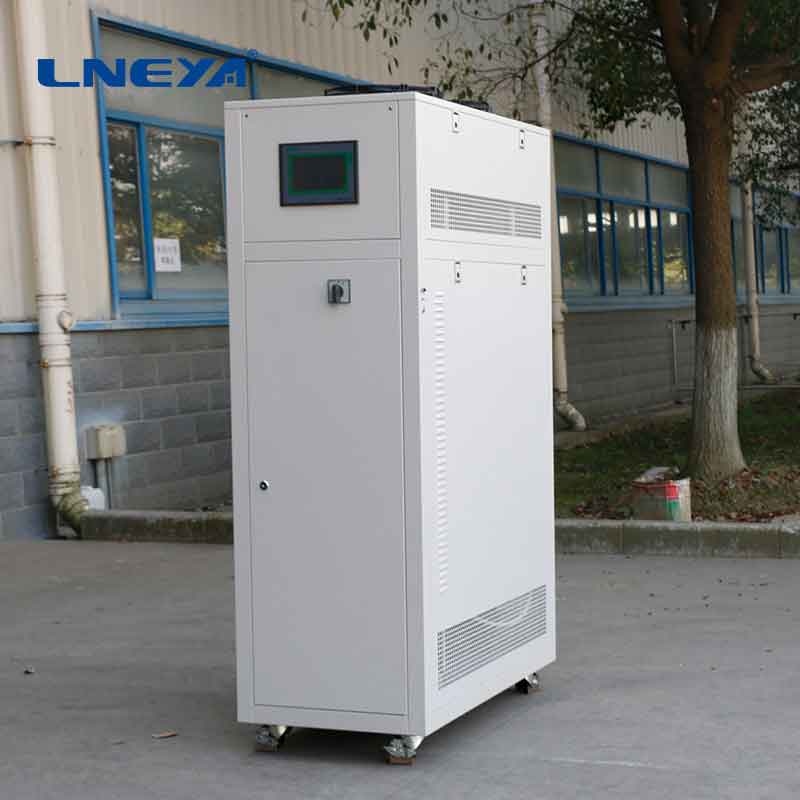
Cleaning: Regular cleaning of condenser coils and evaporator tubes to ensure efficient heat transfer.
Inspection: Periodic inspection of the compressor, pumps, and other moving parts for wear and tear.
Fluid Management: Monitoring and managing the refrigerant and coolant levels and quality.
Applications of Chiller Systems
Chiller systems are used in a wide range of applications, including:
Industrial Processes: For processes that require precise temperature control, such as chemical reactions or material fabrication.
Commercial Buildings: To provide cooling for HVAC systems in offices, malls, and hotels.
Data Centers: To maintain the temperature of servers and IT equipment.
Conclusion
Chiller supply is a critical aspect of modern industrial and commercial operations. Understanding the different types of chillers, their components, and the importance of maintenance is essential for ensuring efficient and reliable cooling. Whether choosing an air-cooled or water-cooled chiller, the selection should be based on the specific requirements of the application, including factors such as available space, climate conditions, and water resources. Regular maintenance and monitoring of chiller systems are key to optimizing their performance and lifespan.
This content is copyrighted by LNEYA. If there is any infringement, please contact email: Lilia@lneya.com
The prev: air circulation heaterThe next: industrial cooling systems chillers
Related recommendations

5 ton water cooled chiller
5815 Ton Water Cooled Chiller: A Complete Guide A 5-ton water-cooled chiller is a versatile and efficient cooling solution for small to medium-scale applications. It is widely used in industries a...
View detailswater to water chiller
577Water-to-Water Chillers: Efficient and Sustainable Cooling Solutions Water-to-water chillers are an essential component in many industrial and commercial cooling applications. These chillers us...
View detailstemporary chiller
358Temporary Chillers: An In - Depth Look Introduction Temporary chillers serve as a practical solution for short - term cooling requirements. In many cases, they act as a stop - gap measure ...
View detailscompact chiller unit
625Compact Chiller Unit: Efficient Cooling for Space-Constrained Applications Compact chiller units are the epitome of efficient cooling solutions for applications where space is a critical factor...
View details




HelloPlease log in