 LNEYA Chiller

liquid cooled chiller
Liquid-Cooled Chillers: High-Performance Cooling for Industrial Applications
Introduction
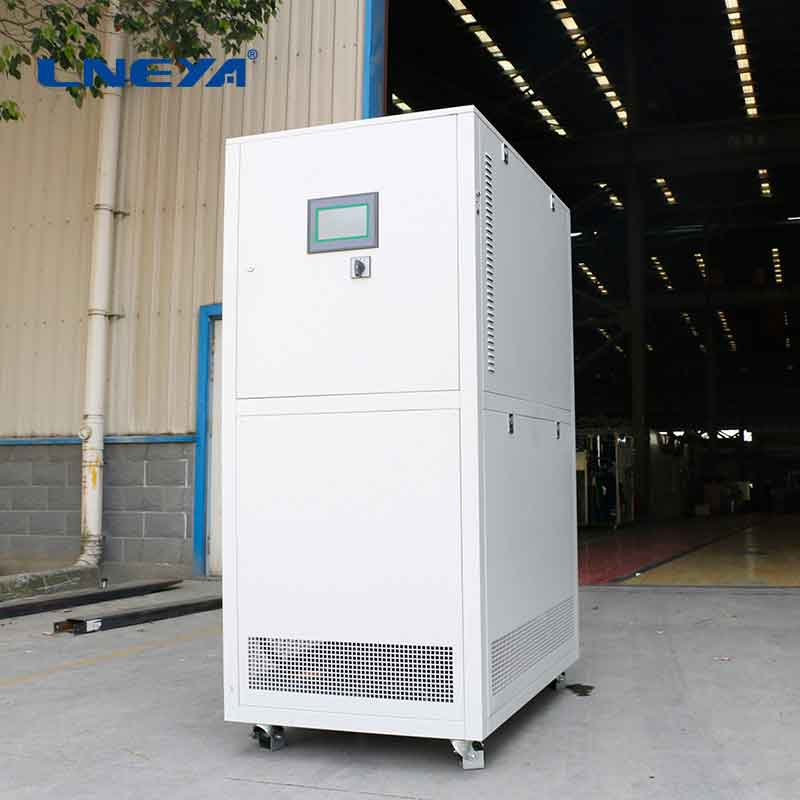
Liquid-cooled chillers are increasingly becoming the cooling solution of choice in various industries due to their superior heat transfer capabilities compared to air-cooled systems. These chillers use a liquid coolant, typically a mixture of water and glycol, to absorb and remove heat from industrial processes, offering more efficient cooling and greater energy savings.
Principles of Liquid Cooling
Liquid cooling operates on the principle of heat transfer through a liquid medium. The liquid coolant absorbs heat from the process or equipment being cooled and then carries it away to a heat exchanger, where the heat is dissipated to the environment. This method is more efficient than air cooling because liquids have a higher heat capacity than air, allowing them to absorb more heat per unit volume.
Components of Liquid-Cooled Chillers
A typical liquid-cooled chiller system consists of several key components:
Chiller Unit: The chiller contains the refrigeration cycle components responsible for chilling the liquid coolant.
Pumps: Pumps circulate the coolant through the system, ensuring continuous heat transfer.
Heat Exchanger: The heat exchanger is where the coolant releases the absorbed heat to the environment or another medium.
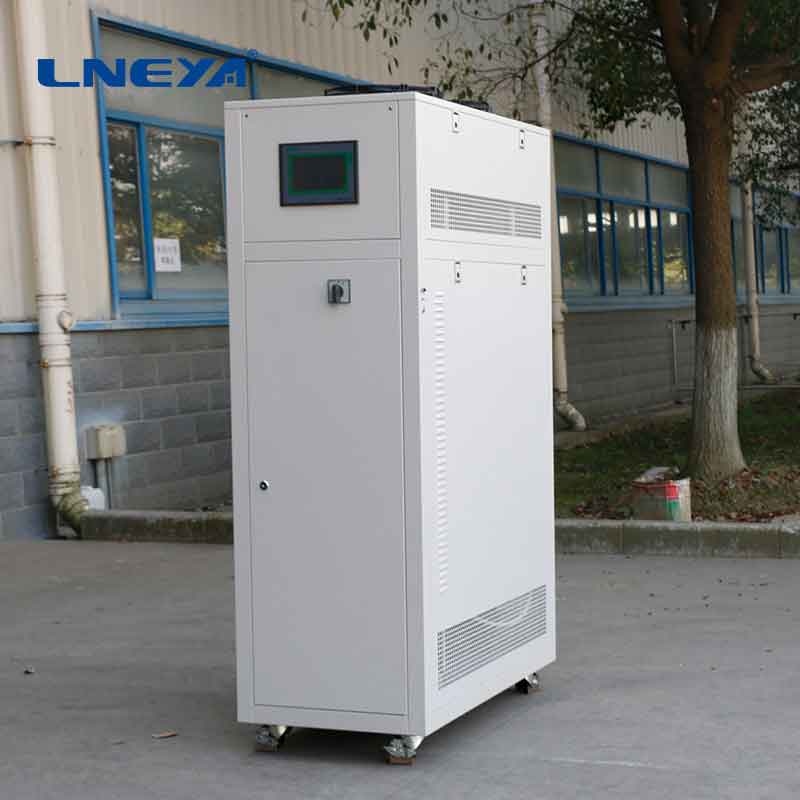
Cooling Tower or Dry Cooler: This component dissipates the heat from the coolant to the atmosphere.
Control System: Modern chillers have advanced control systems that regulate the operation of the chiller based on the cooling demand.
Advantages of Liquid-Cooled Chillers
Higher Efficiency: Liquid cooling can achieve higher coefficients of performance (COP) compared to air cooling, leading to energy savings.
Compact Design: Liquid-cooled chillers can be more compact due to the higher heat transfer rates, making them suitable for space-constrained applications.
Precise Temperature Control: Liquid coolants can maintain tighter temperature control, which is essential for sensitive industrial processes.
Reduced Environmental Impact: The higher efficiency of liquid-cooled chillers results in reduced energy consumption and lower greenhouse gas emissions.
Efficiency and Considerations
The efficiency of a liquid-cooled chiller can be influenced by several factors:
Proper Sizing: It is crucial to size the chiller correctly to match the heat load to ensure optimal performance and efficiency.
Cleanliness: Regular maintenance, including cleaning of the heat exchanger and coolant management, is essential for maintaining high efficiency.
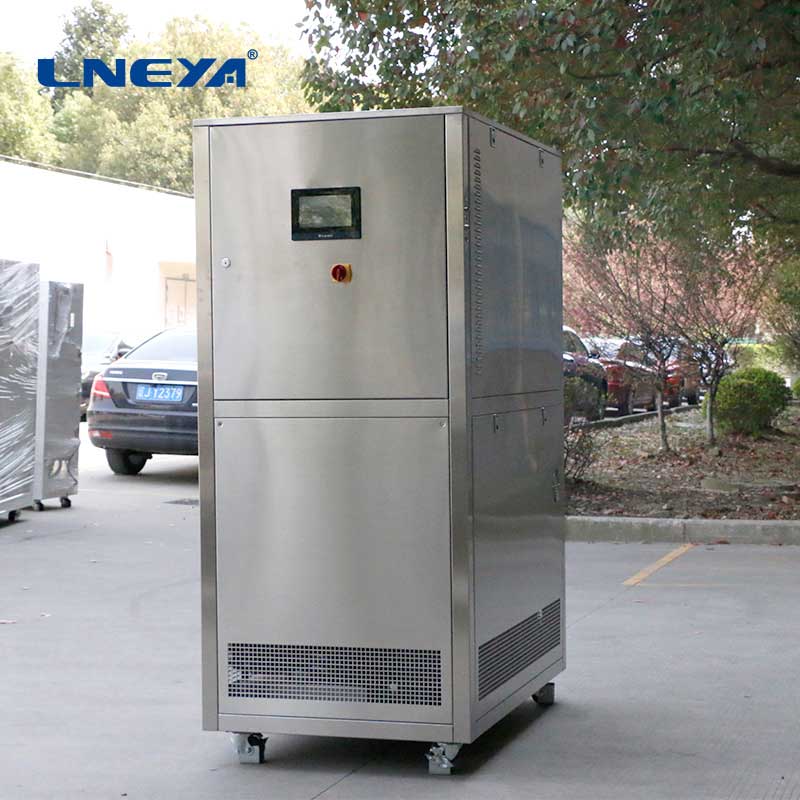
System Design: The design of the entire cooling system, including the piping layout and the integration of the chiller with other system components, affects overall efficiency.
Maintenance
Proper maintenance is vital for the long-term performance and reliability of liquid-cooled chillers:
Inspection: Regular inspections help identify potential issues such as leaks, worn components, or inefficiencies.
Cleaning: The heat exchanger and other system components should be cleaned regularly to ensure efficient heat transfer.
Coolant Management: The coolant should be tested for contaminants and replaced as necessary to maintain its heat transfer properties.
Environmental Impact
Liquid-cooled chillers contribute to environmental sustainability by reducing energy consumption. They also have the potential to reduce the need for water in cooling systems, as some industries are exploring the use of alternative coolants with lower environmental impacts.
Conclusion
Liquid-cooled chillers offer a high-performance cooling solution for a variety of industrial applications. Their superior heat transfer capabilities, precise temperature control, and energy efficiency make them an attractive option for industries seeking to optimize their cooling processes. With proper maintenance and system design, liquid-cooled chillers can provide reliable, efficient, and environmentally friendly cooling for years to come.
This content is copyrighted by LNEYA. If there is any infringement, please contact email: Lilia@lneya.com
The prev: glycol water cooling systemThe next: chiller 5 kw
Related recommendations

controlled heating & cooling
179Controlled heating & cooling is a fundamental concept in thermal management, encompassing the technologies and processes used to regulate temperatures with precision, ensuring that a space, pr...
View detailschiller industri
193Working Principles of Industrial ChillersThe fundamental operation of industrial chillers is based on the refrigeration cycle, typically following the reverse Carnot cycle. This cycle involves fo...
View detailsglycol refrigeration systems
688Understanding Glycol Refrigeration Systems Glycol refrigeration systems are a type of industrial refrigeration system that uses a mixture of glycol, a type of antifreeze, and water to lower the...
View detailsHow does the Cascade Refrigeration Cycle System Realize Low Temperature Control?
1481How does the Cascade Refrigeration Cycle System Realize Low Temperature Control? A cascade refrigeration cycle system is used for low temperature control below -20°C. Reasons for achieving l...
View details




HelloPlease log in