 LNEYA Chiller

chiller 5 kw
5 kW Chiller: Efficient Cooling for Small to Medium Applications
5 kW chillers are engineered to provide precise cooling in applications where space and energy efficiency are paramount. With a capacity to remove heat equivalent to 5 kilowatts, these chillers are ideal for small commercial buildings, server rooms, and certain industrial processes. This article offers an in-depth exploration of the operation principles, types, efficiency, applications, and maintenance of 5 kW chillers, along with insights into the latest technology advancements and market trends in the chiller industry.
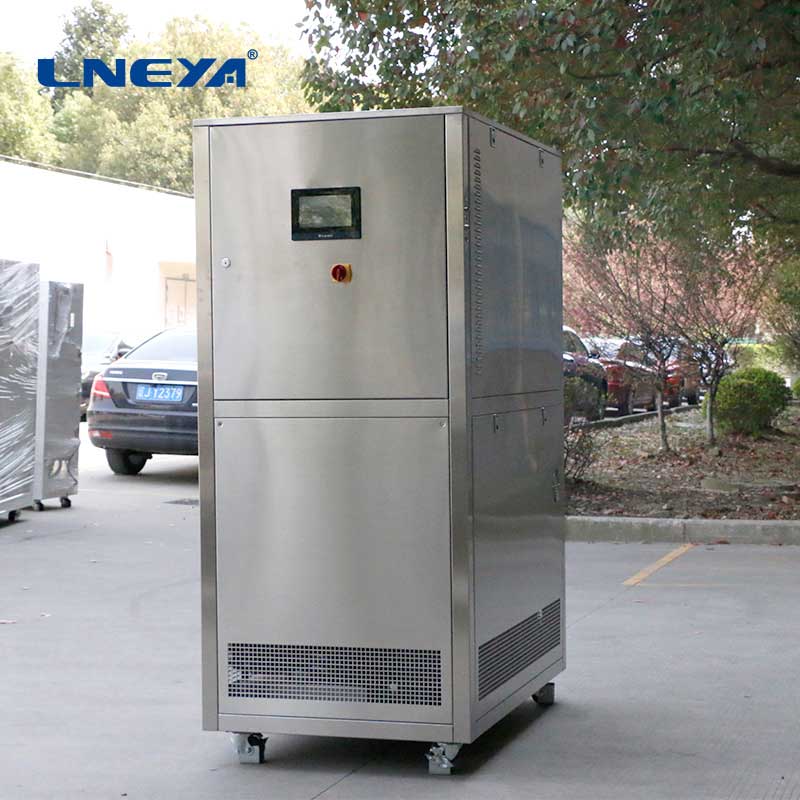
Operation Principles of 5 kW Chillers
5 kW chillers function on the basic principle of vapor compression refrigeration. The refrigeration cycle involves a compressor, condenser, expansion valve, and evaporator. The compressor pressurizes the refrigerant, causing it to heat up and release energy to the condenser. The refrigerant then passes through the expansion valve, entering the evaporator in a low-pressure, cool state, where it absorbs heat from the space or process that needs cooling.
Types of 5 kW Chillers
Two primary types of 5 kW chillers are available:
Air-Cooled Chillers: These chillers use fans to dissipate heat from the condenser, making them suitable for applications with limited water resources or space constraints.
Water-Cooled Chillers: These chillers use water circulated through a cooling tower to dissipate heat, providing higher efficiency and better performance in larger applications or warmer climates.
Efficiency of 5 kW Chillers
The efficiency of a chiller is often measured in terms of its coefficient of performance (COP), energy efficiency ratio (EER), and integrated part-load value (IPLV). A higher COP, EER, and IPLV indicate a more efficient chiller. Modern 5 kW chillers are designed with energy efficiency in mind, utilizing advanced compressor technology and smart controls to optimize performance and minimize energy consumption.
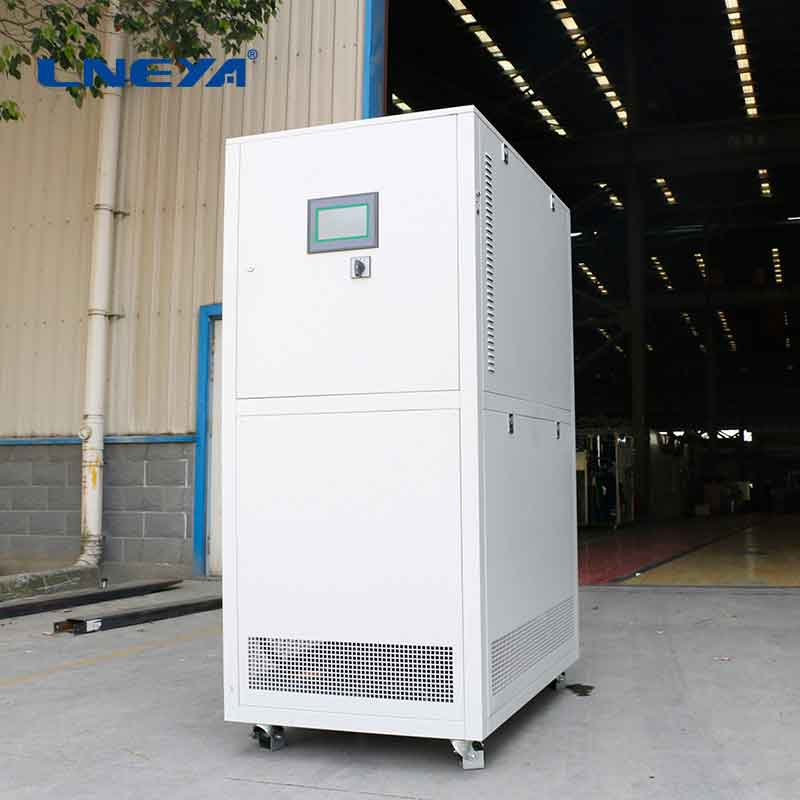
Applications of 5 kW Chillers
5 kW chillers are used in a variety of applications, including:
Commercial Buildings: They provide essential cooling for small office spaces, retail stores, and restaurants.
Server Rooms: These chillers ensure optimal temperatures for server rooms and data centers, preventing overheating and maintaining the reliability of IT equipment.
Industrial Processes: In industries such as food processing, pharmaceuticals, and plastics, 5 kW chillers offer precise temperature control for various processes.
Maintenance of 5 kW Chillers
Proper maintenance is crucial for the optimal performance and longevity of 5 kW chillers. Regular maintenance tasks include:
Cleaning: Regularly cleaning the evaporator and condenser coils ensures efficient heat transfer.
Inspection: Periodic inspection for leaks, wear, and other issues helps prevent breakdowns.
Lubrication: Keeping moving parts well-lubricated reduces friction and extends the life of the chiller.
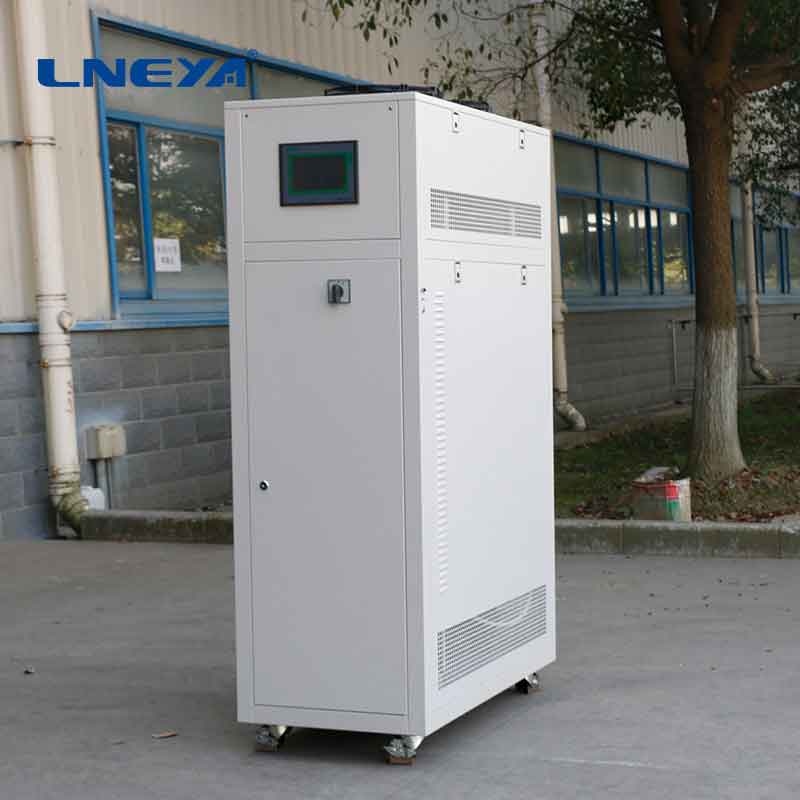
Filter Replacement: Replacing air filters regularly maintains airflow and efficiency.
Refrigerant Management: Monitoring and managing refrigerant levels and types, especially considering environmental regulations, is essential.
Technology Advancements and Market Trends
The global chiller market is experiencing growth driven by the demand for energy-efficient cooling solutions in commercial and industrial sectors. Innovations such as IoT capabilities, sensors, and predictive maintenance features are transforming the market, enhancing system efficiency, and reducing downtime. Manufacturers are developing chillers with low Global Warming Potential (GWP) refrigerants, contributing to more sustainable and environmentally friendly cooling solutions.
In conclusion, 5 kW chillers offer a compact and efficient cooling solution for a variety of applications. By understanding their operation, types, efficiency, and maintenance requirements, operators can ensure these chillers provide reliable cooling while minimizing environmental impact. The market for chillers continues to evolve with a focus on energy efficiency, smart technology, and sustainability, indicating a promising future for the industry.
This content is copyrighted by LNEYA. If there is any infringement, please contact email: Lilia@lneya.com
The prev: liquid cooled chillerThe next: electronic test systems
Related recommendations

temperature controlled water circulator
567Introduction to Temperature Controlled Water CirculatorsTemperature controlled water circulators are essential equipment in applications requiring precise temperature control for heating or coolin...
View detailstemp cycle chamber
743Introduction to Temp Cycle Chambers A temp cycle chamber, or temperature cycling chamber, is a specialized piece of equipment designed to simulate the effects of thermal stress on materials and...
View detailsprocess chiller systems
320Types of Process Chiller SystemsProcess chillers are classified based on their cooling method, portability, and capacity, each suited to different operational needs: Air-Cooled Process Ch...
View detailsheating and cooling controller
468Introduction to Heating and Cooling ControllersHeating and cooling controllers are integral components of any system designed to regulate temperature. They are responsible for monitoring the ambi...
View details



HelloPlease log in