 LNEYA Chiller

it cooling systems
The Importance of IT Cooling Systems
Information technology (IT) cooling systems are critical in the operation of data centers and server rooms. They maintain the optimal temperature and humidity levels required to ensure the reliable functioning of servers and other IT equipment. Inefficient cooling can lead to overheating, reduced performance, and even equipment failure. Mitsubishi Electric recognizes this need and offers a diverse lineup of IT cooling systems designed to deliver highly reliable and energy-efficient cooling solutions for various applications and environments.
Types of IT Cooling Systems
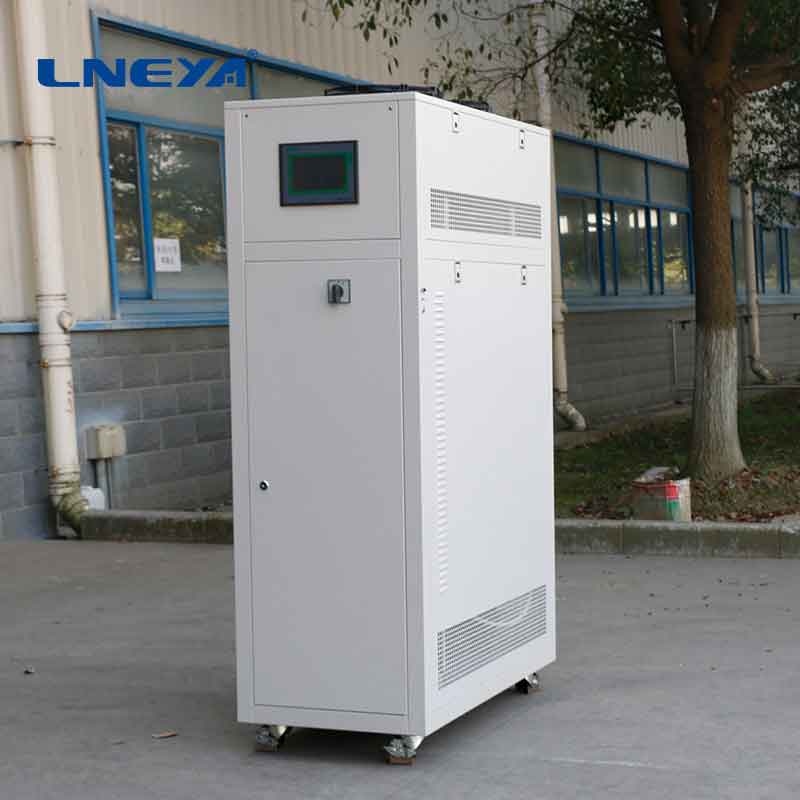
IT cooling systems can be broadly classified into air-cooling, liquid-cooling, and free-cooling technologies. Each has its advantages and is suited to different scenarios based on factors such as the heat load of the IT equipment, the available space, and the desired energy efficiency.
Air-Cooling Technology: This is the most conventional and widely used method in data centers. It involves the circulation of air to absorb and remove heat. Air-cooling systems are known for their simplicity and low maintenance requirements. However, they are less efficient than liquid-cooling systems due to the lower heat transfer capacity of air.
Liquid-Cooling Technology: This method uses liquids, such as water or specialized coolants, to absorb and transfer heat more effectively than air. Liquid-cooling can be further divided into direct and indirect methods. Direct liquid cooling involves the coolant coming into contact with the heat source, while indirect methods use heat exchangers to transfer heat from the IT equipment to the coolant. Liquid-cooling systems are more efficient and can handle higher heat loads but require more complex installation and maintenance.
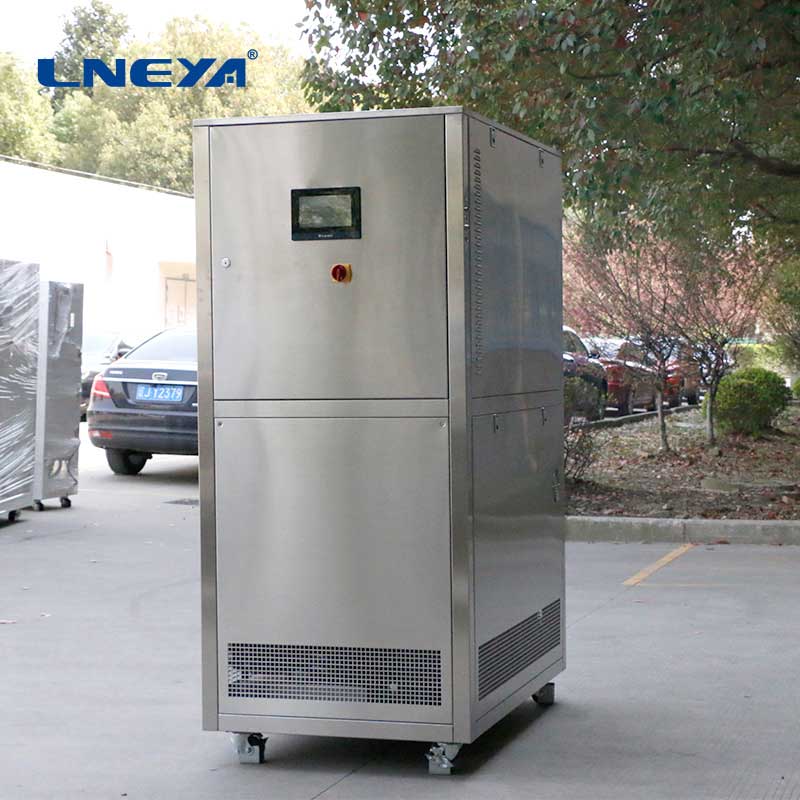
Free-Cooling Technology: This technology leverages natural cold sources, such as outside air or water, to cool data centers without the use of mechanical cooling systems. Free-cooling can significantly reduce energy consumption and is most effective in regions with mild climates or during cooler parts of the year.
Advancements in Cooling Technology
As data centers continue to grow in size and processing power, the heat load they generate increases, demanding more efficient cooling solutions. Direct liquid cooling is emerging as a critical approach to meet these demands. It offers superior heat transfer performance and can support higher power densities in data centers. Companies like LiquidStack and Asperitas are at the forefront of developing advanced liquid cooling solutions that not only enhance the efficiency and stability of servers but also enable denser server arrangements and reduce noise.
Challenges and Future Directions
Despite the advancements in cooling technology, data centers face challenges such as high initial costs, complexity in implementation, and the need for regular maintenance. The industry is actively exploring solutions to these challenges, including the development of more efficient heat exchangers, improved coolants with better thermal properties, and advanced control systems for optimal operation of cooling systems.
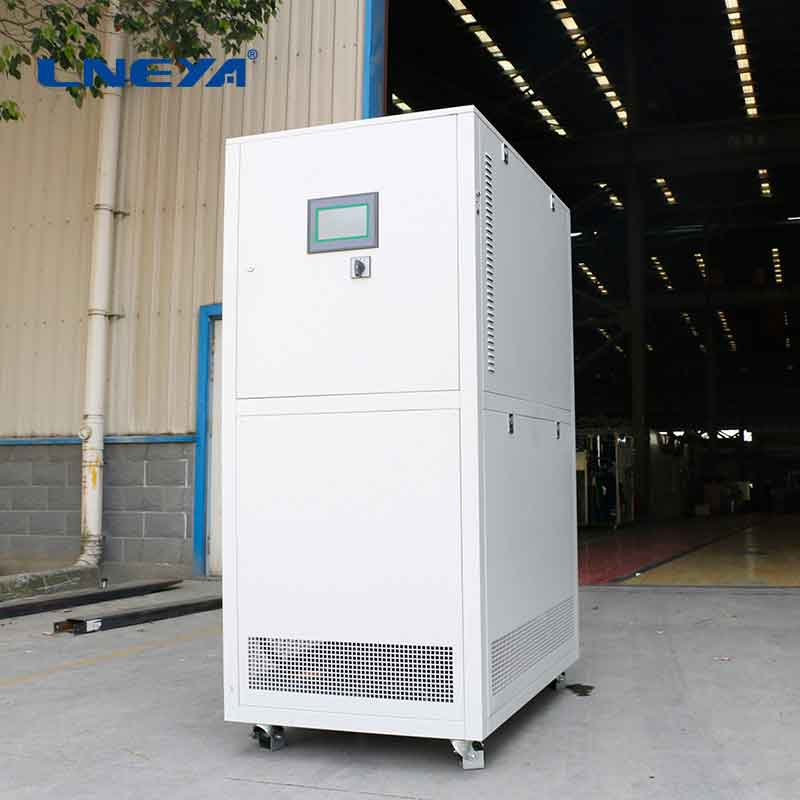
The future of IT cooling systems is likely to involve a combination of advanced liquid cooling technologies, waste heat recovery, and intelligent control systems that adapt to the changing workloads and environmental conditions of data centers. The goal is to create sustainable, energy-efficient, and high-performance data centers that can meet the growing demands of the digital era while minimizing their environmental impact.
Conclusion
IT cooling systems are indispensable in ensuring the stable operation of data centers and server rooms. With the continuous growth of data and the increasing power densities of IT equipment, the need for efficient cooling solutions is more critical than ever. Mitsubishi Electric and other industry leaders are committed to developing innovative cooling technologies that not only meet the current demands but also adapt to the future challenges of the data center industry. As we move towards more sustainable and energy-efficient data center operations, the role of IT cooling systems will be paramount in shaping the future of data management and processing.
This content is copyrighted by LNEYA. If there is any infringement, please contact email: Lilia@lneya.com
The prev: heat transfer oil systemThe next: liquid cooling temperature
Related recommendations

liquid chillers portable units
786Introduction to Portable Liquid Chiller Units Portable liquid chiller units offer a flexible and efficient cooling solution for a wide range of industrial and commercial applications. These uni...
View detailswater cooler temperature control
243Water cooler temperature control is a specialized aspect of thermal management focused on maintaining the temperature of water in coolers at a consistent, user-defined level. Whether for providing...
View detailsLaboratory Small Reactor Refrigeration Heating Circulator
1607Laboratory Small Reactor Refrigeration Heating Circulator Laboratory small reaction kettle refrigeration and heating circulator is used for temperature testing of test samples or products, a...
View detailstemperature control heating and cooling
575Temperature Control for Heating and Cooling: A Comprehensive Guide IntroductionTemperature control systems for heating and cooling are vital in maintaining optimal conditions across various env...
View details




HelloPlease log in