 LNEYA Chiller

circulating cooler
Circulating Cooler: Maintaining Constant Temperature in Industrial Processes
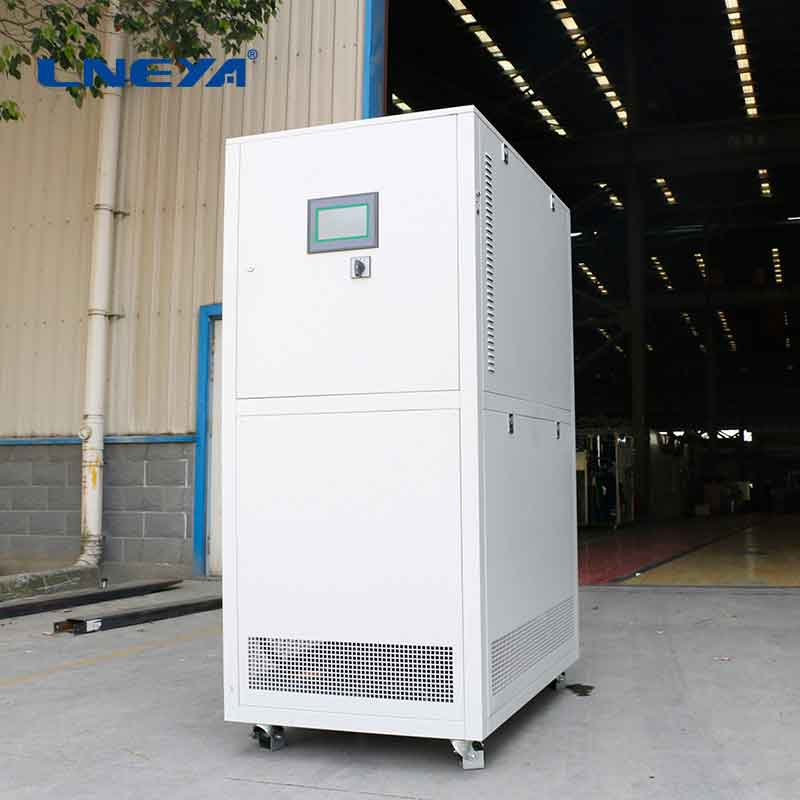
Circulating coolers, also known as cooling water circulators, are crucial for regulating temperatures in a variety of industrial and scientific applications. These systems circulate a coolant to maintain a consistent temperature, which is vital for processes such as chemical reactions, material testing, and temperature-sensitive manufacturing. This article provides an in-depth look at the principles, types, components, benefits, and the latest trends in circulating cooler technology.
Principles of Operation
Circulating coolers operate on the principle of heat exchange. They use a coolant, typically water or a specialized fluid, which is circulated through a closed-loop system. The coolant absorbs heat from the process or equipment that needs cooling and then releases this heat to the environment through a heat exchanger or cooling tower.
Types of Circulating Coolers
There are several types of circulating coolers, each designed for specific applications:
Recirculating Chillers: These units are designed for applications requiring constant temperature control. They circulate coolant through a closed loop, maintaining a consistent temperature.
Portable Chillers: Compact and movable, these units are suitable for applications where flexibility and portability are needed.
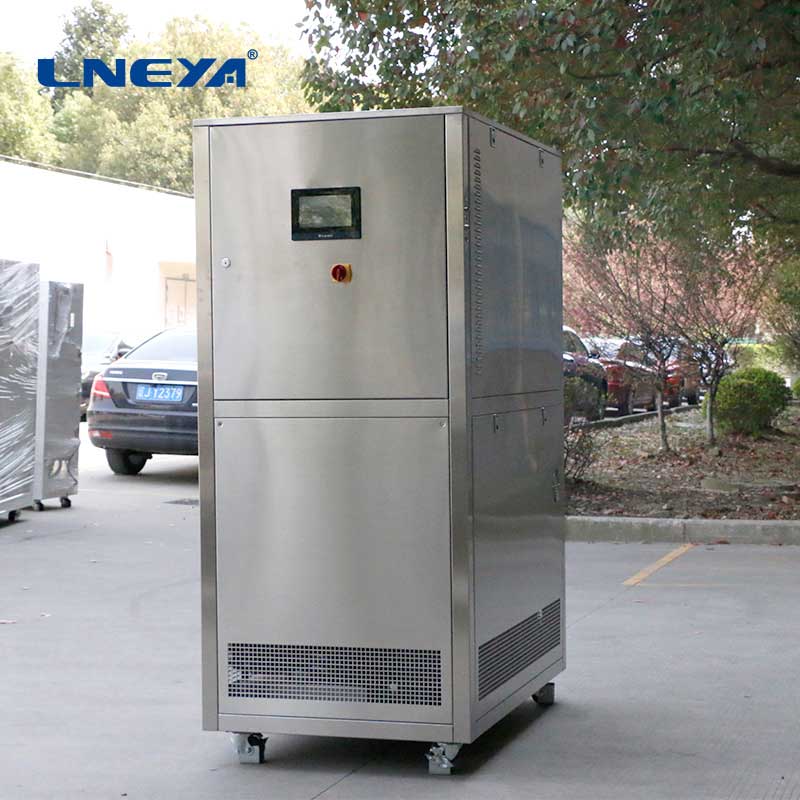
Industrial Chillers: These are heavy-duty units designed for large-scale industrial processes that require continuous cooling.
Components of a Circulating Cooler
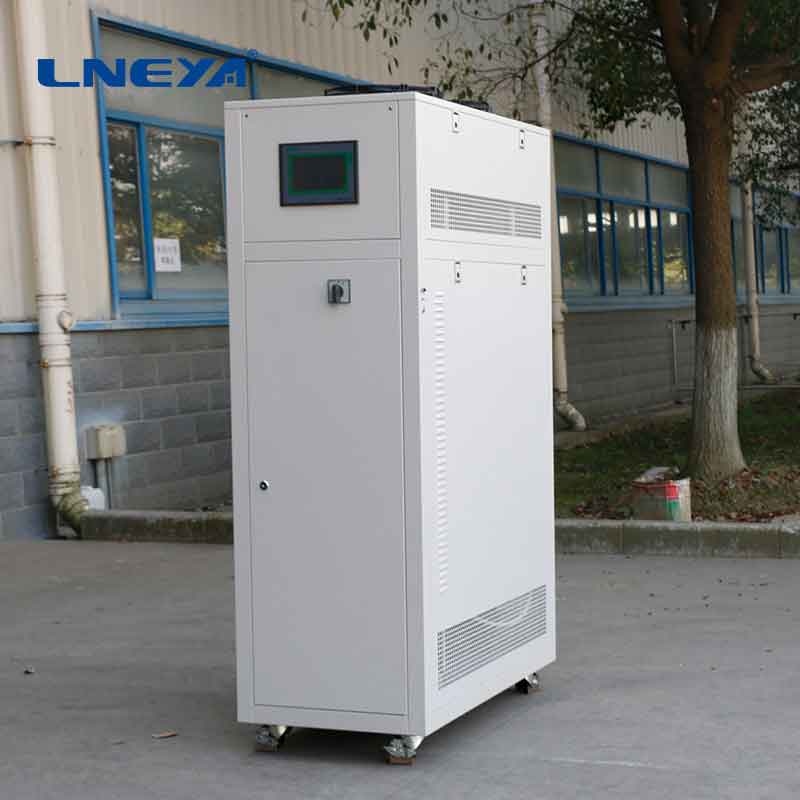
The main components of a circulating cooler include:
Compressor: This is the heart of the chiller unit, responsible for circulating the coolant.
Heat Exchanger: This is where the coolant absorbs heat from the process fluid and releases it to the environment.
Pump: It circulates the coolant and process fluid within their respective loops.
Control System: This regulates the temperature by monitoring and adjusting the coolant flow and compressor operation.
Reservoir: Holds the coolant, which can be expanded or equipped with additional features like filtration or purification systems.
Benefits of Circulating Coolers
The use of circulating coolers offers several advantages:
Precision Temperature Control: Ensures consistent conditions for accurate and repeatable results.
Energy Efficiency: Modern chiller units are designed to minimize energy consumption, reducing operating costs.
Safety: Prevents overheating of processes and equipment, reducing the risk of accidents and damage.
Versatility: Suitable for a wide range of applications, from chemical reactions to cooling sensitive analytical instruments.
Latest Trends in Circulating Cooler Technology
Recent advancements in circulating cooler technology include:
Solar-Powered Systems: As discussed in a review, these systems use solar energy to power the circulator, reducing electricity consumption and environmental impact.
Energy-Saving Evaluations: Comprehensive energy-saving evaluations, as highlighted in a study, help optimize the performance of cooling water systems, reducing energy consumption and costs.
Digital Controls: Advanced control systems provide more precise temperature regulation and user-friendly operation.
Integration with Smart Technologies: Smart sensors and IoT connectivity allow for remote monitoring and control, enhancing efficiency and convenience.
In conclusion, circulating coolers are indispensable in maintaining optimal conditions for various industrial processes and scientific experiments. By understanding their principles of operation, types, components, and the benefits they offer, industries can select the most suitable circulator for their needs. With the market showing steady growth and technology continuously evolving, circulating coolers will play a crucial role in the future of temperature control in various applications.
This content is copyrighted by LNEYA. If there is any infringement, please contact email: Lilia@lneya.com
The prev: cooling water circulatorThe next: portable industrial chillers
Related recommendations

heat temperature control
830Introduction to Heat Temperature Control Heat temperature control is essential in various industries to maintain optimal conditions for processes, ensuring efficiency, safety, and quality of pr...
View detailsElectronic Car Battery High and Low Temperature Coolant Test Chiller Descaling
1254Electronic Car Battery High and Low Temperature Coolant Test Chiller Descaling For a long time, traditional cleaning methods such as mechanical methods, high-pressure water, chemical cleanin...
View detailswater cooled portable chiller
494Water-cooled portable chillers are essential in industries where precise temperature control is required. These chillers are designed to provide efficient cooling in a compact and mobile package, ...
View detailswater cooled chiller installation
720A Comprehensive Guide to Water-Cooled Chiller Installation The installation of a water-cooled chiller is a critical step in ensuring the efficient operation of a cooling system. Proper installa...
View details



HelloPlease log in