 LNEYA Chiller

glycol refrigeration systems
Understanding Glycol Refrigeration Systems
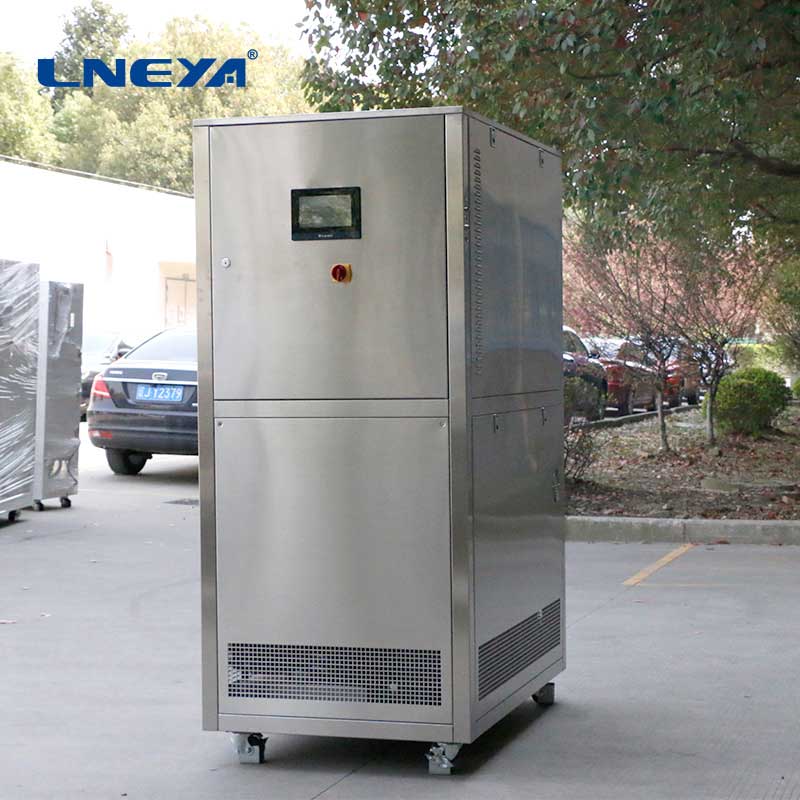
Glycol refrigeration systems are a type of industrial refrigeration system that uses a mixture of glycol, a type of antifreeze, and water to lower the freezing point in the application of the chilling system. These systems are designed to maintain temperature consistency across a variety of applications, from food and beverage processing to ice rinks.
Types of Glycol
There are two main types of glycol used in refrigeration systems: ethylene glycol and propylene glycol. Both offer freeze protection and corrosion resistance, but they have different properties that make them suitable for different applications. Ethylene glycol is moderately toxic and has a sweet taste, making it unsuitable for systems where leakage could contaminate potable water or food processing systems. Propylene glycol, on the other hand, is less toxic and is considered food-grade, making it safer for handling and more suitable for systems where people may come into contact with the fluid.
Applications of Glycol Refrigeration Systems
Glycol refrigeration systems are used across a wide range of industries due to their ability to provide precise temperature control and freeze protection:
Breweries and Wineries: These systems are crucial for controlling fermentation temperatures, resulting in a more consistent flavor profile in products.
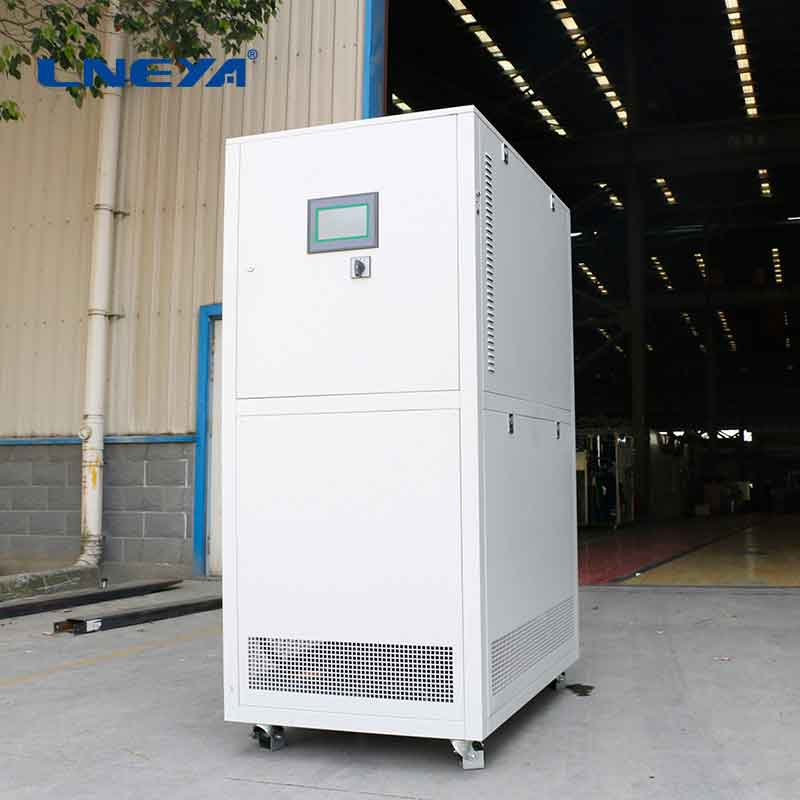
Pharmaceutical Industries: They provide exacting temperature control for the storage and processing of drugs and vaccines, reducing the risk of temperature fluctuations that could compromise their integrity.
Large-Scale Storage Facilities: Glycol systems are employed in cold storage facilities for maintaining uniform temperature across large spaces, ensuring optimal preservation conditions for perishable goods.
Benefits of Glycol Refrigeration Systems
Glycol refrigeration systems offer several benefits that make them an attractive choice for industrial cooling:
Improved Energy Efficiency: Glycol solutions maintain optimal viscosity and flow characteristics at various temperatures, leading to lower energy consumption and operational costs.
Efficient Heat Transfer: Glycol’s excellent thermal conductivity and heat transfer capabilities help achieve precise temperature control, essential in processes where temperature control is critical.
Enhanced Freeze Protection: Glycol solutions prevent freezing in the refrigeration system, ensuring consistent temperature control and efficient operation, especially in extreme cold environments.
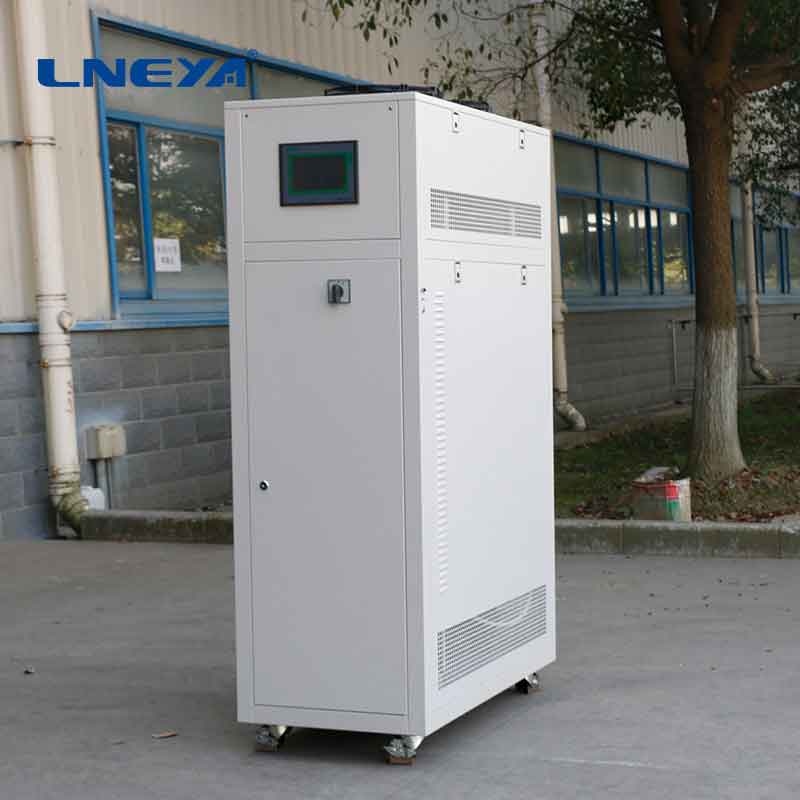
Corrosion Resistance: Glycol solutions are less corrosive than water, leading to less wear and tear on system components, prolonging the system’s lifespan, and reducing maintenance costs.
Environmental Safety: Propylene glycol is non-toxic and environmentally friendly, making it a safer alternative with easier handling and disposal, reducing the ecological footprint of the refrigeration process.
Versatility in Application: Glycol’s chemical properties allow for its use across various temperature ranges, adapting to different operational requirements with ease.
Reduced Risk of Contamination: In industries where contamination is a concern, glycol is less likely to foster bacterial growth compared to water, ensuring higher standards of hygiene and safety in production processes.
Conclusion
Glycol refrigeration systems are an essential part of modern industrial cooling processes. They provide precise temperature control, freeze protection, and corrosion resistance, making them suitable for a wide range of applications. With the ongoing trend towards more sustainable and efficient cooling solutions, glycol refrigeration systems are poised to play a significant role in the future of industrial refrigeration.
This content is copyrighted by LNEYA. If there is any infringement, please contact email: Lilia@lneya.com
The prev: benchtop temperature chamberThe next: low pressure chillers
Related recommendations

The Role of Compressors in Different Chillers
1424The Role of Compressors in Different Chillers The compressor in the chiller is a necessary component of refrigeration, and a good refrigeration effect is inseparable from a good compressor. ...
View detailsWhat are the requirements for the chilled water quality of the circulation chiller?
1273What are the requirements for the chilled water quality of the circulation chiller? The requirements for chilled water quality of circulating coolers mainly include the following aspect...
View detailsair chiller system
483The Comprehensive Guide to Air Chiller Systems Air chiller systems are widely used in a variety of cooling applications to maintain optimal temperatures for processes, equipment, and environmen...
View detailsPrecautions for the refrigeration pipeline of the chiller
1434Precautions for the refrigeration pipeline of the chiller The diameter of the copper pipe should be selected in strict accordance with the suction and discharge valve interface of the compre...
View details




HelloPlease log in