 LNEYA Chiller

chillers industrial
Industrial Chillers: Market Trends, Technology, and Efficiency
Industrial chillers are essential in maintaining optimal temperatures in a variety of industrial processes, from manufacturing to data centers. As the demand for precise temperature control increases, the industrial chiller market is evolving to meet these challenges.
Market Trends and Growth
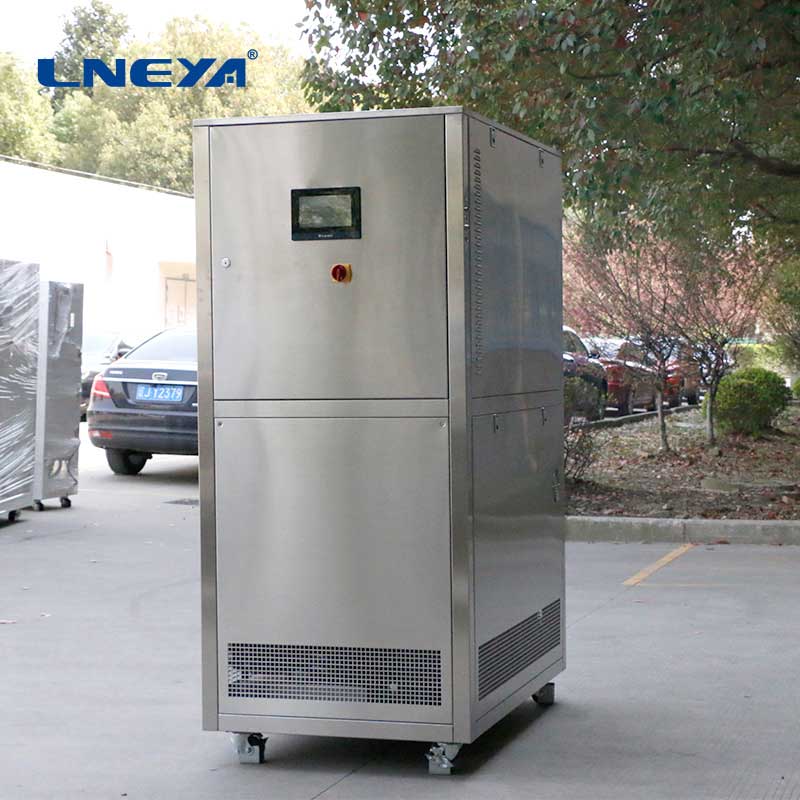
The Asia-Pacific industrial chiller market is expected to grow significantly by 2031, driven by the expansion of the metalworking industry, the launch of new recycled plastic plants, and the surge in demand for industrial chillers in the growing chemical industry. The market is also influenced by government investments to support growth in the manufacturing industry and a focus on energy-efficient technologies.
Technology and Working Principles
Industrial chillers operate on the principles of refrigeration cycles and heat transfer processes. The essential components of an industrial process chiller include the evaporator, compressor, condenser, and expansion valve. The evaporator absorbs heat from the industrial process fluid, initiating the cooling process. The compressor then pressurizes and heats the vaporized refrigerant, preparing it to absorb more heat. The condenser facilitates the release of accumulated heat from the refrigerant into the surroundings, allowing it to transition back into a liquid state. Finally, the expansion valve adjusts the pressure, enabling the refrigerant to return to the evaporator for a repeat cooling cycle.
Energy Efficiency and Optimization
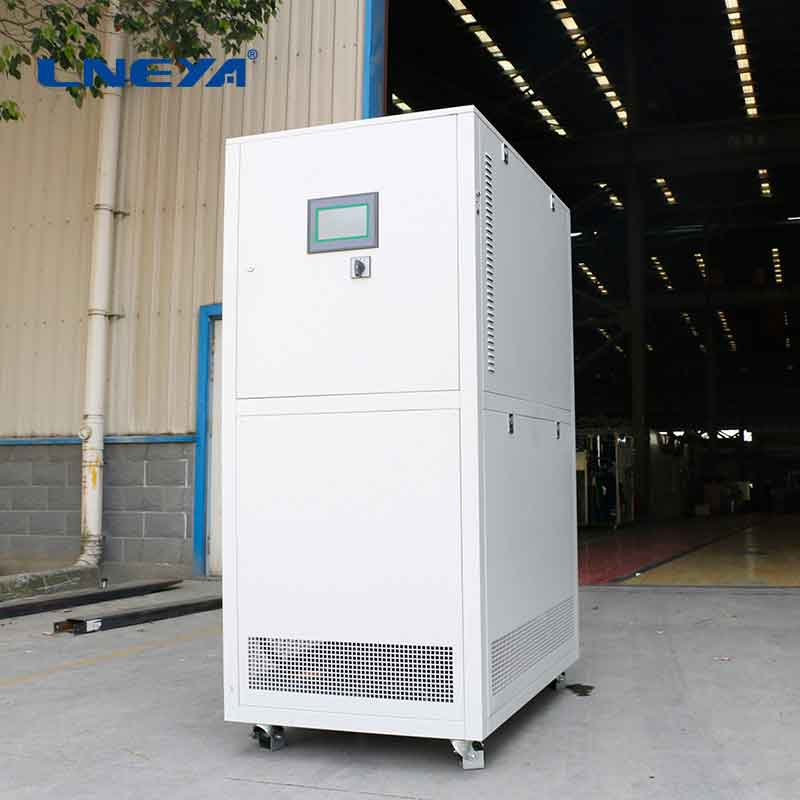
Energy efficiency is a key concern in the operation of industrial chillers. Studies have shown that optimizing the sequencing of chillers and load distribution can significantly improve energy efficiency. For instance, a system composed of variable speed screw chillers can achieve energy savings of 7.9%–21.2%, while constant speed screw chillers can save 1.5%–4% energy. Advanced control strategies, such as predictive control and load distribution strategies based on algorithms like the flower pollination algorithm, are being developed to further enhance energy efficiency.
Environmental Impact and Maintenance
Industrial chillers have a significant impact on the environment, both in terms of energy consumption and the refrigerants used. Proper maintenance and regular inspection of chiller systems are crucial for their optimal performance and to prevent issues such as mold growth and other fungi in damp and wet surfaces like cooling coils, humidifiers, condensate pans, and filters. Remote monitoring and automation can provide advantages in industrial processes by ensuring that chiller systems operate efficiently and effectively.
Growth in Semiconductor Chiller Market
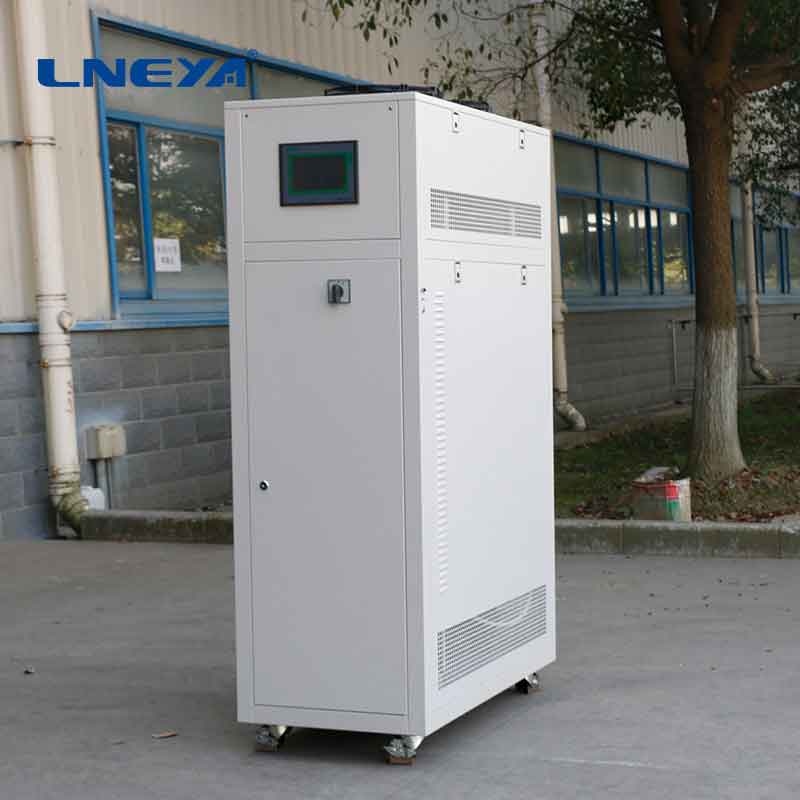
The semiconductor industry has seen remarkable growth in the chiller market over the past five years. Companies like Unisem, GST (Global Standard Technology), and SMC Corporation have been key players in this market, with their chiller systems being used for temperature control in semiconductor manufacturing processes.
Conclusion
Industrial chillers are integral to the functioning of various industries, providing reliable cooling solutions for optimal performance and efficiency. The market for industrial chillers is driven by technological advancements, energy efficiency, and environmental sustainability. As the market continues to grow, the focus on energy efficiency and the development of innovative technologies will remain a priority, driving the industry towards more sustainable and efficient cooling solutions.
This content is copyrighted by LNEYA. If there is any infringement, please contact email: Lilia@lneya.com
The prev: chiller for water coolingThe next: heat and cooling system
Related recommendations

compression chillers
521Compression Chillers: An In-Depth Analysis Definition of Compression ChillersCompression chillers are mechanical systems that use the vapor compression refrigeration cycle to transfer heat from...
View detailsspec chiller
328Defining Features of Spec ChillersSpec chillers are characterized by their adaptability to specific cooling demands. The core specifications that define these chillers include: Cooling Ca...
View details10 ton water cooled chiller
275vWorking PrinciplesThe working principle of a 10 ton water cooled chiller is consistent with the general refrigeration cycle of water cooled chillers but scaled to its specific capacity: ...
View detailscirculating cooler
662Circulating Cooler: Maintaining Constant Temperature in Industrial Processes Circulating coolers, also known as cooling water circulators, are crucial for regulating temperatures in a variety o...
View details




HelloPlease log in