 LNEYA Chiller

low consumption heater
Understanding Low Consumption Heaters
Definition of Low Consumption Heaters
Low consumption heaters are heating devices designed to operate with minimal energy use while maintaining efficiency. They are an essential part of the move towards more sustainable energy consumption, particularly in industries where heat is a significant energy end-use, accounting for about half of all energy consumption.
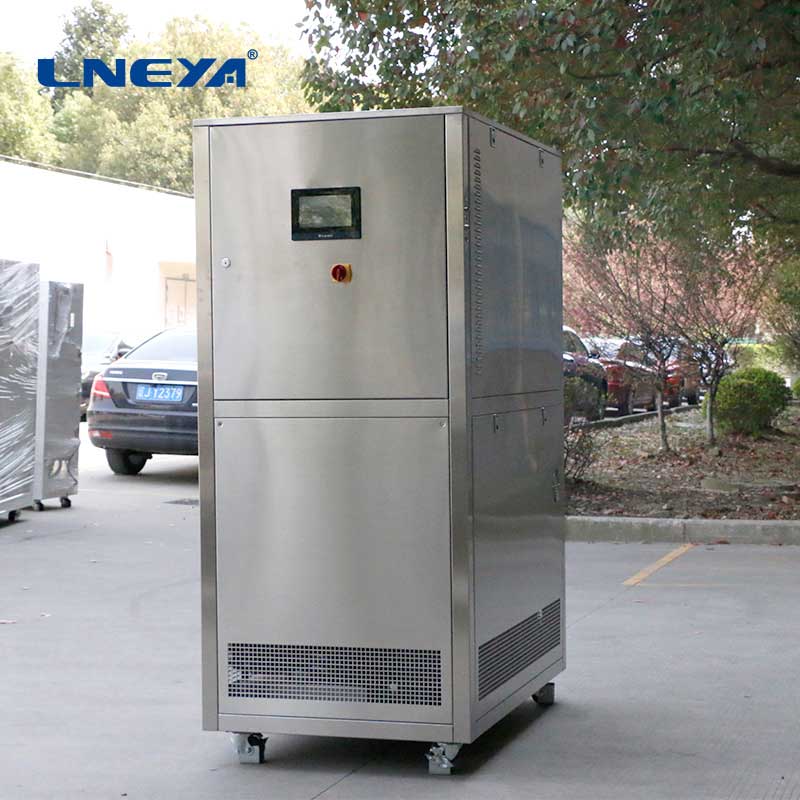
Technological Advancements in Low Consumption Heaters
Technological advancements have led to the development of heaters that consume less power while providing effective heating. For instance, microheater designs have been optimized to provide uniform thermal distribution with low power consumption. Materials like Nichrome alloy are used in the construction of micro heaters, which can achieve high temperatures with low voltage applications, resulting in ultra-low power consumption suitable for mobile applications and IoT systems.
Applications of Low Consumption Heaters
Low consumption heaters find applications in various sectors:
Industrial Processes: In industries, low consumption heaters are used to reduce energy usage in processes that require heat, thus lowering operational costs and environmental impact.
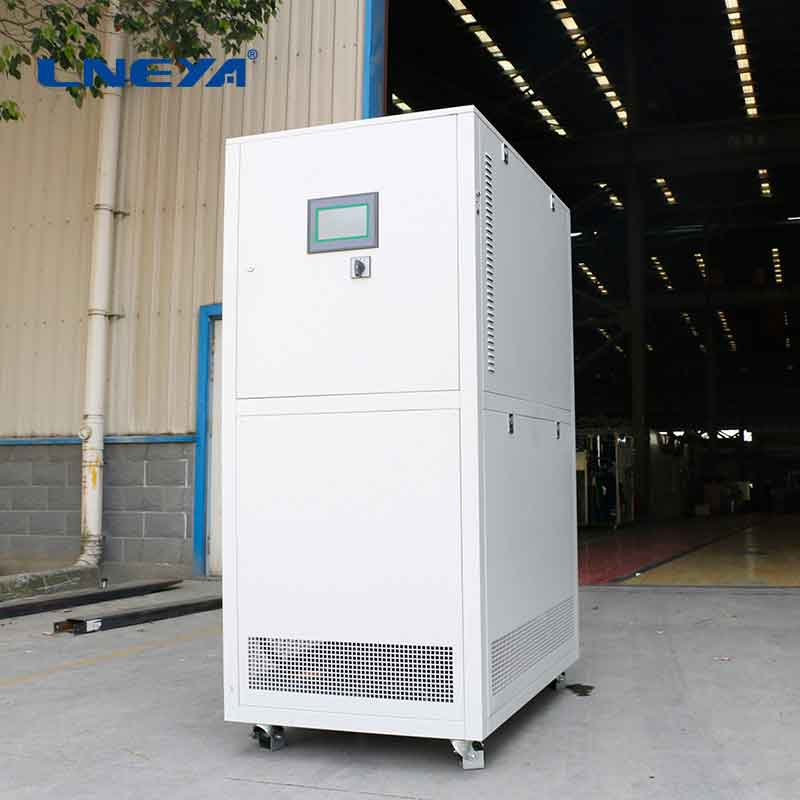
Buildings: For space and water heating, low consumption heaters offer a more energy-efficient alternative to traditional heating systems, contributing to energy savings and reduced emissions.
Gas Sensing and IoT Systems: Ultra-low power MEMS micro-heater devices are adapted for use in gas sensing and IoT systems, where precise temperature control with minimal power is required.
Market Trends and Environmental Benefits
The market for low consumption heaters is growing due to increasing awareness of energy conservation and the need to reduce carbon emissions. High power consumption is a common concern for industry owners, and the development of low power consumption heater technology has received increasing attention. The use of low consumption heaters can lead to significant energy savings and reduce carbon emissions, contributing to the transition towards a low-carbon economy.
Conclusion
Low consumption heaters play a vital role in reducing energy usage and carbon emissions across various applications. As technology continues to advance, the efficiency and capabilities of these heaters are expected to improve, further driving the adoption of sustainable heating solutions. The integration of low consumption heaters into industrial processes and building systems is a step towards achieving global energy and environmental goals, emphasizing the importance of continued research and development in this field.
This content is copyrighted by LNEYA. If there is any infringement, please contact email: Lilia@lneya.com
The prev: chiller supplierThe next: portable air chiller
Related recommendations

water cooled chiller maintenance
663Water-Cooled Chiller Maintenance: A Guide to Ensuring Efficiency and Longevity Water-cooled chillers are vital components in many industrial and commercial HVAC systems, providing essential coo...
View detailschiller 1kw
296IntroductionA chiller with a 1kW capacity is a compact yet essential cooling device that plays a crucial role in numerous applications where moderate cooling is required. The “1kW” in the context...
View detailsair cooled chiller water cooled chiller
697Air-Cooled Chiller vs. Water-Cooled Chiller: A Comprehensive Comparison Chillers are indispensable in maintaining comfortable temperatures in commercial buildings, industrial processes, and dat...
View details10 ton glycol chiller
537A 10-ton glycol chiller is a robust industrial refrigeration system capable of managing temperature control in a variety of applications. These chillers are specifically designed to circulate a mi...
View details




HelloPlease log in