 LNEYA Chiller

small chillers
Small Chillers: An Overview
Definition and Working Principle
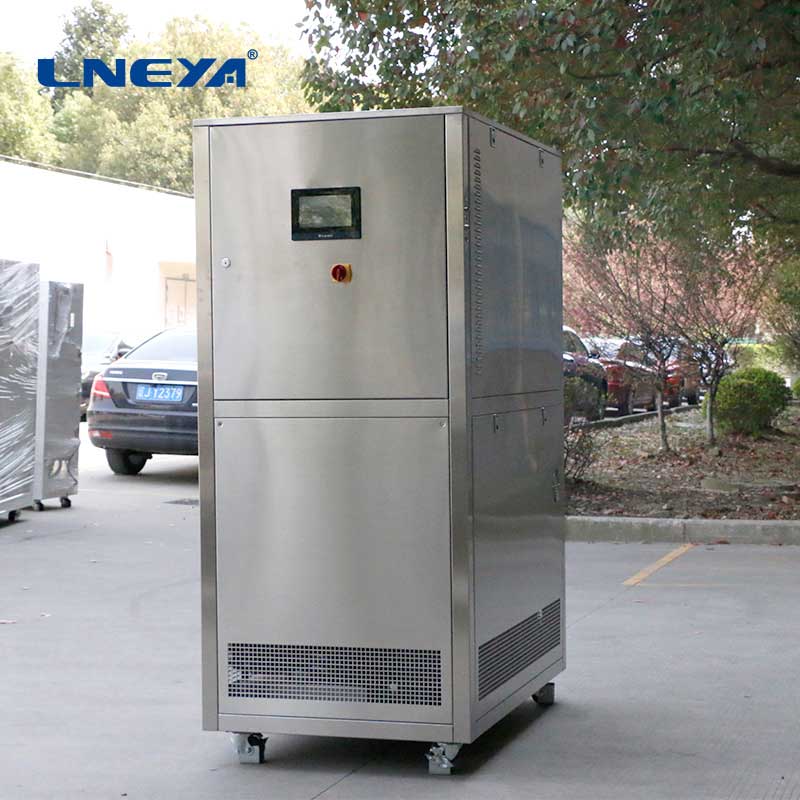
Small chillers are cooling systems that use mechanical vapor compression to transfer heat from a lower temperature reservoir to a higher one. They are designed to provide precise temperature control for various applications requiring cooling. The basic components of a small chiller include a compressor, condenser, evaporator, and expansion valve. The refrigeration cycle begins with a low-pressure refrigerant entering the evaporator, where it absorbs heat and evaporates. The gaseous refrigerant then enters the compressor, where its pressure is increased. The high-pressure refrigerant is sent to the condenser, where it releases heat, typically to a cooling tower or the surrounding air. Finally, the refrigerant passes through the expansion valve, which reduces its pressure and allows it to absorb heat again in the evaporator, completing the cycle.
Applications of Small Chillers
Small chillers are used in a variety of applications due to their flexibility and efficiency. They are commonly used in commercial buildings for air conditioning, in industrial processes for temperature control, and in data centers for cooling servers. Small chillers are also used in the food and beverage industry for refrigeration and freezing, in healthcare for medical equipment cooling, and in the chemical industry for process cooling.
Market Trends and Efficiency
The global market for chillers, including small chillers, is expected to grow at a CAGR of 4.7% from 2023 to 2031, reaching a value of US$ 7.1 Bn by 2031. The growth is driven by the increasing demand from the food and beverage industry and developments in the chemical and petrochemical industry. Small chillers are particularly attractive due to their energy efficiency and ability to be integrated with renewable energy sources, such as solar panels, making them a sustainable choice for cooling.
Efficiency and Environmental Impact
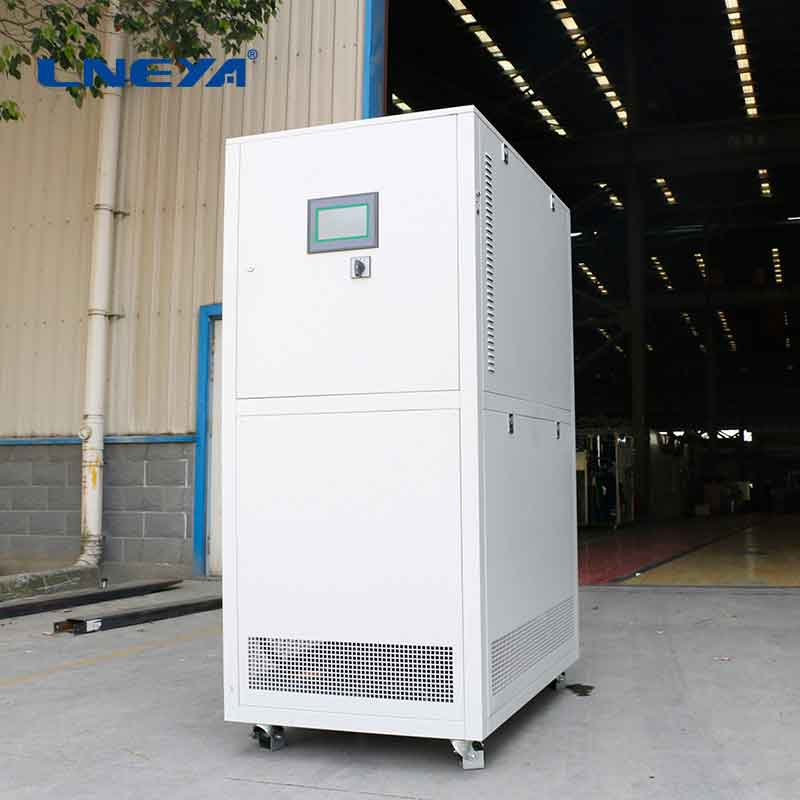
Small chillers are designed to be energy-efficient, with some models using variable speed drives for the compressors to match the horsepower consumed to the amount of refrigerant required. This feature allows for significant energy savings compared to constant speed motors. Additionally, small chillers can be backed up by gas-driven or diesel-driven generators, increasing their robustness during power outages. The environmental impact of small chillers can be reduced by using natural refrigerants with low global warming potential (GWP) and by integrating them with thermal energy storage systems to shift energy usage from peak to off-peak periods.
Comparison with Other Chillers
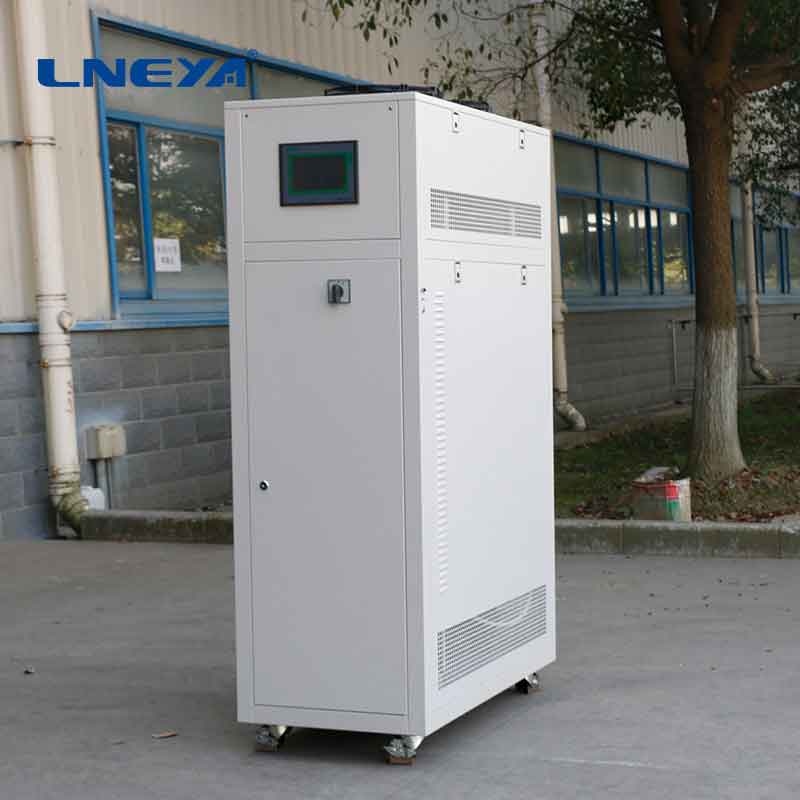
Small chillers are often compared to larger chillers in terms of efficiency and capacity. While larger chillers may be more efficient at full load, small chillers perform well at part-load conditions, making them suitable for applications with varying cooling demands. Small chillers also have the advantage of being more flexible in terms of installation and can be easily integrated into existing systems.
Conclusion
Small chillers are an essential component in the cooling industry, offering high efficiency, flexibility, and sustainability. As the market for chillers continues to grow, small chillers are expected to play a significant role, particularly in applications where precise temperature control and energy efficiency are paramount. Understanding the benefits and market trends of small chillers is crucial for industries seeking to optimize their cooling processes and reduce their environmental footprint.
This content is copyrighted by LNEYA. If there is any infringement, please contact email: Lilia@lneya.com
The prev: pro chillersThe next: chiller cool
Related recommendations

industrial cooling systems chillers
555Industrial Cooling Systems: The Role of Chillers Industrial cooling systems are an essential part of many manufacturing and processing facilities, where maintaining precise temperatures is crit...
View detailsrefrigerant chiller system
594Refrigerant Chiller Systems: Efficient Cooling for Diverse Applications Refrigerant chiller systems are critical components in many industries and commercial facilities where precise temperatur...
View detailsit cooling systems
538The Importance of IT Cooling SystemsInformation technology (IT) cooling systems are critical in the operation of data centers and server rooms. They maintain the optimal temperature and humidity l...
View detailsHow to deal with the cold water chiller compressor not running?
1356How to deal with the cold water chiller compressor not running? 1、 Electrical fault Starting the compressor of the cold water cooler requires the support of electrical signals. ...
View details




HelloPlease log in