 LNEYA Chiller

industrial inline water chiller
Industrial Inline Water Chillers: Precision Cooling for Industry
Industrial inline water chillers play a vital role in maintaining optimal temperatures in a wide array of industrial processes. These chillers are designed to cool water or water-glycol mixtures, ensuring efficient and precise temperature control. They are compact, efficient, and can be integrated into various systems to provide cooling where it is needed most.
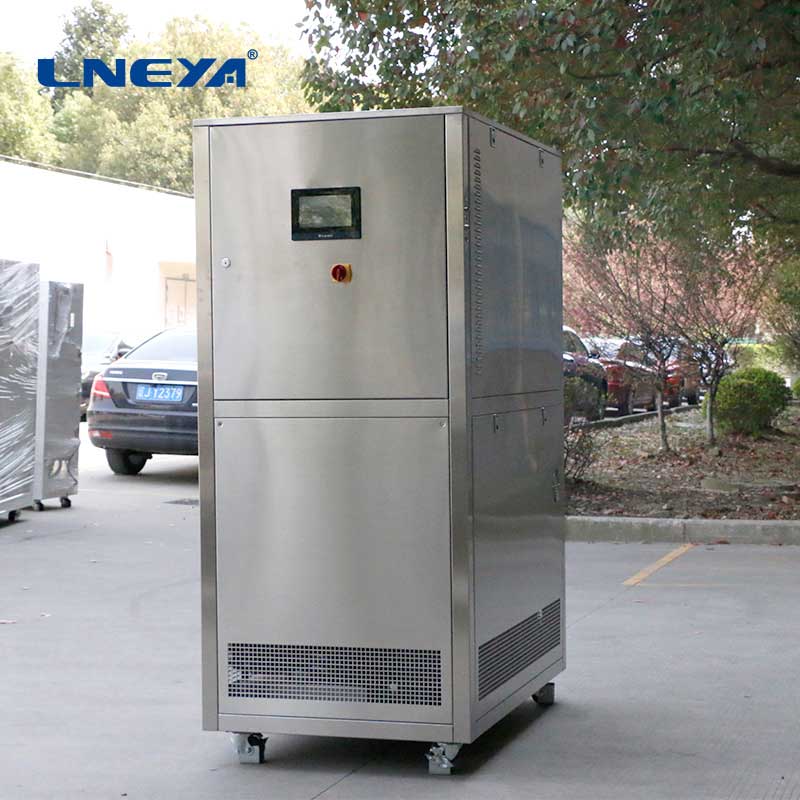
Applications of Industrial Inline Water Chillers
The applications of industrial inline water chillers span across multiple industries, including:
Machine Building: For cooling various machines and equipment.
Food and Beverage: To maintain optimal temperatures in processing and storage.
Chemicals and Petrochemicals: For temperature control in chemical reactions and processes.
Medical and Pharmaceutical: To ensure the stability and efficacy of medications and medical equipment.
Plastics and Automotive: For cooling molds and processes in plastic injection and automotive manufacturing.
Data Centers and Telecommunication Hubs: To cool servers and IT equipment.
Metalworking and Tooling Machines: For cooling machinery in metal fabrication processes.
Efficiency and Performance Optimization
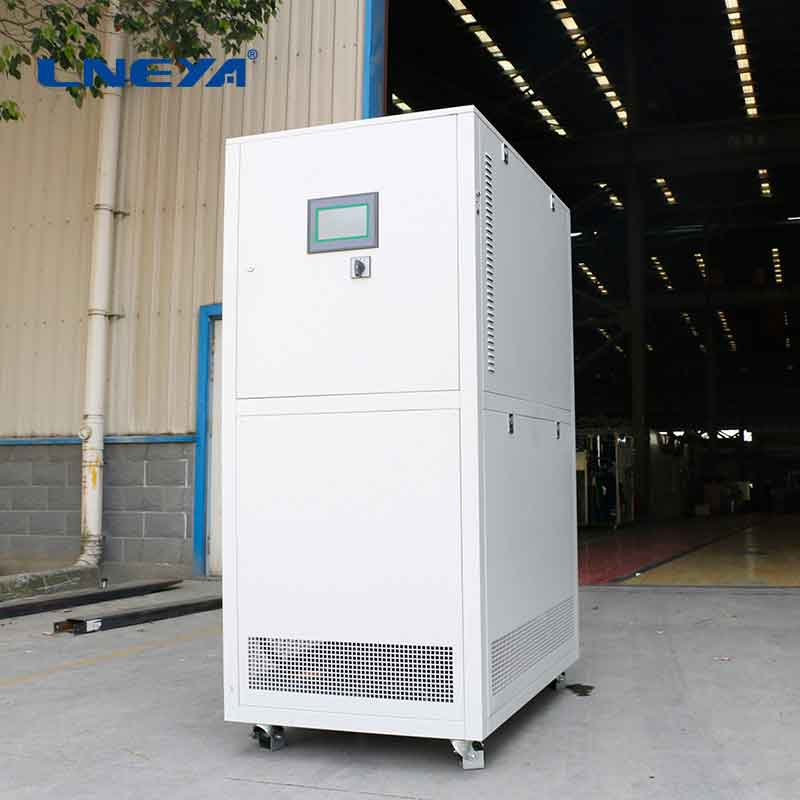
The efficiency of industrial inline water chillers is paramount, as it directly impacts operational costs and energy consumption. Advances in chiller technology have led to improvements in compressor technology, heat exchange efficiency, and the use of new refrigerants. These advancements contribute to higher energy efficiency and better performance.
Energy Efficiency and Sustainability
Energy efficiency is a key consideration in the design and operation of industrial chiller plants. Energy-efficient chiller systems, when combined with effective control measures, can reduce the kW/TR ratio, leading to better cooling results with significant energy and cost savings. Studies have shown that optimizing setpoints in the original control strategy can achieve an average global energy-saving rate of up to 8.5%.
Environmental Impact and Innovations
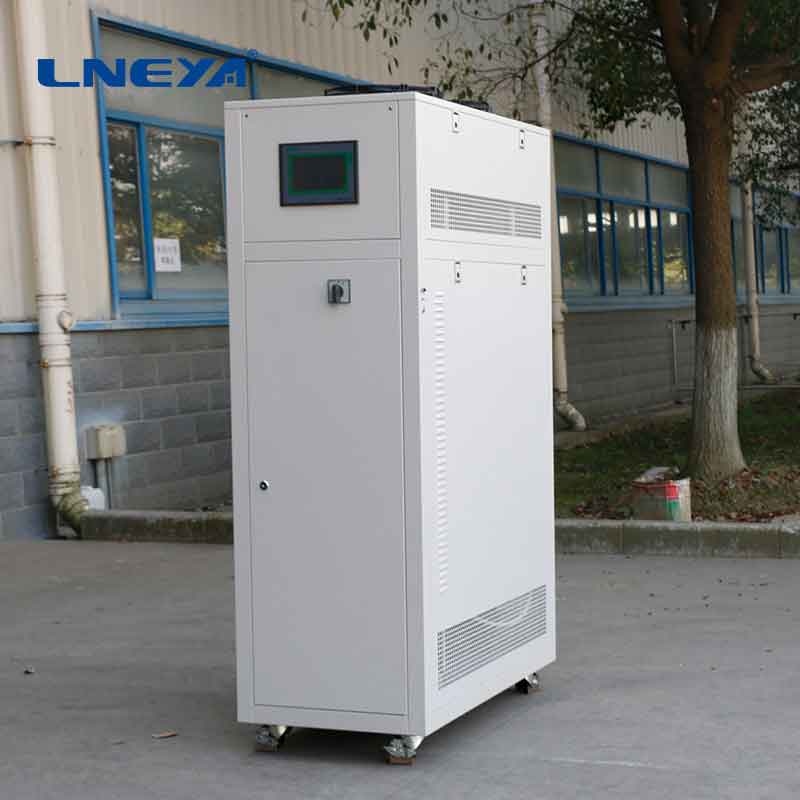
Industrial inline water chillers also have environmental implications. The choice of refrigerants and the technology used can significantly affect energy consumption and greenhouse gas emissions. Innovations in chiller technology, such as the use of Turbocor compressors and oil-free operation, are steps towards more sustainable cooling solutions.
Conclusion
Industrial inline water chillers are essential components in many industrial processes, providing precise temperature control in a compact and efficient package. As technology advances, these chillers are becoming more energy-efficient and environmentally friendly. Understanding their applications, optimizing their performance, and adopting sustainable practices are crucial for industries to maintain productivity while reducing their environmental impact.
This content is copyrighted by LNEYA. If there is any infringement, please contact email: Lilia@lneya.com
The prev: industrial chiller plantThe next: industrial process water chillers
Related recommendations

chiller for water cooling
497Chiller for Water Cooling: Efficiency, Technology, and Market Trends Water chiller machines are essential components in heating, ventilation, and air conditioning (HVAC) systems, enabling the c...
View details1 ton chiller
7921-Ton Chiller: Specifications, Applications, and Market Trends A 1-ton chiller is an essential piece of equipment in the HVAC industry, providing cooling capacities of approximately 12,000 BTUs...
View details50 ton water cooled chiller
421Understanding 50 Ton Water-Cooled Chillers: An In-Depth Analysis Introduction to 50 Ton Water-Cooled Chillers A 50-ton water-cooled chiller is a significant component in the HVAC industry, d...
View detailschiller unit manufacturers
449Chiller Unit Manufacturers: A Complete Guide Introduction Chiller units are essential for maintaining optimal temperatures in various applications, from industrial processes to HVAC systems....
View details




HelloPlease log in